Posted on

Top 10 Hidden Costs in CIF Shipping: Essential Guide for Import-Export Businesses

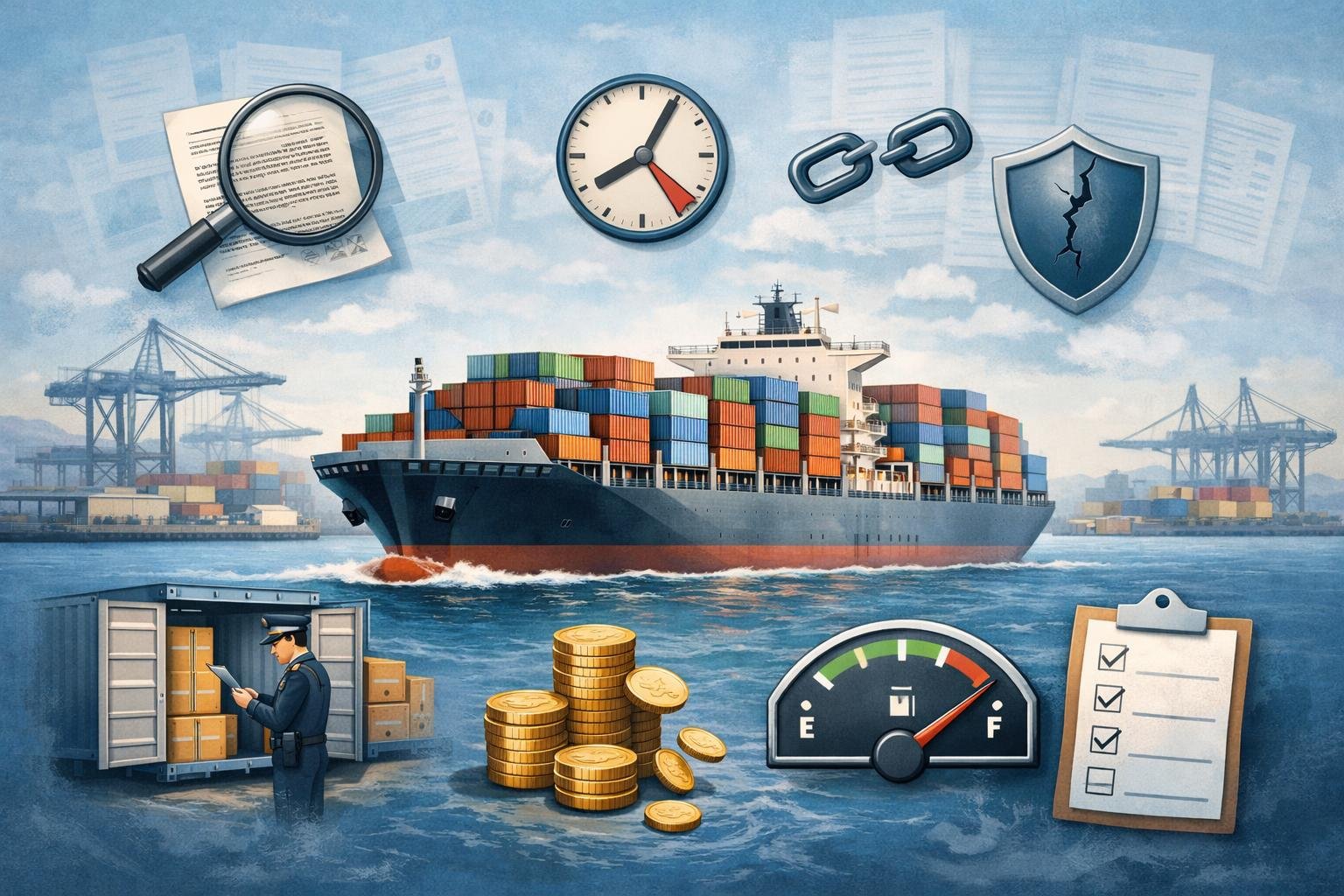
A cargo ship sailing with shipping containers, surrounded by icons representing hidden shipping costs like delays, insurance issues, customs inspection, fuel expenses, and paperwork at a busy port.

Hidden Costs in CIF Shipping catch a lot of import-export businesses off guard. CIF shipping looks simple: the seller pays for cost, insurance, and freight to get your goods to the destination port. But there are sneaky expenses buried in the process that buyers often don’t see coming until the invoice lands on their desk.

Understanding the hidden costs in CIF agreements is crucial. It helps you budget better and sidestep financial surprises during the import process.

With CIF terms, you’ll see charges beyond the initial shipping quote, and these hidden costs in CIF shipping can really change your total spending. Sometimes, they even make you question if the deal was worth it in the first place.

This guide dives into the unexpected expenses that pop up with CIF shipping. We’ll talk about demurrage penalties, insurance gaps, customs fees, terminal handling charges, and more. If you’re shipping under CIF, pay attention—these are the costs that can sneak up on you at the destination port.

Limited control over freight forwarder selection

Hidden costs in CIF shipping often start with freight forwarder selection. When you pick CIF terms, your supplier chooses the freight forwarder, not you.

You lose control over who handles your cargo. That’s a problem, because you can’t influence the quality of service or the speed of delivery. Suppliers usually go for the cheapest option to pad their margins.

Cheap rates often mean slow transit or poor customer service. And you’re stuck with their decision, even if you’d never have picked that company yourself.

The forwarder works for the seller, not you. Their loyalty lies with your supplier, so they won’t prioritize your needs.

If you use FOB instead of CIF, you get to choose your own freight forwarder. That means you know what you’re paying for and you can build relationships with reliable shipping partners.

There’s another headache: documentation and communication. You can’t call the forwarder directly. Every question or problem has to go through your supplier, which slows everything down.

Minimal insurance coverage often provided by sellers

Another hidden cost in CIF shipping comes from insurance. The seller provides insurance, but CIF Incoterms 2020 only require minimum coverage, usually under Institute Cargo Clauses C.

This basic insurance covers big disasters—think fire or a ship sinking. It doesn’t protect against more common problems like rough handling, water leaks, or theft.

If your goods get damaged in a way that’s not covered, you’re on the hook for those losses. The seller’s insurance just isn’t enough for most real-world risks.

They pay for the bare minimum marine insurance, but you’ll probably need more. If you want better protection, you have to buy extra coverage yourself. That’s an extra expense that surprises a lot of buyers.

Always check your CIF contract. See exactly what the insurance covers, then decide if you need to buy supplemental coverage to protect your goods.

Potential for demurrage charges due to delayed cargo pickup

Hidden costs in CIF shipping really show up with demurrage charges. Demurrage fees hit when your container stays in the port terminal past the allowed free days.

When your shipment lands, the shipping line gives you a short window—often just a few days—to clear customs and move your cargo. If you don’t pick up your container in time, the port charges you daily fees that add up fast.

One container delay can cost you $1,000 to $3,000, sometimes more. The base rate starts at $100 per day for the first few days, then jumps to $200–$400 per day after that.

Delays happen for all sorts of reasons: customs paperwork, missing documents, port congestion, or just bad luck. If you can’t track your shipment in real time, you might not even know there’s a problem until the charges pile up.

Unanticipated customs clearance fees at destination port

CIF shipping doesn’t cover customs clearance at your destination port. That’s on you, and it’s a big source of hidden costs in CIF shipping.

You’ll need a customs broker. Broker fees depend on your cargo’s value and complexity, and they’re rarely cheap.

Duties, taxes, and documentation fees all add up. Some products get hit with higher duty rates, and you’ll pay extra if the paperwork isn’t perfect.

If customs takes too long, storage charges start after a short free period—usually just a few days. Inspection fees pop up if your shipment gets flagged, and you never really know when that’ll happen.

It’s not unusual for importers to pay 15–25% more than the original shipping quote because of these hidden costs in CIF shipping. Always ask for a full breakdown of destination charges before you ship.

Risk transfer occurs only after goods pass ship’s rail

Here’s a tricky one: risk transfer. Under CIF, the risk moves from seller to buyer once the goods pass the ship’s rail at the port of shipment.

That means you’re responsible for the goods while they’re still in transit. Even though the seller pays for freight and insurance to your port, you carry the risk if there’s damage or a delay on the ocean.

Once your goods cross the ship’s rail, any problems are your problem. A lot of buyers assume the seller covers everything until delivery, but the buyer bears responsibility for issues during ocean freight.

Check the insurance policy the seller gives you. It might not actually match your risks. You may need to buy extra insurance to really protect yourself, and that’s another hidden cost in CIF shipping.

Additional inland transportation costs not included

CIF only gets your goods to the destination port. After that, you’re on your own for inland transportation.

You have to arrange and pay for trucking, rail, or whatever it takes to get your cargo to your warehouse or final destination. If your business is far from the port, these hidden costs in CIF shipping can be huge.

CIF shipping costs usually run 10–20% higher than FOB, but that extra only covers freight and insurance to the port. After that, the bills keep coming.

You’re also responsible for unloading fees at the destination port. The seller’s job is done when the goods arrive. You pay for unloading and every mile after that.

Don’t forget to budget for these inland costs. They can easily push your landed cost way above the CIF price you agreed to.

Possible higher freight costs due to seller’s route choice

Hidden costs in CIF shipping also show up in the route your goods take. The seller picks the shipping route and the carrier.

You don’t get a say, and sellers often choose based on their own deals or convenience. Sometimes that means longer routes or carriers with higher rates. You pay for it, whether or not it makes sense for your business.

Some routes go through congested ports or tough terrain, which drives up costs with longer transit times, tolls, and extra taxes. Sellers pass those costs straight to you.

Distance matters, but the specific route can make a big difference too. Sellers might stick with familiar carriers, skipping cheaper or faster options. You end up footing the bill for their choices.

This lack of control over the shipping route can add thousands to your total shipping costs. It’s one more reason to keep a close eye on hidden costs in CIF shipping.

Hidden Costs in CIF Shipping: Handling Fees at Destination Terminals

Hidden costs in CIF shipping often start with terminal handling charges at your destination port. These fees can add hundreds of dollars per container to your shipping bill.

They cover moving cargo from the ship to the warehouse or gate area. Even if your freight forwarder quotes a clean CIF rate, destination terminal handling charges usually appear as separate line items.

Different terminals charge different amounts for the same basic services. You’ll see several types of handling fees pop up.

Port authorities charge wharfage for using their space, and terminal operators tack on their own handling fees for moving your containers. Documentation fees cover paperwork processing at the terminal.

Port-level surcharges can add $200 to $500 or more per container to your final bill. Port congestion? That can trigger extra penalty charges, especially during busy periods.

Your Incoterms choice decides who pays these fees. Under CIF terms, you typically handle destination charges, so always get a full breakdown of all terminal fees before your shipment arrives.

Hidden Costs in CIF Shipping: Seller’s Insurance Gaps

Hidden costs in CIF shipping aren’t just about terminal fees. When you ship under CIF terms, the seller provides insurance coverage for your goods during transit, but there are some big limitations.

CIF only requires minimum insurance under Clause C of the Institute Cargo Clauses. That covers major disasters like fire or the ship sinking, but it leaves out a lot of common risks.

Your goods might not be insured for water damage from rain or seaspray. Theft, pilferage, and breakage often aren’t covered by the minimum insurance requirements.

Damage from rough handling or poor storage? Also likely excluded. The seller usually insures goods for 110% of their contract value, which covers the product but might not protect your full financial exposure.

You could lose out from delays, market changes, or extra shipping costs. Understanding policy exclusions is crucial—review the insurance certificate carefully and consider buying extra coverage if you spot gaps.

Hidden Costs in CIF Shipping: No Buyer Control Over Shipping Schedule

Hidden costs in CIF shipping also come from a lack of control over shipping schedules. When you use CIF terms, the seller decides all shipping details.

You can’t choose the vessel or departure date. The seller might book slower ships to save money, so your cargo could wait in port for days just to catch a cheaper sailing.

Inventory planning and sales timelines take the hit. If you need urgent shipments, you’re stuck with whatever schedule the seller picked.

The inflated carriage costs under CIF often lead sellers to pick routes that help their profit, not your delivery speed. Poor scheduling can cause warehouse headaches too.

Your receiving team might scramble if goods arrive early or rack up overtime if they’re late. This hands-off approach seems simple, but it takes away your ability to manage a crucial part of your supply chain.

Understanding CIF Shipping Agreements

CIF shipping agreements only apply to ocean and waterway transport. The seller pays for goods, insurance, and freight to your destination port.

Risk transfers to you once goods are loaded on the vessel, even though the seller still covers shipping costs. CIF stands for Cost, Insurance, and Freight, spelling out three main responsibilities for the seller.

These international trade terms define who pays for what during shipping. Under CIF, the seller covers the cost of goods, arranges shipping, and buys insurance for the journey to your port.

This only works for sea or inland waterway shipments. Here’s what the seller pays for:

  • Product costs
  • Freight charges to your destination port
  • Basic insurance during transit
  • Export customs and documentation

And here’s what you pay for:

  • Import duties and taxes
  • Unloading costs at your port
  • Transportation from port to final destination
  • Storage fees if needed

The tricky part? Costs and risk split at different times. You own the risk once goods are on the ship, but the seller keeps paying freight until delivery.

Parties Involved in CIF Transactions

You and the seller are the main parties in a CIF agreement. The seller does most of the upfront work, handling shipping arrangements and insurance.

The seller books cargo space, prepares export documents, and secures insurance. They work with freight forwarders and shipping companies to move your goods.

You take over once the cargo is loaded on the vessel. That means you handle any claims if damage occurs during the ocean voyage, even though the seller paid for insurance.

Other players include:

  • Freight forwarders who arrange transportation
  • Shipping lines that carry your cargo
  • Insurance companies providing coverage
  • Customs brokers at both ports

Your role gets bigger at the destination port. You clear customs, pay import fees, and arrange final delivery to your warehouse.

How Hidden Costs in CIF Shipping Affect Your Total Landed Cost

Hidden costs in CIF shipping can seriously inflate your total landed cost. These surprise expenses might add 20-30% to your initial shipping quote and make budgeting a guessing game.

Impact on Supply Chain Budgets

If you budget based only on the CIF quote, you’ll miss critical expenses that hit later. CIF shipping adds duties, insurance, and freight to your total landed cost, plus fees you probably didn’t factor in.

Storage fees at the destination port can run $75-150 per day if customs paperwork delays clearance. Demurrage charges show up if you don’t pick up containers on time.

Customs broker fees usually range from $50-200 per shipment. Currency swings can change your costs by 3-5% between the agreement and actual payment.

Don’t forget about handling charges, inspection fees, and compliance documentation costs. These hidden fees like customs brokerage and compliance expenses can eat into your profit margins and mess with your delivery schedules.

Negotiating Transparency in Contracts

Insist on specific language in your CIF contracts that lists every possible charge. Ask your freight forwarder for an itemized breakdown before signing anything.

Request a detailed cost sheet with terminal handling charges, documentation fees, and surcharges. Make the contract spell out who pays for storage after a certain number of days.

Get clarity on insurance coverage limits and deductibles. Choosing the wrong Incoterm can lead to hundreds of dollars in hidden charges that blow up your budget.

It’s wise to set caps on variable costs or require advance notice for new charges. Consider penalty clauses for incomplete cost disclosure in your agreements.

Frequently Asked Questions

Hidden costs in CIF shipping go way beyond the seller’s initial quote. You’ll see charges at your destination port and gaps in insurance coverage, so understanding these extras helps you budget and avoid nasty surprises.

What additional charges can be expected beyond the CIF price?

You’ll probably face demurrage fees if you don’t pick up cargo within the free time allowed at the port. Demurrage is a penalty charge imposed on buyers when you exceed your free time to clear and collect goods.

Storage fees at the destination port add up if customs clearance drags on. You’re also on the hook for unloading costs once the container hits the port.

Port handling charges and terminal fees fall on you as the buyer under CIF. These fees vary by location and can be much higher than you expect.

How do insurance and risk factors affect total CIF shipping costs?

The insurance coverage your seller provides usually covers only minimal risks during ocean transport. You might need to buy extra insurance to protect against damage, theft, or loss after the goods pass the ship’s rail.

Risk transfers to you once the goods are loaded on the shipping vessel, even though the seller pays for freight and insurance. You bear financial responsibility if anything happens to your cargo during or after the voyage.

Basic insurance often has gaps that leave you vulnerable. Review the insurance certificate closely to see what’s covered and what’s not.

What are the common undisclosed fees when dealing with CIF terms?

Customs broker fees aren’t included in the CIF price and can cost a few hundred dollars per shipment. You’ll usually need a licensed broker to clear your goods through customs.

Documentation fees for bills of lading and other paperwork add to your total costs. Inspection fees may pop up if customs officials need to check your shipment.

Quarantine or fumigation charges can surprise you for certain products. Currency conversion and bank charges for international payments also chip away at your bottom line.

Are import duties and taxes included in CIF pricing?

No, import duties and taxes are your responsibility. The CIF price only covers the goods, insurance, and freight to your destination port.

You must pay all customs duties, VAT, and other import taxes when clearing your goods. These charges depend on your shipment’s declared value and product classification.

The seller has no obligation under CIF terms to pay any import-related taxes or duties. Research your country’s import requirements and calculate these costs before ordering.

In what scenarios could CIF shipping end up being more costly for buyers?

CIF gets expensive fast if you have no control over the freight forwarder your seller picks. The seller might choose a carrier with high destination fees or poor service, causing delays.

When shipping, there’s a myriad of things that can go not as planned. If your seller books cargo on a slow vessel or one with multiple stops, your goods sit in port longer and rack up storage charges.

You’ll pay more if the minimal insurance your seller provides isn’t enough and you need to file claims or buy extra coverage. CIF also costs more when customs clearance issues pop up because you don’t have a say in shipping documentation prep.

What cost implications should buyers consider with CIF regarding destination port charges?

Hidden Costs in CIF Shipping can really catch buyers off guard. With CIF, you’re on the hook for all destination port charges, like container unloading, port storage, and terminal handling fees.

These charges shift a lot depending on the port, and honestly, they can blow past what you’d expect. Sometimes, it feels like every port has its own way of surprising you.

Port congestion can force your cargo to wait for a berth, which leads to detention charges on containers. And don’t forget—you’ll have to pay for moving containers from the terminal to your warehouse or distribution center, too.

Local port authorities might tack on security fees, wharfage charges, or infrastructure levies. If you don’t check your specific port’s fee structure before your shipment arrives, you could end up with a budget headache.

Posted on

Business Registration & Legal Information

Business Registration

Our Business Registration reflects our commitment to professionalism, compliance, and long-term stability. Fully registered and operating in accordance with international standards, we prioritize transparency, credibility, and trust. Clients and partners can work with us confidently, knowing our business foundation is secure, legitimate, and built for sustainable global growth.

Company Core Information

Item Details
Legal Company Name AEB Logistics
Chinese Name 青岛安柏物流有限公司
Unified Social Credit Code 91370200595265664M
Company Type Limited Liability Company
Legal Representative Liu Zhikui
Registered Capital RMB 5,000,000
Date of Establishment May 14, 2012
Registered Address Unit 301, Building 5, No.167 Hongkong Middle Road, Shinan District, Qingdao, Shandong, China
Business Scope NVOCC services, international freight forwarding, cargo handling, import and export of goods and technology

Official Business License Issued by the People’s Republic of China

The following business license is officially issued by the Chinese Administration for Market Regulation and certifies the legal establishment of AEB Logistics.

AEB Logistics Business License ChinaForeign Trade Operator Registration Certificate of AEB Logistics issued in China

Company Verification

AEB Logistics is a legally registered logistics company in China.
Visitors may verify the company registration through the official Chinese National Enterprise Credit Information Publicity System https://www.gsxt.gov.cn.

Industry Compliance & Business Activities

The company operates in compliance with Chinese regulations governing international freight forwarding and logistics services.

  • International Ocean Freight

  • Air Freight

  • Shipping from China

  • Cargo Consolidation

  • Import & Export Logistics Support

Operational Experience

Founded in 2012, AEB Logistics has over a decade of experience serving international trade routes, particularly between China and the United States.
The company provides freight forwarding and logistics coordination for manufacturers, exporters, and importers.

Entity Information Consistency

The company information provided on this website is consistent with official government registration records in China.

Posted on

Alan Fan | Founder & CEO, AEB Logistics | China to USA Shipping Expert

Alan Fan | Founder & CEO, AEB Logistics | China to USA Shipping Expert

Alan Fan is the Founder & CEO of AEB Logistics, specializing in China to USA shipping, ocean freight, air freight, and US customs clearance support for American importers.

With over two decades in global shipping, Alan Fan helps U.S. businesses navigate China to USA shipping with clarity, control, and confidence.


From Global Carrier Executive to Trusted China–USA Logistics Partner

For more than 20 years, Alan Fan has worked inside the global shipping industry, managing and optimizing international trade lanes — especially routes connecting China to the USA.

Before founding AEB Logistics in 2016, Alan spent over a decade as a Line Manager at CMA CGM, one of the world’s leading ocean carriers. There, he oversaw major trade routes including ocean freight from China to USA, Europe, Australia, and the Middle East. Prior to that, he held a similar leadership role at Mitsui O.S.K. Lines (MOL), managing shipping lines between China, North America, and Japan.

During those years, he gained an insider’s understanding of how international freight truly operates:

  • How carrier pricing works
  • Why container capacity fluctuates
  • What causes port congestion
  • How documentation errors affect US customs clearance
  • Where hidden logistics costs originate

And he saw a consistent pattern:

The businesses carrying the most risk were often small and mid-sized U.S. importers.


Why AEB Logistics Was Founded

In 2016, Alan established AEB Logistics in Qingdao, China — not simply to become another freight forwarder from China to USA, but to build a company focused on protecting importers.

He understood that importing from China to USA is more than booking cargo space.

It requires:

  • Coordination with Chinese factories
  • Accurate export documentation
  • Reliable ocean and air freight from China to USA
  • Careful compliance with U.S. import regulations
  • Proactive risk management before goods even leave China

AEB Logistics was built around one core idea:

U.S. importers deserve a reliable supply chain partner in China — not just a freight quote.


Seeing Both Sides of the Supply Chain

Operating on the ground in China allows Alan and his team to solve problems at the source:

  • Factory shipment delays
  • Incorrect HS codes
  • Incomplete export documents
  • Loading and container inspection issues

At the same time, his strategic focus remains on what matters most to U.S. clients:

  • Smooth US customs clearance
  • Avoiding demurrage and detention charges
  • Reducing total landed cost
  • Maintaining inventory flow
  • Protecting cash flow timing

This dual perspective — operational control in China and importer-focused strategy in the U.S. — defines AEB’s approach to China to USA shipping.


More Than Ocean Freight — Managing Total Landed Cost

Many companies compete purely on freight rates.

Alan believes the real challenge is controlling total landed cost when shipping from China to the United States.

Under his leadership, AEB Logistics supports:

  • Ocean freight China to USA
  • Air freight from China to USA
  • FCL and LCL shipments
  • Door-to-door solutions
  • Customs coordination and documentation review

But more importantly, the company focuses on preventing costly surprises that impact growing businesses.

Because in global trade:

The cheapest freight rate rarely equals the lowest total cost.


Supporting Growing U.S. Importers

Alan primarily works with:

  • E-commerce brands
  • Amazon sellers
  • Retail importers
  • Industrial distributors
  • Small and mid-sized businesses importing from China

Many do not have in-house logistics departments.
For them, AEB Logistics becomes an extension of their operations — a trusted supply chain partner in China managing shipments from origin to U.S. destination.


Leadership Built on Experience

Alan holds a Bachelor of Business Administration in International Business from Qingdao University. His leadership is shaped by:

  • Decades managing global shipping lines
  • Navigating freight market volatility
  • Adapting to tariff and trade policy changes
  • Managing capacity during supply chain crises

He has witnessed how quickly disruptions in China to USA freight can affect businesses — and how preparation makes the difference.


A Clear Mission

Alan’s mission is straightforward:

To make China to USA shipping predictable, transparent, and strategically managed for American importers.

Not just moving containers.

But helping businesses grow with confidence when sourcing from China.


Connect with Alan

If you are importing from China and looking for a reliable freight forwarder from China to USA who understands both carrier operations and importer challenges, Alan welcomes the conversation.

🔗 LinkedIn: https://www.linkedin.com/in/aebalanfan/

🌐 www.aeblogistics.com

Posted on

Shipping from China to USA Essential Customs Strategies

Shipping from China to USA Essential Customs Strategies

The customs landscape has become overwhelmingly complex for SMB importers. Duties have spiked, trade deals have been negotiated and re-negotiated, and border enforcement has tightened. Costs swing from one week to the next, making planning next to impossible, especially for those managing shipping from China to USA.

Recent volatility has been highly challenging for importers and customs brokers alike. However, the trade landscape is now showing signs of stabilization, which is a positive development for all U.S. businesses.

This guide provides essential insights and actionable strategies designed specifically for SMB importers. Whether you’re a first-time shipper or managing multiple lanes, you’ll find the customs rules, risk factors, and practical strategies you need. Let’s dive in.

Major Trade Update: Fentanyl and Reciprocal Tariffs Terminated; 10% Section 122 Duty Takes Effect

Following a landmark Supreme Court ruling on February 20, 2026, the U.S. government has officially terminated the controversial tariffs previously imposed under the International Emergency Economic Powers Act (IEEPA). As of February 24, these have been replaced by a broader, but currently lower-rate, Section 122 surcharge.

The Termination of IEEPA Tariffs

Effective February 24, 2026, the following tariff programs are no longer in effect:

  • Fentanyl-Trafficking Tariffs: The additional duties on China (10%), Mexico (25%), and Canada (35%) aimed at drug trafficking have been halted.
  • Global Reciprocal Tariffs: The variable “tit-for-tat” tariffs based on trade deficits have been invalidated and removed from CBP collection systems.

The New Reality: Section 122 Global Surcharge

To replace the lost revenue and maintain trade pressure, a new Section 122 duty has been implemented:

  • Official Rate: 10% (Despite social media threats of 15%, the current CBP implementation is 10%).
  • Scope: This is a global “balance-of-payments” surcharge applicable to nearly all imports.
  • Duration: This authority is limited to 150 days, expiring July 24, 2026, unless extended by Congress.

Duty Interaction & Strategy

Duty Type Status / Interaction with Section 122
Section 301 Remains Active. Section 122 duties are generally additive to 301 duties.
Section 232 Does Not Stack. If a product is already subject to Section 232 (Steel/Aluminum), Section 122 does not apply to the metal portion.
Non-Metallic Goods For products like copper/aluminum derivatives, the non-metal components may still trigger the 10% Section 122 duty.

The “150-Day” Outlook

The administration is expected to use this 150-day window to fast-track new Section 232 (National Security) or Section 301 (Unfair Trade) investigations. While these typically take up to a year, a “compressed” timeline of 1–3 months is highly likely for high-priority industries.

Importers should treat the July 24 deadline as a major volatility point.

Key Points

  • Current Tariff Landscape Overview: Tariffs from China to the U.S. are multi-layered, including original duties, Section 301 tariffs, and new tariffs, which significantly impact SMB import costs.
  • Global Tariffs Shift on August 7, 2025: The U.S. announced reciprocal tariffs on over 60 countries, with some rates approaching 90%, marking the highest tariffs since the 1930s, affecting international trade dynamics.
  • Impact on North American Trade with Canada and Mexico: USMCA-eligible goods remain duty-free, but non-compliant products face increased tariffs—25% for Mexico and 35% for Canada—adding costs to SMB supply chains.
  • End of De Minimis Exemption: Effective August 29, 2025, all imports, regardless of size, now require customs clearance and duties, requiring SMBs to adapt their shipping strategies.
  • Essential Customs Compliance and Cost-Management Strategies**: SMBs should focus on proper classification, valuation, and origin declaration, while exploring renegotiations, consolidations, and customs relief tools like FTZs and bonded warehouses to mitigate tariff impacts.

Understanding Today’s Tariff Landscape

First, an overview of where tariffs actually stand. Note: These tariff figures reflect conditions as of late August 2025. Tariff policies can change quickly, so always confirm current rates with your customs broker or a trusted partner like AEB Logistics.

China: A Multi-Layered Tariff Burden

China is a major player in SMB imports, and the volatility surrounding tariff from China to USA has presented a major strain. Current tariffs for imports from China to the U.S. stack up in layers:

  • Your product’s original duty rate (the “Column 1” duty from the tariff book)
  • Section 301 duties from the Trump era, ranging from 7.5–25%
  • A new 30% tariff, made up of a 10% reciprocal tariff and a 20% “fentanyl tariff”

It is a common misconception that rates are a flat 30%. In reality, importers must account for the original duty, plus 301 duties, plus the new 30%. While this is far lower than the 145% levels seen earlier this year, it remains a heavy burden for any business engaged in shipping from China to USA.

August 7 Global Tariffs: A Worldwide Shift

On August 7, 2025, the Trump administration announced reciprocal tariffs on more than 60 countries, pushing some duties close to 90% – the highest since the 1930s.

Here are some notable examples:

  • Switzerland: +39%, impacting watches, chocolate, and machinery
  • India: +50%, including penalties tied to Russian oil, affecting pharmaceuticals
  • Brazil: +50%

There was some good news: the EU, Japan, and South Korea secured lower 15% tariffs, while Vietnam and Indonesia saw reductions from 46% to 20%.

Canada and Mexico: Neighboring Nations, New Costs

North America has certainly not been spared in the trade wars:

  • Mexico: Goods that qualify under the USMCA trade agreement can still enter the U.S. duty-free. But if your product doesn’t meet USMCA rules of origin, a 25% tariff now applies. A 90-day extension was granted, but this only delayed further escalation – it didn’t remove the 25% duty on non-USMCA goods.
  • Canada: Goods that qualify under USMCA can still move duty-free, but anything that doesn’t meet USMCA rules of origin now faces a 35% tariff. On top of that, sector-specific rates apply: 50% on steel, aluminum, and copper, and 25% on vehicles.

These higher rates have put extra pressure on SMB importers given how closely integrated U.S. and Canadian supply chains are.

The De Minimis Era Ends

Another major change impacting shipping from China to USA and elsewhere is the end of the de minimis exemption, which previously allowed shipments under $800 to enter the U.S. duty-free. As of August 29, 2025, all imports, no matter how small, must go through customs and are subject to duties and fees.

For SMBs, especially e-commerce sellers that relied on sending large volumes of small parcels, this is a significant shift. Businesses must now shift their supply chain strategy and make adjustments, from consolidating shipments to exploring bonded warehouses or FTZs to manage costs and paperwork.

The Compliance Basics Every SMB Must Know

Customs compliance can feel complicated, but it boils down to three pillars. Getting these right is the first line of defense against penalties and delays.

Classification

Getting your product’s HS code right is the first pillar of compliance. Your HS code determines not only the duty rate but also whether special tariffs apply – and unfortunately, a single misclassification can completely change what you owe. For SMBs, this means taking extra care – don’t rely on the number your supplier suggests. Work with your customs broker or your AEB Logistics representative to double-check.

Valuation

Making sure invoices reflect the true price of your goods is another key component of compliance. Duties and tariffs are calculated on this declared value, so inaccuracies can lead to paying more later, or facing penalties if customs reviews your entry. Splitting invoices to show artificially low values is an especially risky practice. Even if a supplier offers this as a shortcut, the responsibility falls on you as the importer to ensure the declared value is correct.

Origin

Finally, your country of origin must be declared accurately, which is more complex than it sounds. If a product is assembled in one country but most of its parts come from another, figuring out where it was “made” depends on whether it underwent a substantial transformation. Importers cannot just take their supplier’s word for it; it is critical to know and understand their supply chain to ensure the declared country of origin is correct.

One growing concern is transshipment fraud, which means moving goods through a third country and falsely declaring origin. If companies are found to be fraudulently transshipping goods, not only will duties apply, but there’s an extra 40% tariff plus penalties – and potentially criminal liability.

The Challenges SMB Importers Face

The tariff environment hasn’t just raised costs – it has added layers of unpredictability that are especially tough for SMBs. With significant strain from these rapid tariff changes, smaller businesses lack the resources to predict or absorb these costs. That reality is showing up across supply chains, where SMBs are being hit on multiple fronts:

  • Cost Uncertainty: Tariffs can change overnight, leaving importers with unexpected bills that throw off pricing, margins, and cash flow projections. Planning becomes extremely difficult when duty rates shift without warning.
  • Supplier Viability: A sudden tariff spike can make some vendors uncompetitive, forcing SMBs to scramble for alternatives. That can mean rushing to qualify new suppliers or paying more to keep existing relationships going.
  • Cash Flow Strain: Higher upfront duties tie up working capital that smaller businesses can’t easily spare. With limited flexibility, many SMBs find themselves choosing between paying duties and investing in the business.
  • Border Delays: Enforcement has intensified, especially on the Canadian and Mexican borders. More inspections mean longer waits, disrupting timelines and adding uncertainty to already fragile supply chains.

Strategies to Reduce the Impact of Tariffs

Despite these challenges, SMBs have tools and strategies to manage costs. Here are key tips for navigating this new reality:

Renegotiate with Suppliers

Tariffs have put pressure on suppliers too, and many are more flexible than they used to be. Higher customs costs have opened up space for honest conversations about product costs. Suppliers are often more willing to negotiate now than ever. Do not be afraid to ask questions about product components and renegotiate prices.

For SMBs, that means asking detailed questions: Where are the parts sourced? Was the product substantially transformed in the country of assembly? Are there alternative materials or production methods that would lower duty exposure? Even small changes can make a difference.

Adjust Your Shipping Strategy

There are several levers SMBs can pull to ease the cost burden of tariffs.

  • Consolidation: Combine multiple small shipments into a single larger one to reduce per-unit shipping and handling costs. This is crucial now that the de minimis exemption is gone.
  • Modal Shift: Shift to ocean freight instead of air whenever timelines allow, as the price difference can be dramatic, helping to offset some tariff costs.
  • Review Incoterms: It’s also worth revisiting your incoterms – with caution. Delivered Duty Paid (DDP) can sometimes be helpful because it gives you one clear, upfront price, but it can expose you to hidden risks if your supplier is under-declaring values. If a price seems too good to be true, it most likely is. Partnering with a shipping from China to USA expert like AEB Logistics can help you navigate these decisions.

Use Customs Cost-Saving Tools

Beyond shipping adjustments, SMBs can also tap into customs programs designed to ease the duty burden. Three effective relief tools for SMBs include:

  • Duty Drawbacks: If you import goods and later re-export them, you can apply for a refund of the duties you originally paid. Billions of dollars in these refunds go unclaimed every year, often because SMBs don’t know they exist or assume the process is too complex. Working with a broker or trade professional can make drawback claims more manageable.
  • Free Trade Zones (FTZs): These are designated areas within the U.S. where goods can be stored, assembled, or processed without paying duties right away. The main advantage is that FTZs let you lock in the duty rate at the time goods enter the zone, even if tariffs rise later.
  • Bonded Warehouses: Unlike FTZs, bonded warehouses don’t lock in today’s duty rate, but they do let you delay paying duties until the goods leave the warehouse. This can be valuable for SMBs managing cash flow, since you only pay when the product is actually sold or shipped out.

In short: duty drawbacks can help you recover money you already paid, FTZs help you protect against tariff increases, and bonded warehouses help you ease cash flow by deferring duty payments.

Decide on Frontloading vs. Waiting

A common dilemma for SMBs is whether to import extra inventory now to secure current rates, or wait and see in case tariffs fall. The decision requires weighing risk tolerance and resources carefully. Frontloading makes sense when tariff increases are likely or scheduled, or when your products are particularly vulnerable to supply chain disruptions. On the other hand, if demand is uncertain or cash flow is tight, waiting may be the smarter choice.

Working Effectively with a Customs Broker to Manage Tariffs

A critical piece of advice is to engage with your customs broker early.

Classification, valuation, and origin are research projects, not something done on the fly once a shipment is moving. More investment of effort up front can save you hassles and extra costs.

To get the most value from your broker, and by extension, your logistics partner like AEB Logistics:

  • Provide detailed product descriptions and supplier information
  • Engage before goods are shipped
  • Remember that brokers can help you minimize risks if you bring them into the process early

The concept of “reasonable care” in customs means an importer should be able to demonstrate they asked the right questions and made a diligent effort to comply.

What’s Ahead for Tariffs and Customs for SMB Importers?

The era of super cheap imports is over. However, the current stability in the trade landscape is a positive development. The worst part for many businesses was the constant unknown.

The tariff environment isn’t going back to the days of frictionless, cheap imports. But while risks remain with Canada, Mexico, and potential future escalations with China, importers can take comfort in the fact that the trade landscape is no longer shifting daily. For SMBs, that stability – combined with smart strategies and the right partners—offers a clearer path forward.

SMB Customs Action Checklist

Here’s a practical checklist to keep on hand:

Engage with a customs broker or AEB Logistics early
Review your HS codes for accuracy
Audit invoices for accurate valuation
Confirm country-of-origin claims with suppliers
Renegotiate contracts where possible
Consolidate shipments to save costs
Explore FTZs, bonded warehouses, and duty drawbacks

FAQs

What are the current tariff considerations for shipping from China to the USA?

Tariffs from China to the USA include original duties, Section 301 tariffs, and additional new tariffs, which collectively increase costs for SMB importers. These tariffs are layered and can significantly impact the total duty payable.

How do recent global tariff changes affect international trade?

Effective August 7, 2025, reciprocal tariffs on over 60 countries have reached levels approaching 90%, the highest since the 1930s, creating increased costs and trade challenges worldwide.

What is the impact of tariffs on North American trade with Canada and Mexico?

Goods meeting USMCA rules are duty-free, but non-compliant products face increased tariffs—25% for Mexico and 35% for Canada—adding extra costs to supply chains.

What does the end of the de minimis exemption mean for SMBs?

Starting August 29, 2025, all imports must undergo customs clearance and pay duties regardless of size, requiring SMBs to adjust their shipping strategies, such as consolidating shipments or using bonded warehouses.

What are some essential strategies for SMBs to manage customs compliance and tariffs?

SMBs should focus on accurate product classification, valuation, and origin declaration, while exploring renegotiations, shipment consolidations, and utilizing customs relief programs like FTZs and bonded warehouses to mitigate costs.

Posted on

Get a Quote for Your Shipment at AEB Logistics

AEB quote

For an AEB Quote Proposal, simply submit a form at your AEB dashboard. Your AEB account manager will work on your request and inform you once a quote is ready.

Or you may email us at [email protected] with shipment details as follows. A ticket will be created for your AEB account manager to send quote to you. Please as well check your spam folder as in some cases emails from [email protected] may be put to spam.

  1. Origin
  2. Destination
  3. Freight incoterms – FOB or EXW
  4. Cargo HS code and cargo value for an estimation on import duties and taxes
  5. Box count/cbm/kgs
  6. Estimated date of cargo readiness at origin
  7. Optional/Comments: Please share target price for streamlined quoting, reaching satisfactory shipping solution for both parties.
Posted on

Can I track my shipment?

track my shipment

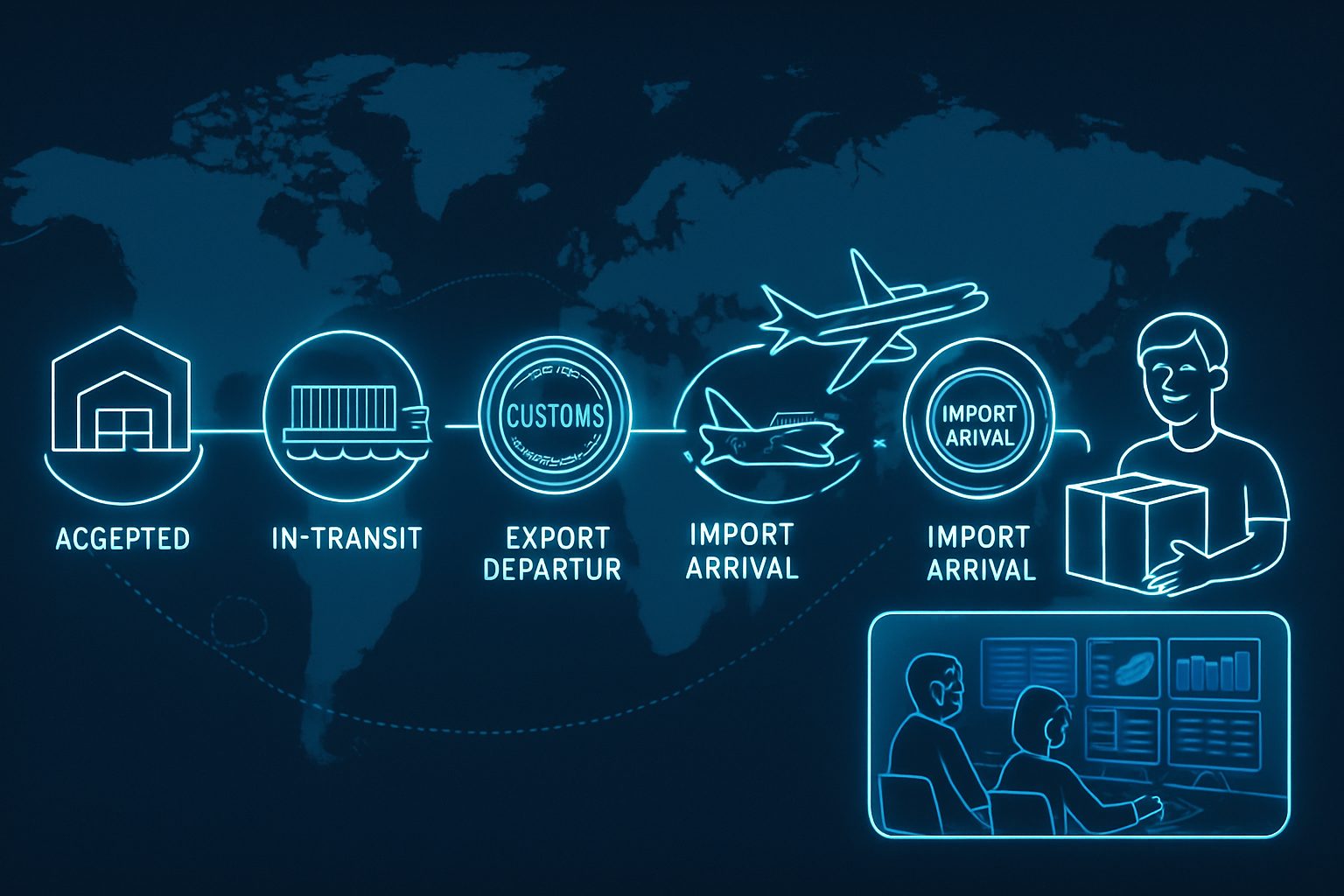
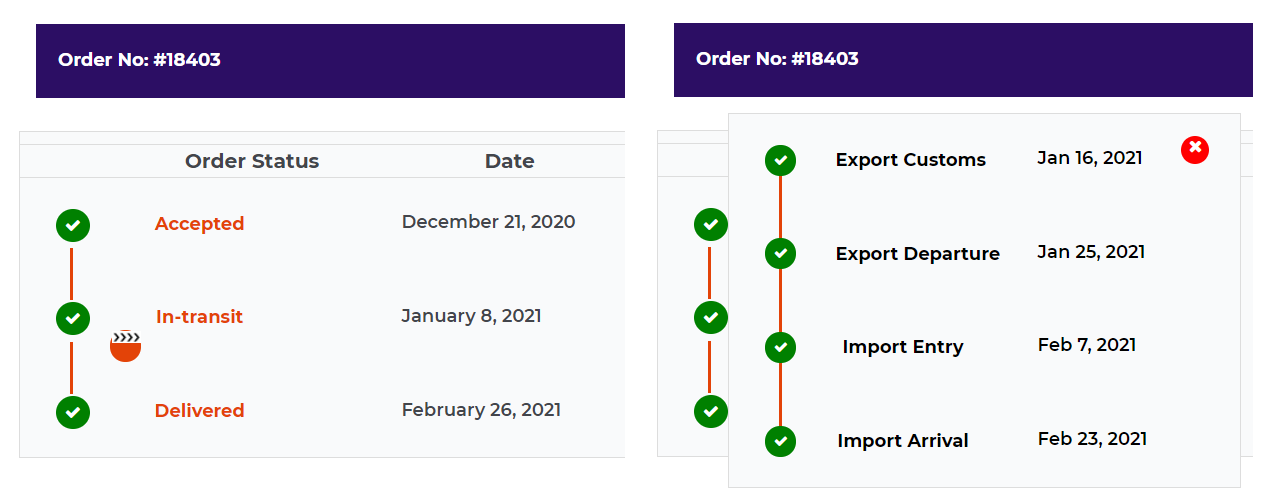
Can I track my shipment? For sure you can! There are 3 key milestones:

  • Accepted: Your order is accepted by AEB Logistics who will be in contacts with you and your supplier. Once shipment at origin is picked up by AEB – EXW/Ex-work – or delivered by supplier to AEB warehouse – FOB, order status becomes in-transit.
  • In-transit: AEB receives your shipment at origin! Once a ship or plane is booked as early as possible by AEB, an estimated date of delivery to you shall be available. There are more updates as shipment is in transit!
  1. Export Customs: When export customs declaration is completed in origin country.
  2. Export Departure: When shipment leaves from origin country.
  3. Import Entry: When import entry is completed in destination country.
  4. Import Arrival: When shipment arrives in destination country.
  • Delivered: While your shipment is still on the way, an estimated date of delivery to you shall be available. Dedicated team of AEB Logistics keep eyes on daily developments & updating estimated delivery date if needed till you have your shipment in hands physically!

These updates are made on daily basis by a dedicated team. For additional updates, you can send a message to your AEB account manager or chat on line.

track my shipment

Posted on

Top Qualities of Leading Forwarders

Top Qualities of Leading Forwarders

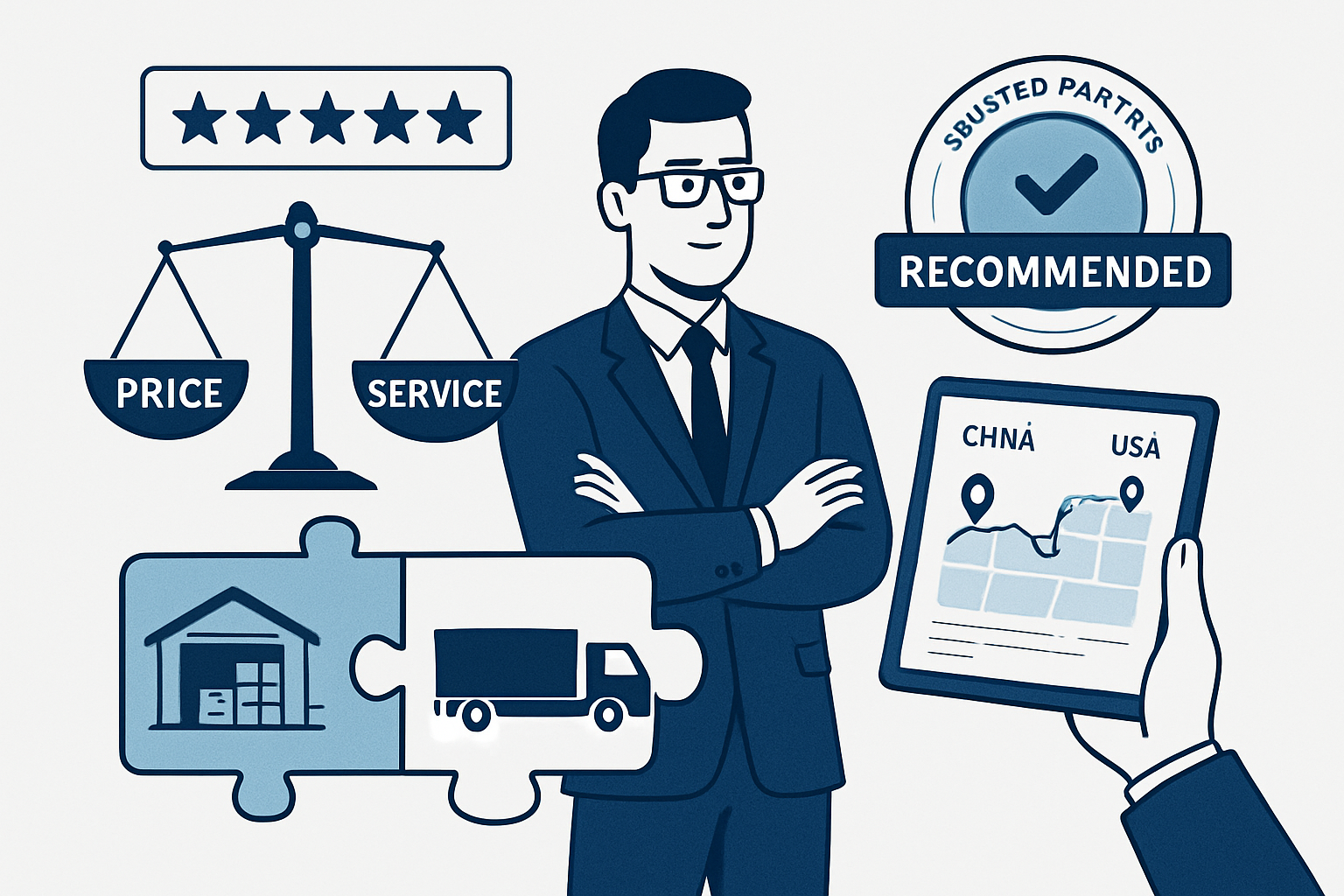
The best forwarders share certain qualities that set them apart in the logistics industry. While individual preferences may vary based on specific needs, here are some characteristics often associated with top-tier forwarders.

Key Points

  • Price Competitiveness: Top forwarders generally have similar pricing due to transparency, but businesses should avoid smaller providers with suspiciously low charges for local services.
  • Importance of Service Quality: Responsive and reliable service is crucial, as the ability to fulfill commitments impacts overall satisfaction, often more than cost.
  • Recommendations as a Trust Indicator: Endorsements from industry peers or other businesses can help identify reputable forwarders with proven track records.
  • Flexibility and Service Range: Leading forwarders can adapt to changing needs and offer additional services like warehousing and trucking through a broad network or 3PL providers.
  • Leveraging Technology: Innovative logistics companies utilize technology to reduce costs, automate processes, and provide real-time updates, enhancing efficiency and transparency.

Of course PRICE

This is a given, but you actually will find that prices among the biggest forwarders will not vary a lot as pricing is relatively transparent for your volume. Here I would steer clear of the smaller forwarders that do quote ridiculous prices for local trucking or warehousing in China.

SERVICE

Responses and service level is critical. It doesn’t seem like it when you are just concerned with price but the saying goes – “you get what you pay for” does in some ways apply. Make sure the company you work with can do what they say they can do.

RECOMMENDATIONS

Obviously, if you do find a recommendation from someone in the industry or another business that has used their service.

FLEXIBILITY

For majority of your shipments, it may be smooth and simple however that will be times that you need a forwarder to be flexible or be able to provide other services. This is when a 3PL (Third Party Logistics Provider) may be of more use. They will have a large enough network to help you with warehousing, trucking, final delivery whereas a forwarder will only be able to assist with your freight.

TECHNOLOGY

Technology is critical, it means the forwarder or 3PL you are working with is forward thinking. It also means they are lowering transaction costs and trying to automate parts of shipping. This in turn means cost savings that can be passed back to you as a client. Also provides you with more timely updates and systems and processes that are clear and precise.

BUT this is nearly non-existent in logistics, so if you find one that does implement this then stick with them!

EXECUTION

Their ability to execute. This of course you will only know after they have executed. But in general from their size, experience and other clients you can gauge their ability to execute.

KNOWLEDGE OF CUSTOMS, TAXES, REGULATIONS

Especially if you are doing international cargo and shipments. Customs is something that is very unpredictable. It may not be in the hands of your forwarder but their knowledge in these areas is something you have to rely on. So if they show this then is it definitely an advantage.

ABILITY TO HELP YOU GROW

You definitely want to grow your business, last thing you want is to babysit a shipper. So if you can see that they can provide all the services that you need NOT just today but also TOMORROW, then this is a big consideration. As your business will not stay as it is today.

Posted on

Join AEB Logistics’ Referral Program for Rewards!

Referral Program

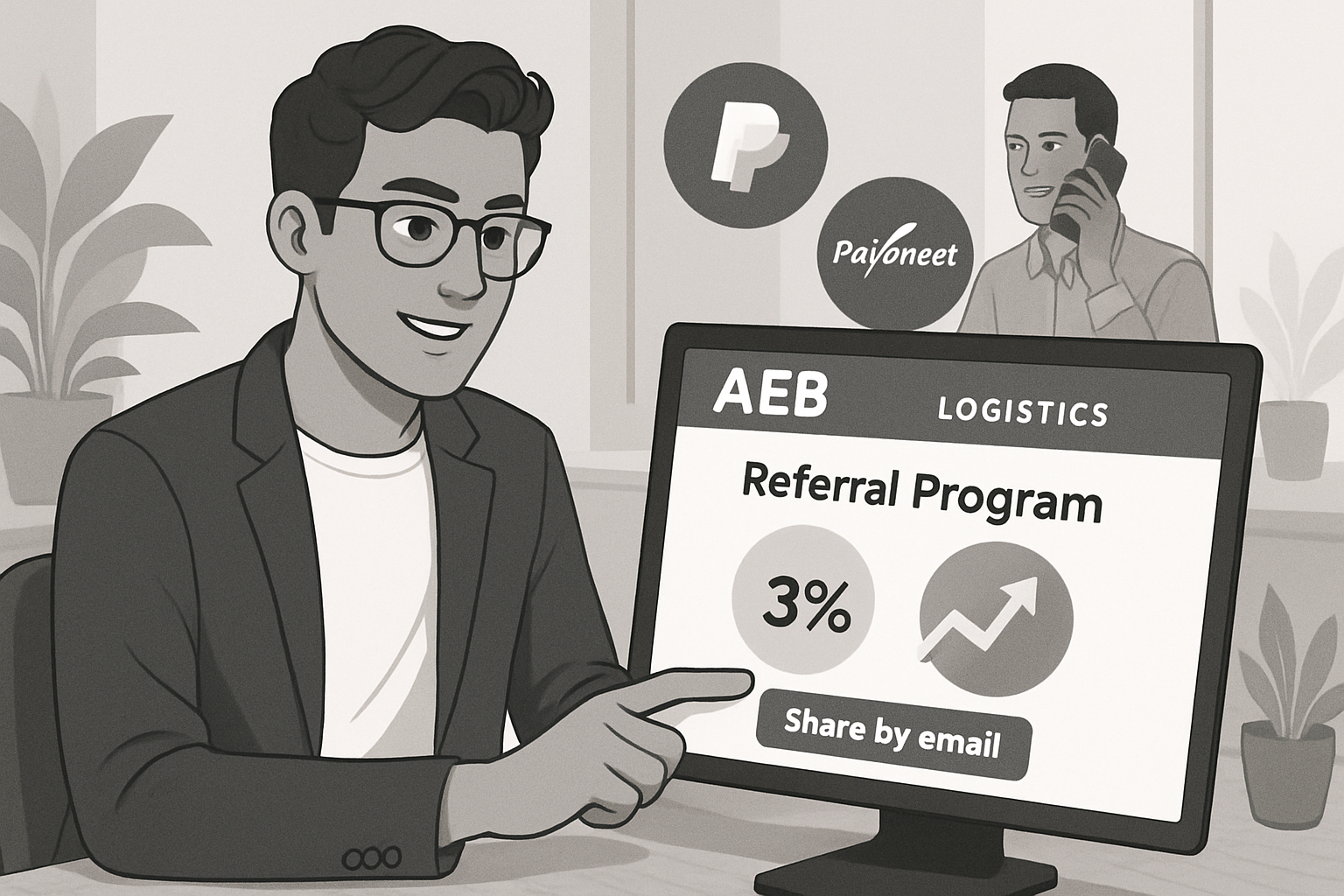
To participate in AEB Logistics’ referral program, simply visit your AEB dashboard at Referral Program and click on the “Share by email” button. After entering your friend’s email address, they will receive an email notification, and your account manager at AEB Logistics will also be informed.

The email sent to your friend will include your name, the name of your account manager at AEB Logistics, contact information for AEB Logistics, and a link to email you for further details.

Furthermore, your AEB account manager will personally reach out to your referred contact to explore potential business opportunities.

Once your referral makes a payment, you will be rewarded with a commission of 3% of the invoice amount, which will be transferred to you via PayPal or Payoneer. Congratulations on your successful referral!

AEB Logistics Referral: Earn 3% Commission! – AEB Logistics