Posted on

Shipping to Amazon FBA: Step-by-Step Guide for Sellers

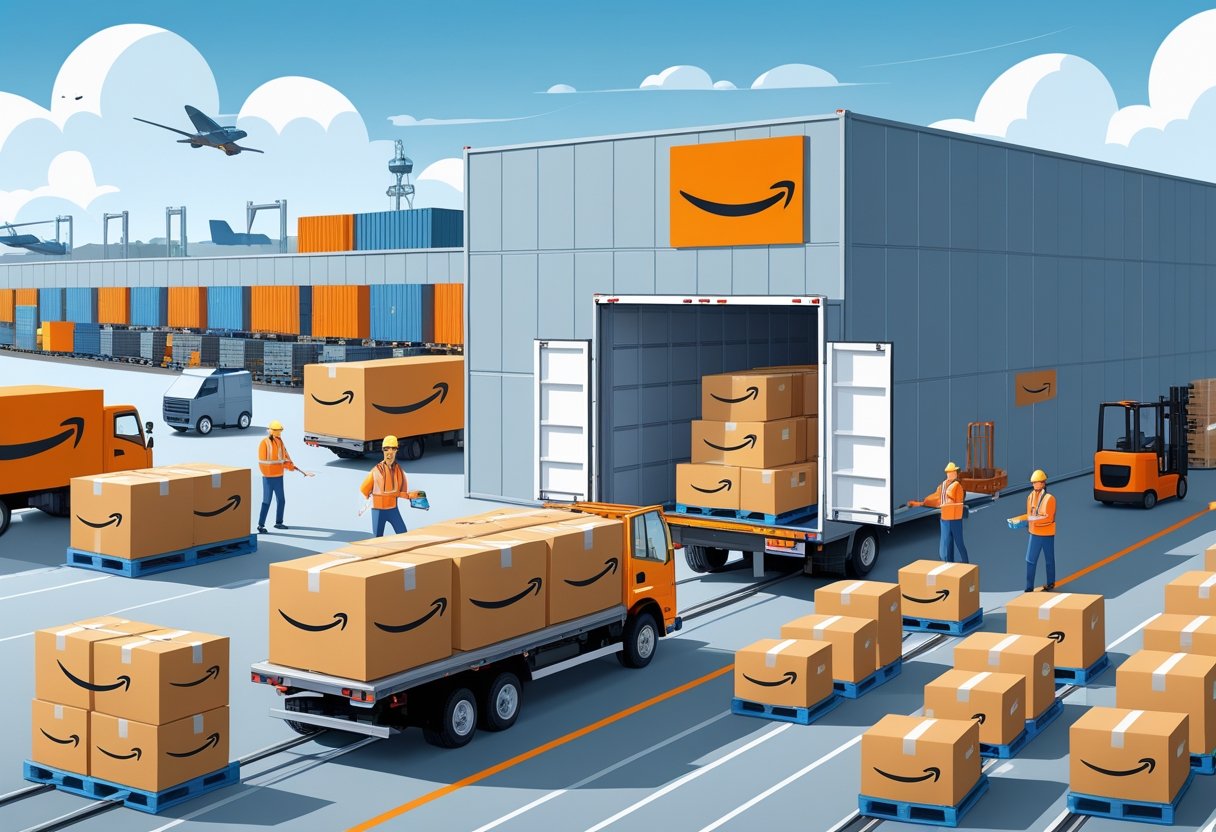
A delivery truck being loaded with boxes outside a large warehouse, with workers organizing shipments and forklifts moving pallets in a busy logistics hub.

Shipping to Amazon FBA can look complicated at first, but once you break it down, it’s honestly manageable. Fulfillment by Amazon (FBA) lets you send your products to Amazon’s warehouses, where they handle storage, packing, shipping, and customer service for you.

This means you can focus on building your business while Amazon takes care of the order fulfillment headaches.

The key to successful Shipping to Amazon FBA is all about prepping your products right and sticking to Amazon’s requirements. You’ll need to create shipping plans, package your inventory properly, and pick the best shipping method for your budget.

Amazon’s “Send to Amazon” workflow now makes this process easier by cutting down the number of steps needed to create shipments.

Shipping costs make a big difference to your bottom line. Sellers typically pay around $0.25-$0.30 per pound to ship products to Amazon warehouses, but these numbers shift depending on weight, size, and where you’re sending stuff.

Amazon’s new placement fees can also have a big impact on your shipping expenses, so keep an eye on those.

Key Takeaways for Shipping to Amazon FBA

  • Amazon FBA handles storage, packing, and shipping of your products once they reach their warehouses
  • Proper product preparation and following Amazon’s labeling requirements prevents shipment delays and rejections
  • Shipping costs average $0.25-$0.30 per pound but vary based on size, weight, and new placement fees

Understanding Amazon FBA and Its Benefits for Shipping to Amazon FBA
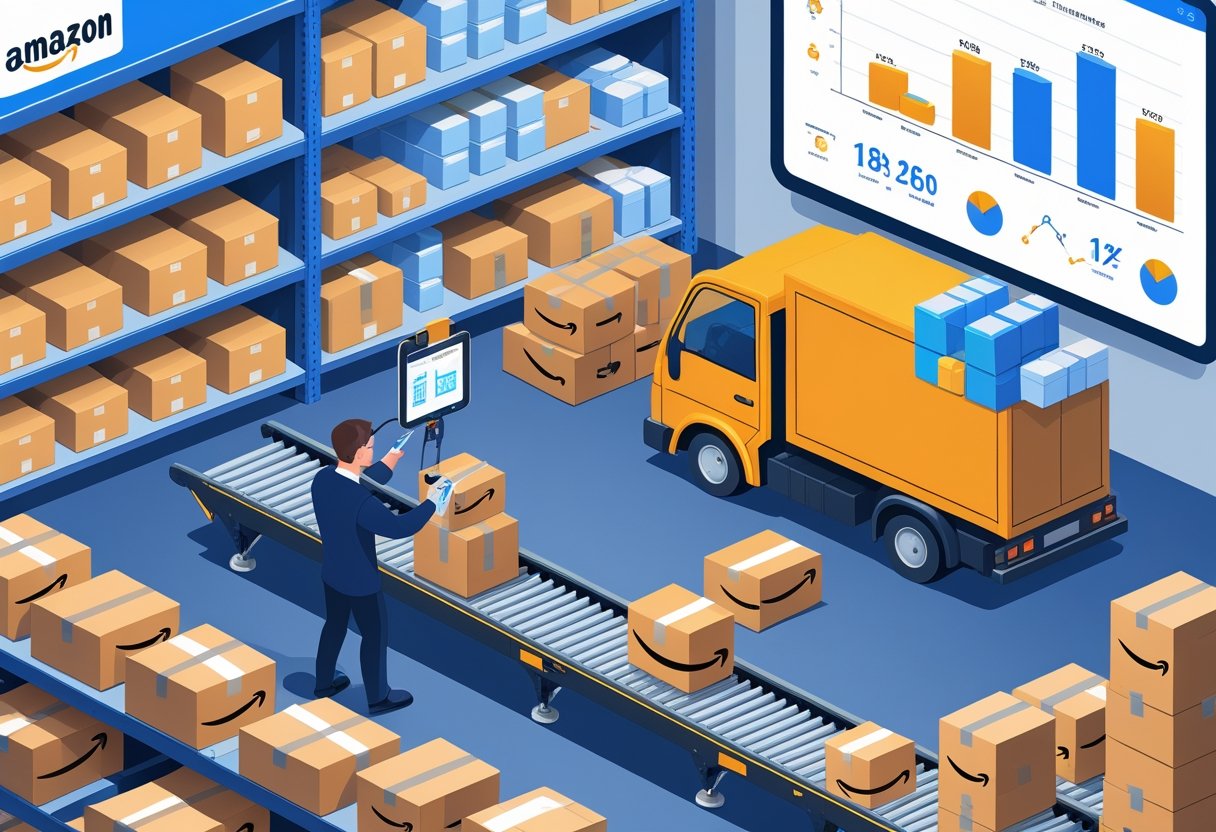
A warehouse with shelves of products, a worker scanning packages, a conveyor belt moving boxes to a delivery truck, and a digital dashboard showing shipping data.

Amazon FBA lets you store your products in Amazon warehouses while they take care of all the shipping and customer service. This program gives sellers access to Prime shipping and Amazon’s delivery network, and you don’t have to sweat the logistics yourself.

What Is Fulfillment by Amazon (FBA)?

Fulfillment by Amazon (FBA) is a program that allows sellers to send their products to Amazon’s warehouses. Amazon stores, picks, packs, and ships your products to customers.

You still control your product listings and pricing. Amazon just does the heavy lifting for you.

FBA works for both solo sellers and bigger businesses. You can send your own branded products or even retail arbitrage items through FBA.

When you use FBA, your products become eligible for Prime shipping. That’s a huge deal—millions of Prime members love fast, free shipping.

Advantages for Sellers Using Shipping to Amazon FBA

Shipping to Amazon FBA brings a bunch of perks. Prime shipping eligibility can seriously boost your visibility and sales since Prime members search for those fast-shipping badges.

Time savings are a major win here. You don’t have to pack boxes, print labels, or stand in line at the post office anymore.

Amazon takes over all customer service for FBA orders. They’ll answer questions, process returns, and handle refunds for you.

The global fulfillment network means you can reach customers all over the world. Amazon has warehouses in multiple countries so you can serve international buyers.

Shipping to Amazon FBA helps your products compete with big-name sellers. FBA levels the playing field and gives small businesses access to Amazon’s logistics muscle.

How Shipping to Amazon FBA Works

The FBA process starts when you create product listings in your FBA dashboard. You pick FBA as your fulfillment method when you’re setting up your listings.

Then, you prep and ship your inventory to Amazon fulfillment centers. Amazon spells out the packaging and labeling requirements you need to follow.

The four-step Shipping to Amazon FBA process looks like this:

  1. Send inventory – Ship products to the Amazon warehouses they assign
  2. Amazon stores – They catalog and store your products safely
  3. Customer orders – Amazon picks, packs, and ships when someone buys
  4. Customer support – Amazon handles returns and questions

When customers order, Amazon’s system fulfills them automatically. You can track your inventory and sales through Seller Central.

As an FBA seller, you pay fees for storage and fulfillment services. These fees shift depending on your product’s size, weight, and how long it sits in the warehouse.

Eligibility and Inventory Requirements for Shipping to Amazon FBA
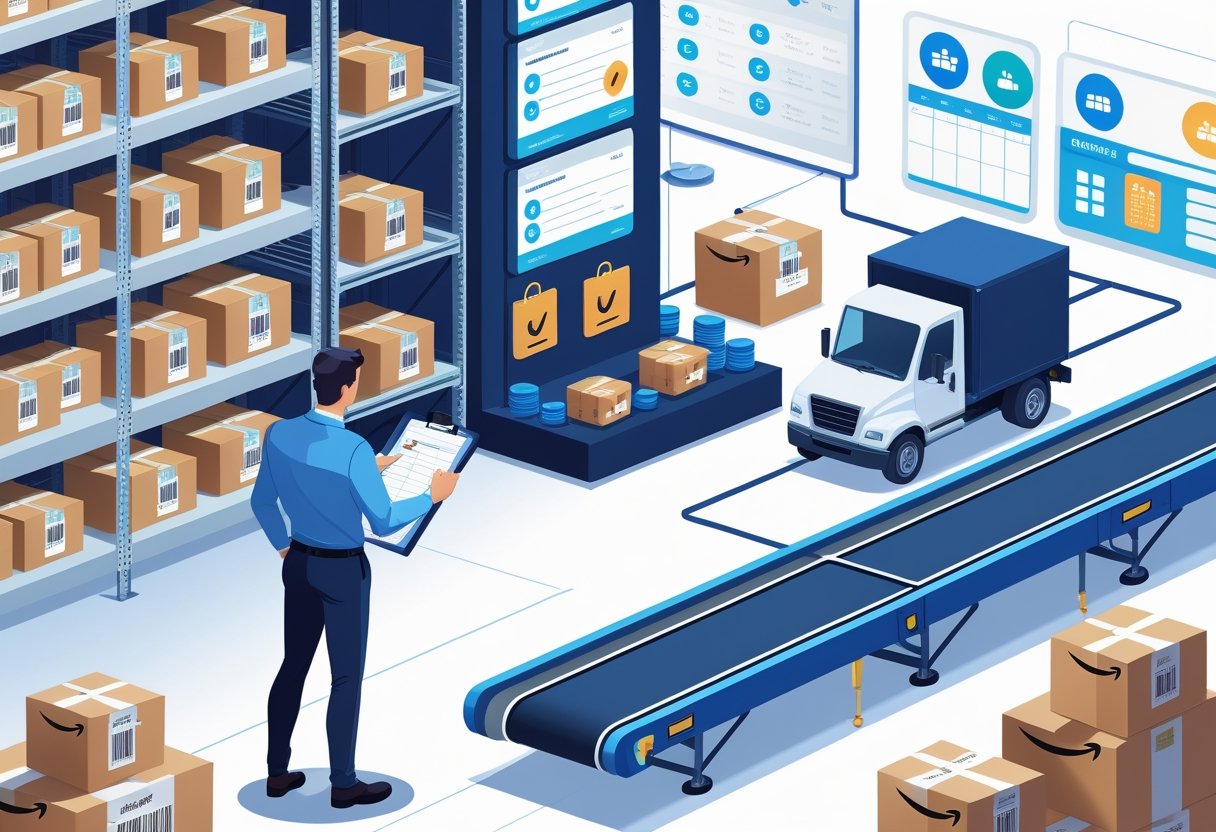
A business professional inspecting inventory in a warehouse with shelves of boxes and an Amazon delivery truck at a loading dock.

Amazon has strict rules about which products you can send through Shipping to Amazon FBA and how you need to prep your inventory. Products with expiration dates and items that melt need special handling to meet Amazon’s standards.

FBA Product Restrictions for Shipping to Amazon FBA

Amazon restricts certain products from FBA warehouses for safety and legal reasons. FBA policies and requirements list what you can’t store or ship through their fulfillment centers.

Prohibited items include:

  • Hazardous materials and chemicals
  • Live animals and plants
  • Perishable foods without proper certification
  • Weapons and ammunition
  • Adult products in certain categories

Restricted items need Amazon’s approval before you can sell them through FBA. These usually include supplements, topical products, and electronics with lithium batteries.

Always check Amazon’s restricted product list before shipping to Amazon FBA. Sending prohibited items gets your shipment refused and could even block your seller account from future shipments.

Inventory Requirements Overview for Shipping to Amazon FBA

FBA inventory requirements cover product titles, barcodes, packaging, and shipping standards. Each product has to meet certain prep standards before Amazon will accept it.

Key requirements include:

  • Clear product titles with brand, model, and main features
  • Manufacturer or Amazon barcodes on every item
  • Packaging that protects against damage during shipping
  • Accurate product condition (new, used, or refurbished)

Products listed as new have to arrive in original packaging with all accessories. Used items need a different kind of prep.

Amazon sets capacity limits for how much inventory you can send. The FBA restock inventory tool helps you track those limits and plan your shipments.

Expiration-Dated and Meltable Product Guidelines for Shipping to Amazon FBA

Products with expiration dates must have at least 90 days left when they reach Amazon. You’ll need special approval to sell most food items through FBA.

Expiration date requirements:

  • Clear, easy-to-read dates on every unit
  • Dates in MM-DD-YYYY or MM-YYYY format
  • Products expiring within 50 days get removed automatically

Meltable items like chocolate, cosmetics, and candles need temperature-controlled shipping during warmer months. Amazon calls April 1 through October 31 the meltable season.

These products need special packaging with insulation and cooling. You have to use expedited shipping to keep transit times short.

Amazon charges extra fees for temperature-sensitive storage and handling. If your products arrive melted, Amazon will dispose of them and charge you for it. Prep these items carefully to avoid inventory loss and extra fees.

Setting Up for Shipping to Amazon FBA

Getting started with Shipping to Amazon FBA means three things: creating your seller account, switching your products to FBA, and learning the ropes of Amazon’s seller platform.

Registering as an Amazon Seller for Shipping to Amazon FBA

You need an active Amazon seller account before you can send anything to FBA warehouses. Head to sell.amazon.com to create your account.

Amazon offers two seller plans. The Individual plan costs $0.99 per sale with no monthly fee. The Professional plan costs $39.99 a month but skips those per-item fees.

Go with Professional if you:

  • Plan to sell more than 40 items a month
  • Want to use advertising tools
  • Need advanced selling features
  • Sell in restricted categories

Registration asks for your business info, tax details, and a bank account for payments. You’ll also have to verify your identity with government ID.

Amazon sometimes puts initial restrictions on new accounts to prevent fraud. These limits can affect how much inventory you can send at first.

Enrolling Products in FBA for Shipping to Amazon FBA

Before you can start Shipping to Amazon FBA, you need to enroll your products in FBA. Start by setting up your product listings in your seller account.

Go to the Manage Inventory page in Seller Central. Find your product and use the dropdown menu next to it.

Click “Change to Fulfilled by Amazon” if your product is merchant-fulfilled. This flips your listing over to FBA.

Key enrollment settings:

  • Fulfillment method (FBA or self-fulfilled)
  • Prep requirements for your product type
  • Labeling preferences (Amazon or seller labels)

Some products need extra prep like bubble wrap or bagging. Check Amazon’s prep requirements for your category to avoid delays.

You can’t create shipping plans until your products are enrolled in FBA. Make sure you complete this step before moving on.

Navigating Seller Central for Shipping to Amazon FBA

Seller Central is Amazon’s main dashboard for managing inventory and Shipping to Amazon FBA. The shipping workflow changed recently with new placement and carrier options.

Access your shipping tools through Menu > Shipments > Send to Amazon. That’s where you’ll create all your shipping plans.

The Manage Inventory page shows your current stock and FBA status. Use the Send/Replenish Inventory option in the dropdown to start new shipments.

Main Seller Central sections for Shipping to Amazon FBA:

  • Shipments – Create and track your FBA shipments
  • Inventory – Check stock levels and product status
  • Performance – See your account health metrics
  • Reports – Get detailed shipping and inventory data

Staying updated on Amazon’s workflow changes helps you avoid mistakes. The new inventory placement service affects how your products get split up across warehouses.

Bookmark the pages you use most. Shipping to Amazon FBA means following several steps, so knowing where to find each tool saves a lot of time.

Preparing, Packaging, and Labeling Products for Shipping to Amazon FBA

Getting your products ready for Shipping to Amazon FBA means following Amazon’s strict packaging and prep standards and putting the right barcodes on every item. Each product needs solid protection for shipping and clear labels for Amazon’s scanning systems.

Packaging Standards and Materials for Shipping to Amazon FBA

Amazon sets strict rules for box sizes and weights when Shipping to Amazon FBA. Your boxes can’t exceed 25 inches on any side or weigh more than 50 pounds.

If a box weighs between 50 and 100 pounds, slap on a “Team Lift” label. Anything over 100 pounds needs a “Mechanical Lift” label, so don’t skip that step.

Stick to approved packing materials inside your boxes. Bubble wrap is great for fragile items and offers solid protection.

Full sheets of paper and inflatable air pillows are also fine. Never use packing peanuts, foam strips, crinkle wrap, or shredded paper—Amazon doesn’t allow those at all.

Poly bags should be at least 1.5 mm thick and totally transparent. If the opening is over 5 inches, print a suffocation warning right on the bag.

All boxes must be new and strong. Remove any old shipping labels or markings before packing up your products for Shipping to Amazon FBA.

Prep and Labeling Requirements for Shipping to Amazon FBA

Every product needs an Amazon barcode, called an FNSKU, to link it to your seller account. This keeps your inventory separate from other sellers’ stuff.

You can print labels yourself, ask your supplier, or use Amazon’s FBA label service for a fee. Labels have to be 1×2 inches and easy to scan.

Different products need different prep. Individual units like clothing or small accessories go in poly bags.

When selling sets, pack them together and add a “Sold as Set” or “Do Not Separate” label on the outside.

Cover sharp items with bubble wrap over all pointed edges. Fragile products should pass a 3-foot drop test without breaking—Amazon checks this.

For baby items, use transparent poly bags and put the barcode where it’s easy to scan.

Box Content Information for Shipping to Amazon FBA

Each shipping box needs an FBA box ID label, which you get when creating your shipment. Print and stick this label on the box’s side, away from edges and seams.

Don’t put the FBA box ID label on the top, bottom, or near the opening. Amazon’s scanners need a clear shot at that code.

Include a packing slip inside each box listing all products and quantities. This helps Amazon workers check that the contents match your shipment plan.

For case-packed products, every item in the box must be identical with the same SKU and condition. Mixed products need individual labels on each item.

Write the total number of units clearly on your shipping labels. Always double-check that your box contents match what you entered in Seller Central before Shipping to Amazon FBA.

Choosing the Right Barcodes for Shipping to Amazon FBA

Amazon accepts several barcode types, depending on your product and selling method. FNSKU labels work for most FBA products and put you in control.

You can use manufacturer barcodes (UPC/EAN) if Amazon has them in their catalog. This is handy for brand-name products that don’t need special prep.

Print barcodes with a thermal printer for best results. Laser printers are okay, but inkjet can smudge and cause headaches.

Stick barcodes on flat surfaces so they don’t get bent or wrinkled. Don’t cover important product info or manufacturer codes with your barcode.

Test your barcodes with a scanner before Shipping to Amazon FBA. Unreadable codes mean delays and extra fees at Amazon’s fulfillment centers—nobody wants that.

Creating and Managing Your Shipping to Amazon FBA Plan

Your FBA shipping plan is the blueprint for getting inventory to Amazon warehouses. The process has three main steps: create the shipment plan in Seller Central, follow Amazon’s send-to-Amazon workflow, and prep your documentation.

Shipment Plan Creation Process for Shipping to Amazon FBA

Log into Seller Central and head to the inventory section. Click on “Send to Amazon” to start the shipment plan creation process.

Pick the products you want to ship by entering their SKUs or ASINs. Enter the exact quantities for each item you’ll send.

Choose your ship-from address carefully. It must match where your inventory is stored.

Amazon splits shipments across multiple fulfillment centers. You can’t control where things go, but you can see which products are routed to each place.

Review destinations and quantities before confirming your plan. Once you confirm, it’s tough to make changes, so double-check everything first.

Send to Amazon Workflow for Shipping to Amazon FBA

The send to amazon workflow walks you through each step. Amazon breaks it into clear phases you need to finish in order.

Step 1: Confirm your shipping plan details and product quantities.

Step 2: Choose between individual products or case-packed items. Case-packed means all items in a box share the same SKU.

Step 3: Print and apply FNSKU labels to every unit unless you’re using manufacturer barcodes.

Step 4: Pick your shipping method—small parcel, LTL freight, or full truckload.

Amazon offers partnered carrier options, which usually cost less than using your own carrier. Compare rates before making a choice.

Schedule a pickup or drop-off. Some carriers need advance booking, especially for freight shipments.

Packing Lists and Documentation for Shipping to Amazon FBA

Your box content info must match exactly what you ship. Amazon scans every item on arrival and charges fees for any mistakes.

Create detailed packing lists including:

  • SKU numbers and quantities per box
  • Box dimensions and weight
  • FNSKU labels for each product
  • Box ID labels (two per carton)

Tools like InventoryLab generate pro packing lists automatically. These sync with your Seller Central data and help reduce mistakes.

Set up reusable case pack templates for your most common product combos. It saves time for repeat shipments.

Print labels with a thermal printer if you can. Laser and inkjet labels sometimes smudge in transit.

Keep copies of all your docs until Amazon confirms your inventory arrived. If something goes missing or gets damaged, you’ll need those records.

Choosing and Executing Shipping Methods for Shipping to Amazon FBA

Amazon FBA gives you four main shipping methods. The right one depends on weight, delivery speed, and your budget.

Overview of Shipping Methods for Shipping to Amazon FBA

Amazon offers four shipping options for FBA sellers. Small Parcel Delivery costs $3-$7 per unit and delivers in 1-5 days for shipments under 150 pounds.

Less Than Truckload handles medium loads between 150 and 10,000 pounds. It costs $1.50-$3 per unit and usually takes 3-7 days.

Full Truckload is for shipments over 10,000 pounds. You’ll pay $0.75-$1.50 per unit, with transit times of 2-5 days.

Amazon Global Logistics is for international bulk shipments, charging $0.30-$0.80 per unit. Delivery takes 3-8 weeks but it’s the cheapest per unit.

Method Comparison:

Method Weight Range Cost Per Unit Transit Time
SPD <150 lbs $3-$7 1-5 days
LTL 150-10,000 lbs $1.50-$3 3-7 days
FTL >10,000 lbs $0.75-$1.50 2-5 days
AGL Bulk international $0.30-$0.80 3-8 weeks

Small Parcel Delivery (SPD) for Shipping to Amazon FBA

SPD uses carriers like UPS, FedEx, or Amazon Partnered Carrier for individual boxes. You ship direct to fulfillment centers, no need to palletize products.

Each box must weigh under 50 pounds unless a single item is heavier. Max dimensions are 25 inches on any side.

SPD Requirements:

  • Generate FBA shipment labels in Seller Central
  • Stick labels on flat box surfaces, not on edges
  • Use Amazon Partnered Carrier for discounted UPS rates
  • Schedule pickups or drop-offs with your carrier

Over 55% of US-based FBA sellers pick SPD for its speed and ease. It’s ideal for new product launches or urgent restocks when you need speed over savings.

SPD offers the fastest delivery but also the highest per-unit shipping costs. Use this method if you’re shipping fewer than 15 boxes or need quick inventory replenishment for Shipping to Amazon FBA.

Less Than Truckload (LTL) and Full Truckload (FTL) for Shipping to Amazon FBA

LTL puts your boxes on pallets with other shipments, balancing cost and delivery time for medium-sized loads.

Use standard 40×48 inch wooden pallets and keep stacks under 72 inches including the pallet. Shrink-wrap each pallet and attach FBA labels on all four sides.

FTL reserves a whole truck for your shipment. This cuts handling risks and gives you the lowest per-unit cost for big loads.

LTL/FTL Requirements:

  • Book delivery appointments through Amazon’s system
  • Prepare Bill of Lading with shipment details
  • Use Amazon Partnered Carrier for automatic scheduling
  • Generate pallet and box labels in Seller Central

Partnered Carrier rates can cut shipping costs by up to 45% compared to independent carriers. FTL is best when you’ve got 26 or more pallets to send for Shipping to Amazon FBA.

International Shipments and Shipping to Amazon FBA with Amazon Global Logistics

Amazon Global Logistics offers integrated freight forwarding for international sellers. AGL handled over 200,000 international shipments to US warehouses in 2024.

Ocean freight through AGL costs up to four times less per unit than air freight. Delivery times can stretch to 8 weeks, depending on customs clearance and port congestion.

AGL Documentation:

  • Commercial invoices with HS codes and product values
  • Packing lists and certificates of origin
  • FDA, EPA, or other regulatory compliance documents
  • Incoterms specification (usually DDP or DAP)

To get started, create Global Shipment Plans through Seller Central. Amazon tracks your shipment and manages customs clearance.

Over 60% of Amazon’s US inbound volume from Asia uses ocean freight via AGL. This works well for high-volume sellers who care more about cost than speed.

Labeling, Documentation, and Receiving When Shipping to Amazon FBA Fulfillment Centers

Proper labeling and documentation help your inventory move through Amazon’s system without hiccups. Each shipment type needs specific labels, freight documentation, and must follow Amazon’s receiving timeline.

Shipping to Amazon FBA: Shipping and Pallet Labels

Every box you send to Amazon needs a shipping label. Each FBA box requires a specific label with box content info you provide during shipment creation.

Double-check that the SKU and number of units match what’s in each box. The wrong label on the wrong box? That’ll cause delays at the fulfillment center.

Palletized shipments need more labels:

Make sure pallet labels are readable and placed right. Amazon scans these first when your shipment shows up.

Shipping to Amazon FBA: Bill of Lading and Freight Documentation

Your bill of lading is the contract between you and the carrier. It lists what you’re shipping and where it’s headed.

Required info includes:

  • Freight-ready date – when your shipment’s ready for pickup
  • Total number of pallets or boxes
  • Weight and dimensions
  • Delivery appointment details

Amazon fulfillment centers need advance notice for freight deliveries. Your carrier will set up the delivery appointment using the freight-ready date you gave.

Keep copies of all your freight docs. If issues pop up during transit or delivery, you’ll be glad you did.

Shipping to Amazon FBA: Receiving Process at Fulfillment Centers

Amazon fulfillment centers follow a set process when your shipment arrives. The receiving team scans your labels and checks the contents against your shipment plan.

The process looks like this:

  1. Initial scan of shipping and pallet labels
  2. Box opening and inventory check
  3. Problem identification for missing or damaged items
  4. Inventory placement in storage

If you miss FBA prep requirements, Amazon might refuse, dispose, or return your inventory.

Amazon charges extra for unplanned services needed to process your shipment. Label and prep everything right to avoid these costs.

Your inventory usually goes live for sale once Amazon finishes receiving. For standard shipments, this takes about 1-3 business days.

Managing Shipping to Amazon FBA Costs and Operational Efficiency

Managing costs takes a mix of understanding FBA fees, timing, and shipment planning. The right tools and services can cut expenses and improve delivery speed to Amazon warehouses.

Shipping to Amazon FBA: FBA Shipping and Storage Costs

FBA costs include more than basic shipping rates. You pay for freight, customs clearance, prep, and Amazon’s receiving fees.

International shipping from China to the US usually costs $2,500–$4,000 per container by sea. Air freight? That’ll run $7,000–$12,000 for the same volume.

Your Shipping to Amazon FBA costs also include domestic transport to fulfillment centers. This changes based on distance and carrier.

Storage fees at Amazon warehouses charge monthly rates for inventory. Standard-size items cost $0.87 per cubic foot from January to September. October through December rates jump to $2.40 per cubic foot.

Long-term storage fees kick in for items stored over 365 days. That’s $6.90 per cubic foot or $0.15 per unit, whichever is higher.

Track your cost per unit across all shipping components. Include freight, prep, customs, and Amazon fees in your math.

Shipping to Amazon FBA: Optimizing Shipment Size and Timing

Right-sizing shipments helps balance inventory needs with storage costs. Shipping strategies that save money focus on timing and volume.

Send only 1–3 months of projected inventory to Amazon. That way, you avoid long-term storage fees but keep products in stock.

Split shipments between air and sea freight for better cost control. Ship small amounts by air for speed. Send big batches by sea to save money per unit.

Consider using a prep center or warehouse as a buffer between your supplier and Amazon. You can inspect products and send smaller batches as needed.

Seasonal timing impacts shipping costs a lot. Book freight early for peak season. Prices spike from August through November.

Consolidate multiple products into one shipment if you can. Full containers cost less per unit than partial loads.

Shipping to Amazon FBA: Utilizing FBA Tools and Services

Amazon’s Seller Central has shipment planning tools that estimate costs upfront. These calculators help you compare shipping methods and carriers.

Partnered carrier programs through Amazon often offer discounted rates. Compare these with your own freight forwarders to find the best deal.

FBA prep services handle labeling, packaging, and inspection. Professional prep centers lower rejection risks and save you time.

Inventory Performance Index (IPI) monitoring helps avoid storage limits. Keep your IPI above 450 to maintain full storage access.

Amazon Global Logistics manages end-to-end shipping from suppliers to fulfillment centers. This service includes customs clearance and FBA prep in one package.

Freight forwarders who know FBA requirements get Amazon’s packaging and labeling rules. They help prevent shipment delays and extra fees from mistakes.

Use inventory management software to track shipping metrics. Watch your cost per unit, delivery times, and rejection rates to improve your Shipping to Amazon FBA strategy.

Frequently Asked Questions About Shipping to Amazon FBA

Shipping to Amazon FBA comes with steps, costs, and requirements that new sellers need to grasp. Direct supplier shipping and profits depend on your prep work, volume, and products.

What are the steps for shipping products to an Amazon FBA warehouse?

You need to follow six main steps for Shipping to Amazon FBA. First, apply FNSKU labels to your products and prep them per Amazon’s guidelines.

Then, create a shipment in Seller Central, picking your products and quantities. Amazon generates shipping labels and gives you a fulfillment center address.

Print and stick the FBA shipping labels on your boxes. Each box should weigh less than 50 pounds for standard items.

Ship your products using any carrier—UPS, FedEx, USPS—to the assigned Amazon warehouse. Save your tracking number for reference.

Confirm your shipment in Seller Central by entering the carrier name and tracking number. This lets Amazon know your products are on the way.

Monitor your shipment status until Amazon marks it “Checked In.” Once processed, your products go live for sale.

How much does it typically cost to ship items to Amazon FBA?

Shipping to Amazon FBA costs include several fees. Inbound shipping costs depend on weight, distance, and carrier.

FBA fees range from $0.65 to $3.90 per item for pick and pack. Weight handling fees run $0.26 to $0.80 per pound.

Monthly storage fees start after 30 days, based on your inventory volume. Long-term storage fees go up if products sit unsold over 365 days.

Optional services like labeling, bagging, or gift wrap add extra costs if you use them. Your total fees depend on product size, weight, and how fast you sell.

What are some tips for reducing shipping costs to Amazon FBA?

Consolidate shipments to send fewer, larger boxes instead of lots of small ones. This approach cuts overall shipping expenses.

Use Amazon’s partnered carriers for discounted UPS and DHL rates. These deals often beat standard shipping prices.

Ship products to the closest fulfillment center to lower distance-based fees. Amazon assigns warehouses, but sometimes you can request changes.

Optimize packaging to reduce weight and size. Lighter packages cost less to ship and mean lower FBA fees.

Plan inventory to avoid long-term storage fees. Only send products that will sell in a reasonable time frame.

How does the Amazon FBA program work for new sellers?

Shipping to Amazon FBA means Amazon handles storage, picking, packing, and shipping once you send products to their warehouses. You focus on sourcing and marketing while Amazon takes care of logistics.

Your products become Prime-eligible, which usually boosts sales. Amazon also manages customer service and returns for FBA orders.

You pay Amazon fees for these services, but the convenience is worth it for a lot of sellers. The program scales with your business—no warehouse needed.

New sellers must convert their product listings to FBA before shipping. Only converted SKUs appear in the shipment workflow.

Is Shipping to Amazon FBA Directly from a Supplier Possible?

Yes, shipping to Amazon FBA straight from your supplier is possible if they stick to Amazon’s procedures. You can ship products purchased from Alibaba or other wholesale platforms right to Amazon.

Your supplier needs to apply the correct FNSKU labels and follow Amazon’s prep requirements. You’ll still have to create the shipment in Seller Central first.

Give your supplier Amazon’s shipping address and the FBA labels yourself. Make sure they actually understand Amazon’s rules for packaging and labeling. Sometimes, suppliers overlook small details, which can cause headaches later.

Shipping to Amazon FBA this way can save time and cut shipping costs. But honestly, you do lose the chance to check product quality before Amazon gets your items.

Shipping to Amazon FBA: What are the potential earnings for a beginner?

Beginner earnings with Shipping to Amazon FBA can swing wildly. Product selection, marketing chops, and how much you’re willing to invest all play a role.

Some folks see just a few hundred bucks a month. Others? They’re pocketing thousands.

To figure out your profit, subtract Amazon fees, product costs, and shipping expenses from your sales revenue. Shipping to Amazon FBA comes with fees—usually 15% to 45% of whatever you sell the item for.

Choosing the right products and keeping your listings sharp matter a lot. Managing inventory well can make or break your results.

Competition and market demand? They’re huge. Don’t ignore them if you want to get ahead in Shipping to Amazon FBA.

Most people who do well with Shipping to Amazon FBA put their profits back into inventory and ads. Honestly, building something steady usually takes anywhere from six months to a year—sometimes longer, sometimes less, depending on how things shake out.

Posted on

Get a Quote for Your Shipment at AEB Logistics

AEB quote

For an AEB Quote Proposal, simply submit a form at your AEB dashboard. Your AEB account manager will work on your request and inform you once a quote is ready.

Or you may email us at [email protected] with shipment details as follows. A ticket will be created for your AEB account manager to send quote to you. Please as well check your spam folder as in some cases emails from [email protected] may be put to spam.

  1. Origin
  2. Destination
  3. Freight incoterms – FOB or EXW
  4. Cargo HS code and cargo value for an estimation on import duties and taxes
  5. Box count/cbm/kgs
  6. Estimated date of cargo readiness at origin
  7. Optional/Comments: Please share target price for streamlined quoting, reaching satisfactory shipping solution for both parties.
Posted on

DDP Shipping: Essential Guide to Delivered Duty Paid Terms

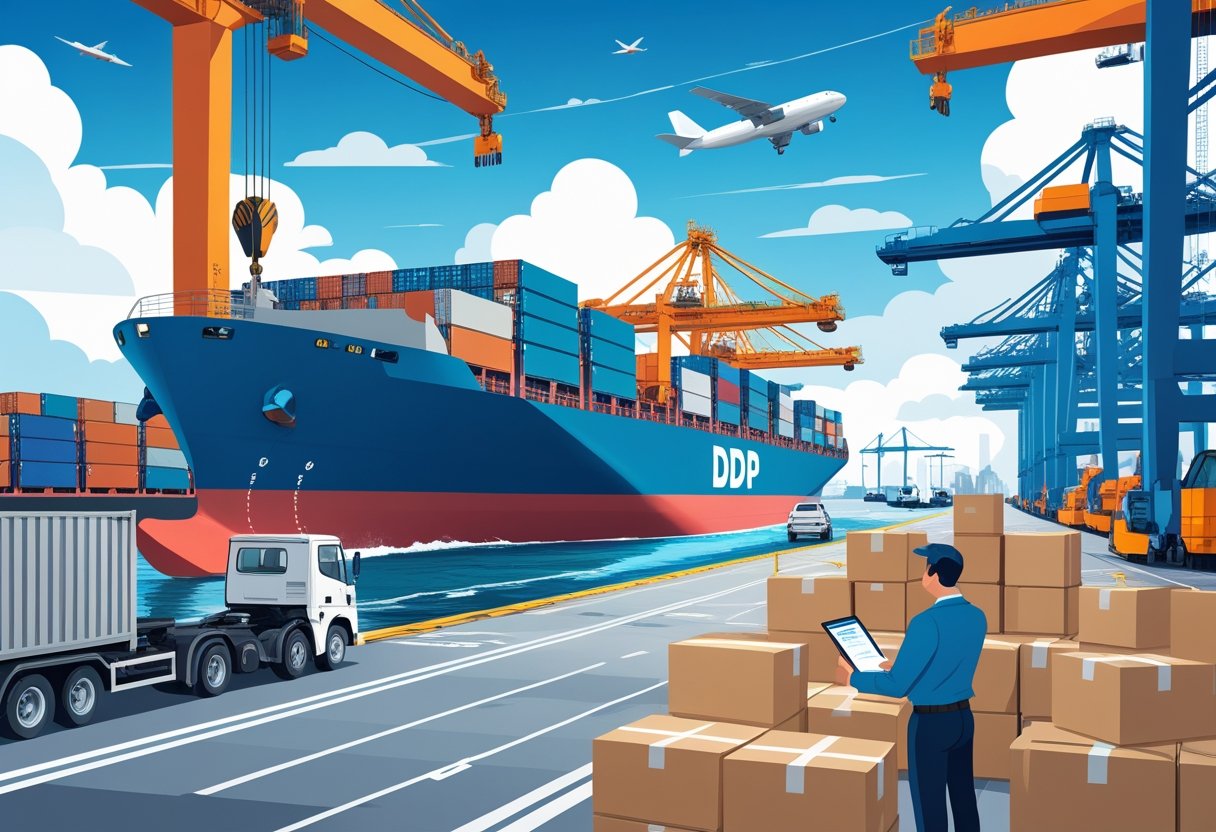
A cargo ship at a busy port with cranes loading containers, a logistics manager checking a tablet, and trucks and airplanes in the background representing global shipping and delivery.

DDP shipping really puts you, the buyer, in the driver’s seat by shifting almost all shipping responsibilities onto the seller. DDP, or Delivered Duty Paid, is an international shipping term where the seller takes care of all costs, duties, taxes, and risks until your goods reach their final stop.

This arrangement can seriously simplify your import process. No more sweating over customs headaches.

When you’re importing goods internationally, understanding DDP becomes pretty crucial. It lets you skip the mess of customs procedures and paperwork.

The seller takes on most of the liability and shipping costs. You get your products without ever having to deal with customs clearance, import duties, or arranging transportation yourself.

DDP offers some clear advantages, but it’s not without things you should consider. It’s not always the best fit for every shipment or business scenario.

Your choice of shipping terms can impact your bottom line and how complicated your operations get. DDP might sound perfect, but sometimes, alternatives make more sense.

Key Takeaways

  • DDP shipping shifts almost all responsibility to the seller, including shipping costs, duties, and customs clearance until your goods reach your chosen destination.
  • You get simplified importing with less paperwork and customs hassle, though you might pay higher prices to cover the seller’s extra effort.
  • DDP shipping works well for small shipments or if you’re new to importing. Alternatives like DAP or FOB could be better for big or frequent shipments.

What Is DDP Shipping?

A cargo ship at a busy port with cranes loading containers, a customs officer handing documents to a logistics manager, and trucks and airplanes nearby representing international shipping.

DDP shipping is an international delivery agreement where sellers take on all costs and responsibilities from start to finish. This method removes customs duties and tax headaches from buyers completely.

Definition and Core Principles of DDP Shipping

DDP means Delivered Duty Paid. It’s one of the Incoterms, international rules that help standardize global trade.

If you’re the seller, DDP shipping puts you in charge of the whole process. You pay for shipping, import duties, taxes, and insurance.

Buyers get their goods with zero surprise charges. All customs clearance happens before delivery, so there’s no paperwork or last-minute fees for them.

Key DDP responsibilities include:

  • Export packaging and documentation
  • International transportation
  • Import duties and taxes
  • Customs clearance
  • Final delivery to buyer’s address
  • Insurance coverage during transit

This delivered duty paid approach puts nearly all responsibility on sellers. Buyers only pay the total price shown at checkout—nothing hidden.

DDP Shipping’s Role in International Trade

DDP shipping plays a huge part in global commerce. It makes cross-border transactions smoother and less nerve-wracking.

DDP shipping helps standardize international shipping practices across borders and legal systems. For buyers, DDP takes away the stress of import procedures.

You don’t have to worry about customs surprises that can delay delivery or add costs. DDP shipping boosts conversion rates because customers see clear, all-in pricing up front.

When shoppers don’t have to worry about hidden import fees or customs paperwork, they’re more likely to buy. Businesses use DDP shipping to compete better in global markets—it builds trust and helps reduce cart abandonment for international sales.

DDP shipping benefits in international trade:

  • Faster customs processing
  • Fewer delivery delays
  • Happier customers
  • More international sales conversions

Plenty of logistics companies now offer DDP shipping services to help businesses expand globally and keep shipping policies customer-friendly.

Key Responsibilities Under DDP Shipping

A logistics manager reviewing shipping documents with cargo ship, delivery truck, customs officer, and warehouse in the background representing DDP shipping responsibilities.

DDP shipping puts maximum responsibility on sellers and keeps things simple for buyers. The seller covers all costs, paperwork, and risks until the goods reach the agreed destination.

Seller Obligations in DDP Shipping

As the seller, you take on a lot. You need to prepare all export documentation like the commercial invoice, packing lists, and certificates of origin.

Export Requirements:

You’re also responsible for import procedures at the destination. That means paying all duties, taxes, and customs fees, plus handling customs clearance and following local import rules.

Import Responsibilities:

Your job isn’t done until the goods are delivered. You coordinate last-mile delivery and get proof of delivery. The sales contract should spell out the exact delivery spot to avoid any mix-ups.

Buyer Duties in DDP Shipping

If you’re the buyer, your job is pretty easy under DDP shipping. Just accept delivery at the agreed place and time.

Primary Duties:

  • Give clear delivery instructions
  • Be ready to receive the goods
  • Check the goods when they arrive
  • Report damages right away

You’ll need to let the seller know about any delivery requirements. Maybe there are access restrictions or special equipment needed—give them a heads up.

Check that the goods match what’s on the invoice. If something’s off, report it quickly to protect your rights.

Risk Transfer Point in DDP Shipping

Risk moves from seller to buyer only when the goods arrive at the named destination. DDP shipping is about as buyer-friendly as it gets.

The seller keeps all the risks during transit—damage, loss, delays, you name it. Sellers really need to keep insurance active the whole way, right up to proof of delivery.

Risk Responsibility Timeline:

  • Seller: From pickup to delivery
  • Buyer: After the goods arrive

Make sure your sales contract spells out exactly where risk transfers—warehouse dock, inside the facility, or some other spot. DDP shipping requires maximum seller responsibility until that final handover.

Costs and Components Included in DDP Shipping

DDP shipping includes every cost from the seller’s door to yours. That means transportation, customs duties, taxes, VAT, and insurance. You just pay the agreed price—no surprise charges.

Transportation and Shipping Fees in DDP Shipping

Transportation costs make up the biggest chunk of your DDP shipping bill. These cover moving goods from the seller’s warehouse to your doorstep.

Freight charges depend on how you ship. Sea freight is cheaper but slower. Air freight is fast but expensive. Land transport works for nearby places.

The seller also covers extra fees along the way:

Fuel surcharges (FAF)
Peak season surcharges (PSS)
Bill of lading fees
Terminal handling charges

Transportation is usually the biggest part of DDP costs. The seller arranges and pays for every step.

Warehouse and loading fees can add up, especially if customs delays happen. Sellers cover storage if needed.

Duties, Taxes, and VAT in DDP Shipping

Import duties and taxes are a big part of DDP shipping. Sellers have to calculate and pay all customs charges before delivery.

Import duty calculation: Duty = Dutiable Value × Duty Rate. The dutiable value is usually the CIF price (cost + insurance + freight).

VAT calculation: VAT = (Dutiable Value + Duty) × VAT Rate. Some countries let you deduct VAT if you’re locally registered for tax.

Different products get different duty rates. Sellers need to check the exact rates through customs websites. Free trade agreements sometimes lower or eliminate duties.

Special taxes hit certain goods. Luxury items, alcohol, and tobacco get slapped with excise duties, which can really bump up your costs.

Sometimes anti-dumping duties apply to products from specific countries. Sellers have to double-check current rates before quoting prices.

Insurance and Landed Cost in DDP Shipping

Insurance keeps your goods protected the whole way. Sellers must buy coverage for the entire shipping period under DDP shipping terms.

Insurance amount is usually 110% of your goods’ value. This covers loss or damage during the trip. All-risk coverage is the best bet.

Landed cost is the total to get goods to you. It includes product price, shipping, duties, taxes, insurance, and handling fees.

Sellers figure out landed cost like this:
Landed Cost = Product Cost + Freight + Insurance + Duties + Taxes + Clearance Fees

Currency swings can change your final cost. Rates may shift between when you order and when goods arrive.

Extra fees might pop up for document prep, customs brokerage, or delivery. Sellers cover inspection fees if customs want to check your products.

Sellers take on all financial risk for these costs. You get your goods with nothing more to pay beyond your DDP shipping price.

DDP in Practice: Process and Documentation

DDP shipping demands specific customs steps, detailed paperwork, and smooth import clearance to move goods across borders. Sellers handle export clearance, import duties, and customs documentation. Buyers just wait for cleared shipments to arrive at their door.

Customs Clearance Procedures for DDP

Your DDP shipment goes through two separate clearance processes. Export clearance starts in the seller’s country.

The seller submits export documents to local customs. They pay any required export duties or fees.

This clears your goods to leave the origin country legally. Import clearance then happens in your destination country.

The seller’s customs broker handles this step for you. They submit import paperwork and pay all duties and taxes.

Your broker checks product classifications and tariff codes. They figure out the correct duty rates for your goods.

Payment of duties needs to happen before release. Here are the key clearance steps:

  • Document submission to customs
  • Physical inspection (if required)
  • Duty and tax payment
  • Release authorization

Most DDP clearance takes 1-3 business days. Complex shipments or random inspections can stretch this timeline.

Required Shipping Documents for DDP

Your DDP shipment needs specific documents for customs. The commercial invoice is the main document for customs valuation.

Essential documents include:

  • Commercial invoice with detailed product descriptions
  • Packing list showing contents and quantities
  • Bill of lading or airway bill
  • Certificate of origin (if required)
  • Import licenses or permits (product-specific)

Your commercial invoice must show accurate product values, quantities, and descriptions. Customs uses this to calculate duties and taxes.

The packing list helps customs officers verify shipment contents during inspections. Other documents may be needed too:

  • Insurance certificates
  • Health or safety certifications
  • Restricted goods permits
  • Anti-dumping certificates

Some products need special paperwork. Electronics might need FCC certificates. Food products often require FDA registration numbers.

Your seller handles document prep and submission. They make sure all paperwork fits your destination’s requirements.

Import Clearance Requirements for DDP

Import clearance requirements change by country and product type. Your seller has to know local rules to avoid penalties.

Standard requirements include:

  • Proper product classification codes
  • Accurate customs valuations
  • Payment of applicable duties and taxes
  • Compliance with import restrictions

Product classification decides duty rates and rules. Sellers use Harmonized System (HS) codes for this.

Customs valuation includes product cost, shipping, and insurance. That total value determines duties owed.

Special requirements sometimes apply:

  • Food and agricultural products
  • Electronics and telecom equipment
  • Medical devices and pharmaceuticals
  • Textiles and apparel
  • Hazardous materials

Some countries want importers to have local tax registration numbers. Sellers may need to work with local customs brokers.

Restricted products require special permits or licenses. Banned items simply can’t be imported.

Your seller pays all duties, taxes, and clearance fees up front. You get the shipment with everything already paid.

Comparing DDP With Other Incoterms

DDP puts maximum responsibility on sellers compared to other incoterms. This covers all costs, including duties and taxes.

Understanding how DDP compares to other shipping terms helps you make smarter choices for international shipments.

DDP vs DAP: DDP Shipping Compared

The main difference between DDP and DAP is who pays import duties and taxes. With DAP (Delivered at Place), the seller delivers to the destination, but the buyer handles all import duties, taxes, and customs clearance.

Under DDP, you pay for everything—including import duties and taxes. The buyer gets the goods, cleared through customs, with no extra charges.

Key Differences:

Aspect DDP DAP
Import duties Seller pays Buyer pays
Customs clearance Seller handles Buyer handles
Risk transfer At delivery At delivery
Total cost visibility Complete upfront Partial for buyer

DAP is better if you want to avoid foreign customs rules. DDP offers more control over the shipping process, but it takes more import expertise.

DDP vs DPU: DDP Shipping Differences

DPU (Delivered at Place Unloaded) means you unload goods at the destination. With DDP, unloading depends on your agreement.

Both terms involve similar transport duties, but the final delivery responsibilities differ. With DPU, buyers pay all import duties and taxes.

You handle shipping and unloading with DPU but stop there. DDP goes further—covering customs clearance and duty payments—so you deliver goods ready for the buyer’s use.

Risk and Cost Comparison:

  • DPU: Lower cost exposure, buyer pays import costs
  • DDP: Higher cost exposure, complete service delivery
  • Both: Risk transfers at delivery point

DPU works when unloading is easy but you don’t know much about import rules. DDP provides full door-to-door service and total cost transparency.

DDP vs CIF, FOB, and Other Terms: DDP Shipping Responsibility

CIF (Cost, Insurance, and Freight) and FOB (Free on Board) transfer risk much sooner than DDP. With FOB, risk transfers when goods cross the ship’s rail at export.

CIF covers insurance and freight to the port, but buyers handle import duties and inland transport. Your job ends at the destination port.

Responsibility Levels by Incoterm:

  • FOB/FAS: Minimal seller responsibility, ends at export port
  • CIF/CIP: Moderate responsibility, covers ocean freight and insurance
  • DAP/DPU: High responsibility, excludes import duties
  • DDP: Maximum responsibility, covers everything

DDP stands out among incoterms by putting the most on sellers. Export procedures are always your job, but DDP adds import procedures too.

Pick FOB or CIF if buyers want to handle import processes. Go with DDP if you want to offer a full service and transparent pricing for international customers.

Advantages and Disadvantages of DDP Shipping

DDP shipping brings both benefits and challenges for buyers and sellers. Buyers get convenience and cost certainty. Sellers deal with more risk and complex logistics tasks.

Benefits for Buyers: DDP Shipping Perks

When you go with DDP shipping, you get predictable costs and no admin headaches. The seller handles all import duties, taxes, and customs clearance.

Key advantages:

  • Single pricing: You pay one total price, including all shipping, duties, and taxes
  • No surprise fees: Import charges are built into your purchase price
  • Simplified process: No need to deal with customs brokers or paperwork
  • Faster delivery: No delays waiting for you to pay import duties

You avoid tricky international logistics. Sellers manage customs documentation, export licenses, and local delivery.

This method works best if you import goods regularly but don’t know customs rules well. You can budget confidently since all costs are known up front.

Risks and Limitations for Sellers: DDP Shipping Drawbacks

As a seller using DDP shipping, you take on big export and import responsibilities. You must handle customs clearance in both countries.

Major challenges:

  • Higher costs: You pay duties, taxes, insurance, and shipping to the final destination
  • Complex logistics: Managing international freight, brokers, and local delivery
  • Regulatory knowledge: Understanding foreign import rules and tax rates
  • Extended liability: You’re responsible until final delivery

You need expertise in destination country regulations and trustworthy logistics partners. DDP sellers usually offset higher costs and risk with higher prices.

Currency swings and changing duty rates can mess with your profit margins. Customs issues in the destination country can also cause delays.

Frequently Asked Questions About DDP Shipping

DDP shipping involves cost calculations, delivery times, and carrier choices that businesses need to know. The seller takes on most responsibilities, while customers can track packages in the usual way.

How is the cost of DDP shipping calculated for international transactions?

DDP shipping costs combine several things the seller pays up front. The total price covers product cost, international shipping, import duties, and taxes.

DHL calculates all costs up front and shows them at checkout. This includes customs duties based on product type and destination.

Your shipping provider estimates duties and taxes using value, weight, and classification code. Different countries have different tax rates and duty structures.

What are the expected delivery times associated with DDP shipping?

DDP shipping usually means faster delivery than standard international shipping. Prepaid duties and taxes speed up customs clearance and cut down border delays.

Your packages clear customs faster because all paperwork and payments are sorted ahead of time. There’s no waiting for recipients to pay duties at delivery.

Most DDP shipments take 3-7 business days for express and 7-14 days for standard. Actual times depend on origin and destination.

Which carriers offer DDP shipping options for businesses?

Major international carriers offer DDP shipping for businesses of all sizes. DHL, FedEx, UPS, and DPD all have DDP solutions with integrated customs handling.

Many regional carriers and logistics firms also provide DDP services. Logistics partners like Gxpress help businesses implement DDP shipping solutions.

Your carrier choice may depend on destination and service needs. Some carriers have stronger networks in certain regions.

What responsibilities does a seller have when using DDP shipping?

When you use DDP shipping, you cover all shipping costs, customs duties, and import taxes. That means you’ve got to prepare accurate customs paperwork and make sure you classify products correctly.

The seller takes responsibility for delivering goods to the buyer’s location—this covers every cost and all customs procedures. If customs delays happen, you’re the one who deals with it.

You really need to check import rules for each country you ship to. Sometimes products have restrictions or need special permits, and it’s your job to get those sorted out.

How does DDP shipping impact customs clearance procedures?

DDP shipping can make customs clearance a lot smoother. You or your logistics provider manage customs declarations, pay duties, and handle all the necessary paperwork up front.

The customs process becomes simpler for customers because you’ve prepaid all fees and finished the paperwork before shipping. Packages are less likely to get stuck at customs.

Customs officials process DDP shipments faster since there’s nothing outstanding—no missing documents or unpaid fees. Your packages usually move through customs with fewer headaches.

Can you track a package shipped under DDP terms, and how to track DDP shipments?

Yes, most DDP shipments include tracking features just like standard international packages. Your tracking options depend on the carrier and the service level you pick.

When you book a DDP shipment, you get a tracking number. Plug that number into your carrier’s online tracking system for real-time updates.

Your customers can track DDP shipments using the same tracking number. They’ll see customs clearance updates and get an estimated delivery date, which is always helpful.

Posted on

Scammer of International Logistics: Spotting and Outsmarting Freight Fraud

A person in a business suit sits at a desk with shipping documents and computer screens showing global shipping routes, with a world map in the background, suggesting deceptive activity in international logistics.

Ever feel like international shipping’s a minefield? If so, you’re not alone. The rise of the Scammer of International Logistics has made it riskier than ever for businesses to trust new freight partners.

These scammers target companies handling shipping, freight forwarding, and supply chain management. Their tricks can cost you real money, lost cargo, and even ruin partnerships you’ve worked hard to build.

If you want to avoid getting burned by a Scammer of International Logistics, you need to know the red flags. They’ll fake websites, pretend to be legit companies, and whip up fake emergencies to make you move fast.

Watch out for phony documents, weird payment requests, and phishing emails. If you’re not careful, you could hand over money or sensitive info to someone who’s got no intention of shipping anything.

Scammer of International Logistics: Fake Shipping Company Websites

Scammer of International Logistics loves to build slick websites that look like real freight companies. They’ll swipe logos, colors, and layouts from trusted brands to fool you.

Fake shipping websites are everywhere. Some look so good, even seasoned pros get duped.

They’ll pick names that sound almost right, hoping you won’t notice the difference. That little swap is all it takes to trick someone in a hurry.

These scammers want your cash or personal details. They’ll ask for upfront payments for shipping services that don’t exist.

Some even copy known company brands to build trust. It’s sneaky, but it works more often than you’d think.

Customer service contacts and addresses? Totally fake. They want you to believe you’re working with a real operation, but it’s all smoke and mirrors.

Scammer of International Logistics: Unsolicited Emails with Suspicious Links

Scammer of International Logistics often sends random emails to logistics companies. These messages might look like they’re from shipping partners you don’t even know.

The emails hide links that seem legit but send you to scam sites. Criminals use these sites to snatch your info or money.

You’ll get fake shipping notifications or delivery updates with urgent subject lines like “Immediate Action Required.” It’s all about getting you to click before you think.

A quarter of people get suspicious emails every day. No wonder it’s tough to spot the real ones.

Double-check the sender’s email. Scammers love tiny spelling errors that are easy to miss.

Don’t click links in surprise logistics emails. Instead, sign in directly on the company’s real website.

Hover your mouse over links to see the real URL. If it looks weird or random, don’t touch it.

Scammer of International Logistics: Impersonation of Legitimate Brands

Scammer of International Logistics creates fake sites and emails that mimic real shipping companies. They’ll copy logos and colors to make everything look official.

They send emails from addresses that are almost the same as big logistics brands. Sometimes it’s a single letter off or a sneaky extra character.

Payment scams often use lookalike websites to trick you into wiring money to the wrong place.

Invoices and shipping documents might look perfect. But it’s all fake—just a really good copy of the real thing.

Phone calls are part of the scammer’s toolkit too. They’ll pretend to be from well-known shippers and ask for payment or personal details.

Why does this work? Because you trust the brands they’re imitating. Everything looks and sounds right until it’s too late.

Always double-check requests using official contact details from the real company’s website. Don’t trust info that comes in out of the blue.

Scammer of International Logistics: Pressure Tactics for Immediate Payment

Scammer of International Logistics pushes you to act fast. They want you to skip your usual checks and pay before you have time to think.

You’ll hear things like “this offer expires today” or “pay now or your shipment’s gone.” High-pressure tactics are their bread and butter.

They might claim your cargo’s stuck at customs and you need to make an immediate payment. Suddenly, you’re facing extra fees or threats of seized goods.

Some scammers even threaten legal trouble if you don’t pay up. They’ll say authorities will grab your shipment in hours if you don’t act.

These emotional tricks are meant to make you panic. Real logistics companies give you time and proper documentation.

If someone demands instant payment, hit pause. Go to the company’s official site and contact them directly. Don’t let the Scammer of International Logistics rush you.

Scammer of International Logistics: Use of Fake Freight Forwarding Documents

Scammer of International Logistics forges shipping documents to steal from businesses. They’ll fake bills of lading, invoices, and shipping certificates to look legit.

Fraudulent paperwork scams are getting more advanced. Scammers use these to impersonate real freight forwarders.

Bill of lading fraud is everywhere in the industry. These docs are key in international trade, so scammers forge them to confirm fake shipments.

You might get documents that seem fine but have tiny errors. Check logos, contact info, and stamps. Real paperwork is consistent and has no weird spelling.

Fake sites often back up document scams. Scammers lure shippers and importers with fake docs on counterfeit websites.

Always call the shipping company using their real phone number to verify. Compare any odd documents to previous legit ones from the same company. Watch for font, color, or layout differences—they’re often a giveaway.

Scammer of International Logistics: Phishing Attacks Targeting Contacts

Cybercriminals pretending to be your trusted logistics partner send emails to steal your login and company info. It’s a favorite move for the Scammer of International Logistics.

Scammers impersonate big shipping companies to trick employees worldwide—including Russia, Pakistan, Algeria, and Brazil.

The emails look real but have dangerous links or attachments. Click one, and hackers might get into your systems and steal sensitive data.

Maritime phishing campaigns like “Phish ‘n’ Ships” target shipping companies, ports, and logistics networks.

Attackers want your credentials so they can pose as brokers and mess with your cargo shipments. It’s a nightmare scenario for any business.

Hundreds of suspicious emails hit logistics companies every day. Kaspersky spotted nearly 500 scam emails in June 2024 alone.

These attacks threaten your entire supply chain. Hackers can disrupt operations and swipe valuable cargo info before you know it.

Scammer of International Logistics: Lookalike Email Addresses

Scammer of International Logistics creates email addresses that almost match your real business partners. One letter off, and you’re fooled.

Cybercriminals use lookalike domains to launch email attacks. At a glance, they’re nearly impossible to catch.

You might get an email from “[email protected]” instead of “[email protected]“. Miss that missing “i,” and you’re in trouble.

Business email imposters use this trick to steal passwords and banking info. They want your money or sensitive data.

Scammers study your real partner’s style and details, making fake emails look totally legit. Correct logos, real-sounding requests—it’s all there.

Double-check email addresses, especially if the request is urgent. Compare them to previous emails from the same partner.

Look for small changes: extra dots, hyphens, or swapped letters. Lookalike domains help scammers impersonate and trick you when you least expect it.

Scammer of International Logistics: How They Operate and What to Watch For

Ever wondered how a scammer of international logistics pulls off their tricks? It’s a wild world out there, and the scams just keep getting smarter.

If you’re moving freight or working with shippers, you need to know what to look for. Let’s dig into the most common scams and how to spot them.

Fake USDOT Numbers Bought Online: A Scammer of International Logistics Tactic

Some carriers get sneaky and buy existing USDOT numbers through Facebook groups or online forums. They take over those numbers, switch out the contact info, and pretend to be an established business.

This messes with the trucking industry in a big way. The real carrier loses control of their business identity, which is a nightmare.

Unauthorized use of USDOT numbers pops up everywhere in trucking. The Federal Motor Carrier Safety Administration issues these numbers to track commercial vehicles, but scammers don’t care about the rules.

When a scammer of international logistics gets hold of these numbers, they book loads under fake identities. You might think you’re working with a legit company, but it’s just someone using stolen credentials.

The rise in unauthorized DOT number use keeps climbing, thanks to high demand and not enough drivers. Some companies skip proper background checks, just trying to fill trucks.

Always double-check carrier information using official sources. Don’t just take their word for it—verify before you sign anything.

Shipment Tracking Fraud by Scammer of International Logistics

Scammers create fake tracking websites that look almost identical to the real thing. They copy logos and designs from well-known shipping companies, hoping you won’t notice.

You get tracking numbers that seem legit but actually send you to fake sites. These portals show your shipment moving, but it’s all smoke and mirrors.

When you enter info, the criminals grab your personal data. They’ll ask for delivery fees or customs payments right there on the fake tracking page.

Some scammers hijack real tracking numbers from other shipments. That way, their scam looks even more convincing.

Ever get texts or emails about a delivery problem? Those often include links to fake tracking sites that just want to steal your info.

Sometimes, the tracking number works on the real carrier’s website at first. After you pay, it suddenly becomes invalid—classic scammer of international logistics move.

Fake tracking updates keep you waiting while the scammer disappears with your money. The shipment status changes, but your goods never existed.

Don’t trust links in emails or texts—always type the carrier’s web address yourself and check tracking numbers directly.

Requests for Payment to Unauthorized Accounts: Favorite Scammer of International Logistics Move

Scammers in international logistics love to ask for payments to new bank accounts. They’ll claim the original account has issues or is “temporarily closed.”

Maybe you get an urgent email telling you to pay into a new account. These messages look like they’re from your regular shipping company or freight forwarder, but they’re not.

Business email compromise scams are everywhere. Fraudsters pretend to be company execs or vendors and send urgent wire transfer requests to fake accounts.

The scammer creates panic, saying your shipment will be delayed or held unless you pay fast. It’s a pressure tactic that works all too often.

Always verify account changes using a separate method. Call the company with a number you already know, not the one in the email.

Don’t trust email alone for payment instructions. Scammers go all out, making emails look real with company logos and perfect formatting.

Wire transfer fraud tricks people into sending money to fake accounts through urgent requests. It’s a classic scammer of international logistics trick.

Check with your bank before sending large international payments to new accounts. Banks can sometimes spot sketchy details before you lose your money.

Common Tactics Used by Scammer of International Logistics

Scammer of international logistics types usually run three main plays. They create fake company identities to win your trust, forge documents to look official, and make false payment demands to get your cash. These tricks exploit weak spots in global shipping.

Impersonation of Legitimate Companies by Scammer of International Logistics

Scammers set up fake websites that mimic real shipping companies. They use similar logos, colors, and business names to trick you. The sites look polished, but the web addresses usually have small differences.

Common impersonation signs:

  • Website URLs with weird extra letters or numbers
  • No contact phone numbers listed
  • No real business address
  • Obvious grammar mistakes in official documents

Some scammers buy existing USDOT numbers through online groups and change the contact details. That way, they look like established businesses with good records.

They’ll also copy real company email formats. For example, if a real company uses “@globalship.com,” scammers might use “@global-ship.com” or “@globalships.com.”

Document Forgery and Manipulation by Scammer of International Logistics

Fake documents are a go-to for logistics scammers. They’ll make up bills of lading, customs forms, and insurance certificates, complete with fake stamps and signatures.

Key document red flags:

  • Blurry or pixelated logos
  • Fonts that look off
  • Missing official reference numbers
  • Wrong company addresses

Scammers often tweak real documents by changing dates, amounts, or destination details. They might grab a real bill of lading and mess with the cargo value or delivery address.

Some go further and create totally fake customs clearance papers. These claim your goods need extra fees for release, but it’s just a trick with official-looking paperwork.

False Payment Requests from Scammer of International Logistics

Scammers demand unexpected payments during shipping. They’ll say the fees are for customs, storage, or insurance. The payment requests come through unofficial methods like wire transfers or even gift cards.

Common false payment demands:

  • Last-minute customs fees
  • Storage charges for delayed cargo
  • Extra insurance requirements
  • Weird currency exchange penalties

These pressure tactics are designed to make you pay quickly. Scammers threaten that your cargo will be destroyed or returned if you don’t pay up right away.

Real shipping companies send clear invoices with payment terms upfront. They won’t suddenly demand money through sketchy, untraceable methods during transit.

Detecting and Responding to a Scammer of International Logistics

Spotting a scammer of international logistics means keeping an eye on how they communicate and having solid ways to check things out. Having the right contacts can save your business from big losses.

Warning Signs in Communication from Scammer of International Logistics

Scammers give themselves away with pressure tactics and weird contact info. They demand immediate payment or threaten legal trouble to get you rattled.

Watch for these red flags in emails and calls:

  • Generic greetings like “Dear Customer” instead of your company name
  • Spelling mistakes and sloppy grammar in official-looking docs
  • Email domains that don’t match the company they’re claiming to be
  • Requests for wire transfers or crypto payments

Phone scammers often use spoofed numbers to seem legit. They might claim to be customs agents or shipping company reps. CBP impersonation phone scams have hit a lot of logistics pros with fake penalty threats.

Unsolicited messages about shipment problems should set off alarm bells. Real carriers usually stick to the channels you already use.

Scammers love to send fake documents with dodgy logos or formatting. They rush you, hoping you won’t check too closely.

Steps for Verifying a Scammer of International Logistics

Always check suspicious requests using independent channels. Don’t use contact info from sketchy emails.

Call the company directly using the number from their official website. Ask about any supposed issues with your shipments or accounts.

For carrier checks, look at:

  • DOT numbers in government databases
  • Insurance certificates with the actual insurer
  • Business addresses on Google Street View
  • Company registration in state records

Identity verification tools can help you find trustworthy partners. Many logistics companies now use digital platforms to spot suspicious activity.

Cross-check info from different sources. Real businesses have consistent details everywhere.

Keep a record of everything during verification—emails, call notes, screenshots of dodgy websites. It helps if you need to report fraud later.

Who to Contact if You Spot a Scammer of International Logistics

Report suspected logistics fraud to several agencies to cover your bases. Different groups handle different types of scams.

Contact the Federal Trade Commission (FTC) for general fraud. They track scam trends and warn the public about new threats.

If it’s customs-related, reach out to U.S. Customs and Border Protection. They investigate CBP impersonation schemes and can confirm if a message is real.

Let your freight broker or 3PL provider know right away. Many offer dispute help and can guide you through claims.

Call your insurance provider if you lost money. Some policies cover certain types of freight fraud.

Report carrier fraud to the Federal Motor Carrier Safety Administration (FMCSA). They keep track of legit transport companies.

Your bank or credit card company should be notified ASAP for unauthorized transactions. They can sometimes reverse charges and secure your accounts.

Frequently Asked Questions about Scammer of International Logistics

Here’s what people ask most about spotting a scammer of international logistics, recognizing sketchy shipping activity, and what to do if you get targeted.

How can I identify a fraudulent logistics company or scammer of international logistics?

Check if the company has proper licenses and registration with the right authorities. Real logistics companies show their USDOT numbers, freight forwarder licenses, and other certifications on their websites.

Make sure they list a real physical address and working contact info. Fake companies often use generic emails or just a cell phone.

Look up professional reviews and testimonials from verified sources. Real logistics companies have a track record with other businesses, and the feedback usually shows it.

Spotting a Scammer of International Logistics: Introduction

The world of international shipping is full of opportunity—and, unfortunately, scammers. If you’ve ever wondered how to spot a scammer of international logistics, you’re not alone. Shady operators lurk everywhere, and knowing the warning signs is the first step to protecting yourself.

Common Red Flags: Scammer of International Logistics

Unsolicited emails about shipping services or surprise fees for your package? That’s a classic move from a scammer of international logistics. Legitimate logistics companies identify scammer red flags—pressure tactics top the list.

If someone asks for immediate payment by wire transfer, gift card, or cryptocurrency, they’re probably a scammer of international logistics. Real logistics companies stick to standard business payment methods, period.

Watch out for emails full of spelling mistakes or urgent demands for quick action. That kind of sloppy, pushy language usually means a scammer of international logistics is behind it.

What To Do If a Scammer of International Logistics Targets You

Stop all communication with the scammer of international logistics right away. Don’t give them any more personal info or money.

Keep records—emails, phone numbers, websites, payment requests. Take screenshots and print copies if you can.

Report the scammer of international logistics to local authorities and regulatory agencies. If your bank info is involved, let your bank know ASAP.

Warning Signs: Fake Shipping Companies and Scammer of International Logistics in the USA

Missing or fake USDOT registration numbers are a huge red flag. Real trucking companies always display valid USDOT numbers.

Freight scammers often buy existing authorities and swap out contact info to look legit. But it’s just a front for a scammer of international logistics.

Super low shipping rates? If it sounds too good to be true, it’s probably a scammer of international logistics trying to lure you in.

How to Report a Scammer of International Logistics

File a complaint with the Federal Trade Commission (FTC) using their online system. The FTC keeps tabs on shipping scams like these.

Report to the Internet Crime Complaint Center (IC3), run by the FBI. They look into international logistics fraud all the time.

Reach out to your state’s attorney general office to file a complaint and warn others. The more noise you make about a scammer of international logistics, the better.

How to Spot a Scammer of International Logistics: Essential Resources

Worried about running into a scammer of international logistics? You’re not alone. The logistics world can feel like a maze, and it’s smart to double-check who you’re dealing with before trusting them with your shipments.

Start with the Federal Motor Carrier Safety Administration (FMCSA) database. It lets you look up USDOT numbers and see a company’s safety records. This step alone can weed out a lot of questionable players.

Next, don’t forget to check the Better Business Bureau (BBB). Their ratings and complaint history can offer real insight into whether a logistics provider has acted like a scammer of international logistics in the past.

If you’re dealing with ocean shipping, the Federal Maritime Commission (FMC) database is a must. It helps you verify freight forwarder licenses and spot any red flags.

Honestly, these resources make it a lot harder for a scammer of international logistics to slip through the cracks. Why not take a few minutes to check them out before sending your cargo halfway around the world?

Posted on

Freight Forwarder China To USA: Essential Guide For Efficient International Shipping

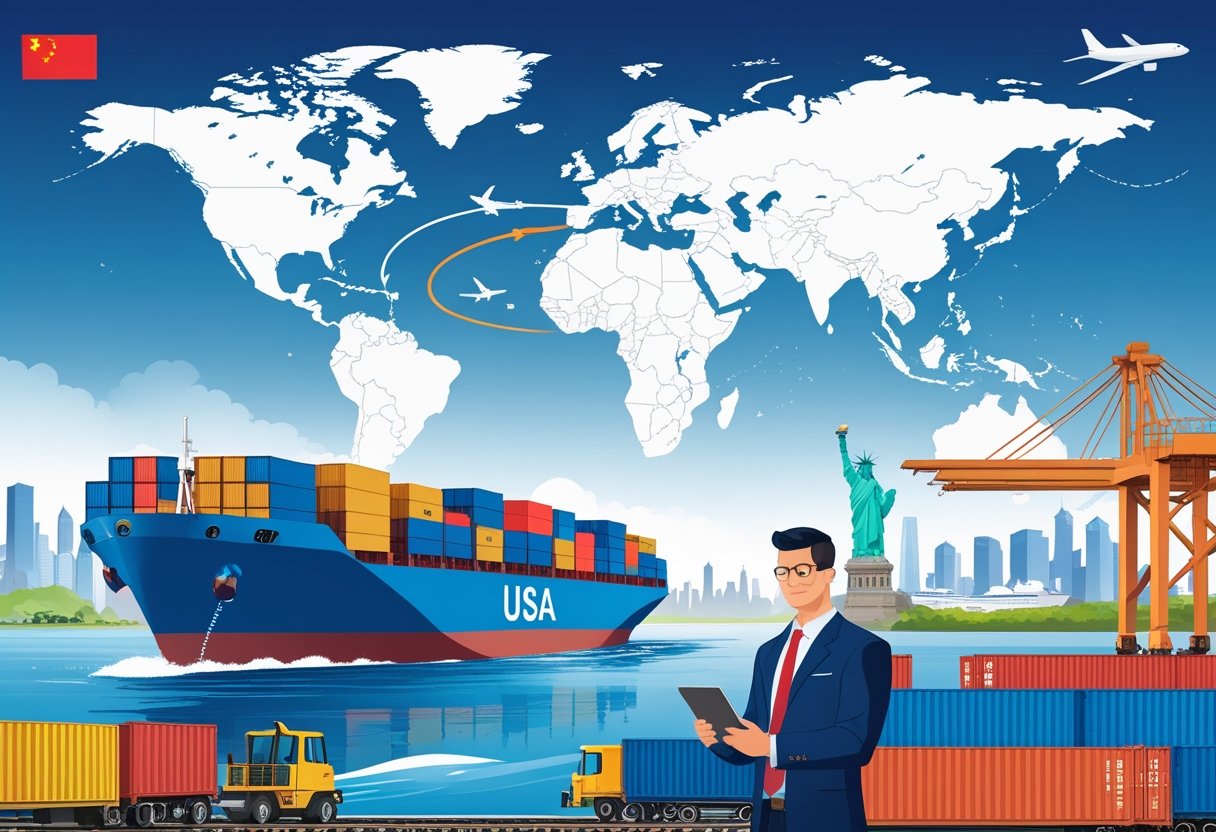
A cargo ship carrying containers sailing from China to the USA with landmarks from both countries and symbols of shipping and security.

If you’re looking to ship from China to US, picking the right freight forwarder China to USA can make or break your entire shipping experience. This choice affects everything—from customs paperwork and cargo tracking to delivery schedules and negotiating rates with carriers.

Freight Forwarder China to USA: How to Ensure Safe, Cost-Effective Shipping

Your forwarder handles customs paperwork, tracks your cargo, and manages delivery schedules. They also negotiate rates with carriers and step in to solve problems when delays pop up.

Key Services to Look For:

  • Customs clearance and documentation handling
  • Door-to-door delivery options for complete convenience
  • Real-time tracking and communication updates
  • Insurance coverage for cargo protection

Freight forwarders work with transport companies to ensure safe delivery and handle carrier contracts. They negotiate competitive pricing for your shipments, so you don’t have to.

Cost Factors to Consider:

Shipping Method Container Size Average Cost Range
Ocean Freight FCL 20FT $1,800 – $2,800
Ocean Freight FCL 40FT $2,500 – $4,200

Ocean freight shipping times usually fall between 15 and 35 days. Your forwarder should give you clear timelines and backup plans for delays—because, let’s face it, things happen.

Pick forwarders who know the China-USA route inside out. Always check their customs expertise and ask about their local partner networks.

What Exactly is a Freight Forwarder? More Than Just a Mover

freight forwarder is a logistics expert who connects your business with transportation companies. Instead of moving your products themselves, they act as your shipping coordinator.

These companies don’t own cargo ships or planes. They rely on their connections and experience to plan your shipment’s journey from start to finish.

Freight forwarders serve as intermediaries who handle the complex process of getting your goods from point A to point B. It’s not always simple, but that’s their job.

Core Services You Can Expect:

  • Multi-modal Transport Planning – They arrange movement by ocean, air, truck, and rail.
  • Documentation Management – They handle all paperwork and compliance.
  • Storage Solutions – Need a warehouse? They sort that out too.
  • Risk Protection – They help you get insurance for your cargo.
  • Strategic Guidance – You get advice on the best shipping methods for your needs.

Your forwarder becomes your main point of contact throughout. They talk to shipping lines, airlines, trucking companies, and customs—so you don’t have to. This saves you time and keeps things from spiraling into chaos across time zones.

Why You Can’t Afford to Go It Alone: The Value of a Professional Forwarder China to USA

A businessperson stands before a world map showing a shipping route from China to the USA, surrounded by cargo ships, airplanes, trucks, and landmarks representing both countries.

Trying to manage international shipping or ship from China to US without an expert forwarder? That’s risky. Cross-border trade gets complicated fast, and mistakes can get expensive—sometimes painfully so.

Expert Knowledge of Complex Rules

Customs regulations seem to change every time you blink. Professional forwarders keep up with these shifts and handle all the paperwork, from security filings to customs forms. This saves you from delays and ugly penalties.

Better Pricing Through Established Relationships

Forwarders constantly negotiate rates with carriers. Thanks to their relationships and volume, they snag better prices than most individual shippers could ever hope for. You get the benefit, even if you’re not shipping huge loads.

Time Savings for Your Business

Coordinating international shipments eats up hours—endless calls, emails, and forms. A professional freight forwarder takes care of all that, so you can actually run your business.

Protection Against Problems

When things go wrong—and they will—experienced forwarders have backup plans. They know which ports to avoid during peak times and can reroute shipments if delays hit. Their network keeps your goods moving, even when the unexpected happens.

Complete Risk Management

Professional forwarders arrange the right insurance and choose proper packaging. They’ve seen it all and know how to protect your cargo on the long haul from China to the US.

Transportation Methods: Selecting Air, Ocean, and Courier Services for Freight Forwarder China to USA

Sea Transport: Global Commerce Foundation for Ship from China to US

Sea transport is still the cheapest way to move big shipments when you ship from China to US. Most global trade depends on ocean freight, especially for businesses moving lots of goods.

Container Options:

Service Type Container Size Best For Volume Requirement
Full Container 20ft, 40ft Large shipments 15+ cubic meters
Shared Container Partial space Smaller loads Under 15 cubic meters

Full container service gives you the whole container, so your goods travel alone. It’s more secure and usually clears customs faster, since you skip the extra consolidation step.

Shared container service lets you pay just for the space you use. Other importers fill up the rest, which is great if you don’t have a massive shipment.

  • Transit Duration: 25-40 days port-to-port
  • Ideal Items: Heavy machinery, furniture, bulk materials, or large consumer goods

Aviation Cargo: Priority Speed Solutions for Freight Forwarder China to USA

Air freight costs more than ocean, but it’s way faster. Companies go this route when they can’t wait weeks for delivery or when the cargo is high-value.

If your goods are valuable or time-sensitive, the extra cost often makes sense. Sometimes, speed is everything—especially if you’re trying to avoid stockouts or production delays.

  • Transit Duration: 5-10 days airport-to-airport
  • Ideal Items: Electronics, medical supplies, fashion samples, urgent repair parts

Courier Services: Immediate Small Package Delivery for Ship from China to US

Courier companies like DHL, FedEx, and UPS shine when you need small packages delivered fast. They offer door-to-door service, but the price jumps quickly for anything bigger than a few samples.

Express courier works best for documents or tiny shipments where speed matters most. For regular business freight, though, the costs just don’t add up.

  • Transit Duration: 3-7 days door-to-door
  • Ideal Items: Documents, product samples, lightweight and valuable items

The Step-by-Step Process of Shipping with a Freight Forwarder China to USA

Shipping with a freight forwarder China to USA or if you want to ship from China to US, involves six main steps. Each one needs its own paperwork and attention to detail—or things get messy fast.

Getting Started with Your Shipment

You reach out with your cargo details—weight, size, type. The forwarder gets back to you with a full price breakdown that covers every cost, from shipping to handling and extras.

Arranging Pickup and Booking Transport

Once you accept the quote, your forwarder books space with shipping lines or airlines. They organize pickup from your supplier and manage the handoff. No more juggling vendors on your end.

Managing Export Procedures

The forwarder’s local team sorts out export paperwork at the origin. They make sure your goods are loaded and packed securely for the chosen transport. You’ll get tracking info so you can follow the journey.

Handling Import Requirements

While your cargo moves, customs brokers prepare import documents for US clearance. They submit everything to customs before arrival, so your shipment doesn’t get stuck. When cleared, your goods head out by truck to your final address.

Working with a freight forwarder China to USA—or to ship from China to US—means you get professional handling at every stage. It’s not always smooth sailing, but with the right partner, you stand a much better chance of success.

How to Select the Right Freight Forwarder for China to USA Shipping

Looking to ship from China to US? Picking the right freight forwarder for China to USA shipping makes a world of difference. Your choice affects shipping costs, timelines, and how smoothly your supply chain runs.

There are a lot of logistics partners out there, but not all are created equal. Let’s break down what really matters for shipping from China to US.

Experience and Trade Lane Knowledge

Find companies that know the China-USA route inside out. These experts understand port operations, carrier relationships, and the headaches that can pop up with international shipping.

Choosing the best freight forwarder helps you breeze through customs and dodge delays. You want a team that’s seen it all before.

Service Range and Capabilities

Does your forwarder handle every part of the process? Here’s what to check for:

Service Type Why It Matters
Air and ocean freight Gives you flexibility for any cargo
Customs clearance Keeps you compliant and out of trouble
Warehousing Lets you store goods when needed
Insurance coverage Protects your shipment

Clear Communication Standards

Ask for quotes that break down every fee. When you ship from China to US, transparency is crucial to avoid surprises on your bill.

Global Network Presence

Does your forwarder have offices or trusted partners in both China and the US? Local support speeds up problem-solving and keeps your shipment moving.

Technology Integration

Modern forwarders offer digital tools for tracking, paperwork, and analytics. These platforms give you more control over your shipments.

Understanding the Costs: What Goes Into Your Shipping Quote?

Ever wonder what’s behind a freight forwarding quote when you ship from China to US? Each fee impacts your total shipping cost in different ways.

Ocean Shipping Components:

  • Base freight fee – The main charge from the shipping line
  • China departure costs – Terminal handling, export paperwork, and processing
  • US arrival fees – Port charges, customs, and bonds
  • Land transport – Trucking from port to your door
  • Government fees – Taxes and duties on your products

Air Shipping Elements:

  • Air transport charge – Based on weight or size
  • Variable surcharges – Fuel, security, and other fluctuating fees
  • Handling charges – Airport processing fees

Your shipping method—air or ocean—decides which fees you’ll see. Knowing what’s included stops surprise costs later.

Get itemized quotes from several providers. Good freight companies show every charge, so you can compare apples to apples and find the best value for your China to USA shipping.

Critical Documentation for a Smooth Customs Clearance

Shipping from China to US means paperwork. If you miss something, your cargo could get stuck at the border for weeks.

Your freight forwarder helps, but you need to give them the right info. Here’s what you’ll need:

  • Commercial Invoice: Lists what you’re shipping and its value
  • Packing List: Details what’s in each box, with weights and sizes
  • Bill of Lading or Air Waybill: Your contract and proof of ownership
  • Certificate of Origin: Shows where your goods were made
  • ISF Filing: Must reach US Customs 24 hours before loading in China

Double-check every document before you ship from China to US. Incomplete paperwork leads to customs holds, fees, and headaches you don’t need.

Main Shipping Issues and How Quality Forwarders Provide Solutions

Importing from China to USA isn’t always smooth sailing. Problems can pop up and throw off your whole schedule.

Key Problems You May Encounter:

• Traffic jams at shipping terminals – Busy ports mean longer waits
• Documentation errors – Wrong paperwork? Your shipment sits
• Rising fees – Extra charges can show up mid-shipment
• Product damage – Rough handling can ruin your goods

A solid freight partner helps you dodge these pitfalls. They’ll plan ahead, pick the right ports, and prep your paperwork to keep things moving.

Your forwarder should warn you about possible extra costs. They’ll also advise on packaging so your products survive the journey from China to US intact.

Common Questions About Freight Forwarding from China to the USA

How long does shipping take from China to America?

Ocean freight usually takes 25 to 40 days, door to door. Air freight is quicker—think 5 to 10 days total. But weather, port delays, and busy seasons can stretch those numbers.

What should you look for when comparing shipping quotes?

Don’t just chase the lowest number. Some quotes include customs clearance, others don’t. Always look at the breakdown—hidden fees can turn a cheap quote into an expensive mistake.

How do you choose the right freight forwarder?

Pick companies that specialize in China to USA shipping routes. Ask about their customs know-how, tracking options, and communication style. The right partner makes shipping from China to US less stressful.

What documents do you need for shipping?

You’ll need commercial invoices, packing lists, bills of lading, and sometimes import permits. Requirements can change depending on what you’re shipping.

Building Strategic Alliances for Success in China to USA Shipping

When you work with a skilled freight forwarder for China to USA shipping, they become part of your team. They’re not just a vendor—they’re an ally for every shipment.

Your shipping partner should bring these to the table:

  • Expert guidance on shipping methods and costs
  • Help with documentation so customs doesn’t trip you up
  • Clear communication—no ghosting, no confusion
  • Reliability—your deliveries show up when you expect

Focus on forwarders who know the ins and outs of shipping from China to US. Their experience can save you time, money, and plenty of headaches.

Choosing the best freight forwarder is about more than price. Look at their track record, services, and ability to handle your unique needs. Honest pricing and skilled customs support matter.

Your business depends on finding a partner who gets your goals and delivers results, shipment after shipment.

Common Questions About China to USA Freight Services

What Do You Pay for Shipping Services from China to America?

For sea freight, shipping a 20-foot container from China to US usually runs $1,500 to $4,000. A 40-foot can be $2,500 to $6,000.

Air freight is pricier—expect $3 to $8 per kilo, and it goes up in peak seasons.

Shipping Method Cost Range Best For
Ocean freight $1,500-$6,000 per container Big, non-urgent shipments
Air cargo $3-$8 per kg Urgent or valuable goods
Express delivery $15-$25 per kg Small, fast shipments under 70 lbs

Final price depends on fuel, demand, and port congestion. Door-to-door services cost more but handle everything for you.

How Do You Find a Reliable Shipping Company for China-USA Routes?

Check for proper licenses and NVOCC registration. Experience on the China-USA route is a must.

Key qualities to verify:

  • Years shipping from China to US
  • Offices in both countries
  • Insurance for your cargo
  • Upfront pricing—no hidden fees
  • Real customer reviews

Ask about their partner network. Specialized freight forwarders often give better service than generalists.

Get quotes from a few companies and compare what’s included—not just the price.

What Makes Your Shipping Costs Go Up or Down?

Weight and size matter most. Ocean charges by the container, air by real or volumetric weight—whichever’s higher.

Destination also changes your rate. Shipping to the West Coast is cheaper than to the East Coast.

Seasons play a big role:

  • Chinese New Year: Higher rates, longer waits
  • Peak shopping season: More demand, higher prices
  • Holidays: Space gets tight

Other cost drivers:

  • Fuel surcharges
  • Currency swings
  • Port congestion
  • Customs duties and taxes
  • Insurance coverage

Shipping from China to US is full of variables—tariffs, customs, and logistics all impact your bottom line.

How Do You Figure Out Cost Per Kilogram for Air Shipping?

Shipping from China to US? You’ll want to nail down your cost per kilogram before you book a flight for your goods. This is crucial whether you’re using air freight, sea freight, or any other way to ship from China to US.

Step 1: First, get your cargo’s actual weight in kilograms.

Step 2: Next, calculate volumetric weight. Use this formula:

(Length × Width × Height in cm) ÷ 6,000 = Volumetric weight in kg

Step 3: Airlines charge you based on whichever weight is higher.

Example calculation:

  • Let’s say your box measures 50cm × 40cm × 30cm.
  • Volumetric weight: (50 × 40 × 30) ÷ 6,000 = 10 kg.
  • Actual weight: 8 kg.
  • Chargeable weight: That’s 10 kg, since it’s the higher number.

If your rate is $5 per kg, total shipping cost is $50. Don’t forget to add fuel surcharges, security fees, and handling charges—those can sneak up on you.

What Should You Look for When Picking a Transpacific Shipping Partner to Ship from China to US?

Service coverage is a big deal. Pick companies that offer both sea and air shipping from China to US. You’ll want options, because sometimes your schedule or budget changes fast.

Technology capabilities are a lifesaver. Real-time shipment tracking and online portals make it way easier to keep tabs on your cargo.

Customs expertise can save you major headaches. A good forwarder handles documentation, duty calculations, and compliance, so you’re not left guessing.

Essential services to check:

  • Cargo insurance options
  • Warehousing and storage facilities
  • Customs clearance assistance
  • Delivery coordination in the USA
  • 24/7 customer support

Reliable freight forwarders keep things transparent and actually support you through the whole process when you ship from China to US.

Check their financial stability, too. A partner that’s been around for years is way less likely to vanish with your shipment.

How Long Does It Take to Ship from China to US?

If you’re planning to ship from China to US, timing matters. Whether you choose ocean shipping or air freight, knowing the typical transit times helps you plan ahead and avoid surprises.

Ocean shipping usually takes about 15-35 days. West Coast ports like Los Angeles see cargo arrive faster than those on the East Coast.

Air freight moves goods in 3-7 days. That includes both the flight and the ground transport to your warehouse or doorstep.

Route Sea Transit Air Transit
China to Los Angeles 15-20 days 3-5 days
China to New York 25-35 days 4-7 days
China to Chicago 20-30 days 4-6 days

What slows down your shipment from China to US?

  • Customs clearance, which can take 2-5 days
  • Port congestion, especially in peak season
  • Bad weather along the shipping route
  • Holiday periods in China or the US
  • Missing or incorrect documentation

If your shipment from China to US is urgent, air freight is the way to go, even if it costs more. But watch out—processing slows way down during Chinese New Year and big US holidays.

Honestly, it’s smart to book early if you’re shipping from China to US during busy times. Space fills up fast, and delays become more likely as demand spikes.

Posted on

Sea Shipping From China To USA: Complete Guide To Ocean Freight Services And Transit Times

A map showing cargo ships sailing across the Pacific Ocean from the coast of China to the coast of the United States, illustrating sea trade routes and shipping volume.

Sea shipping from China to USA drives the backbone of international trade. If you’re moving goods across the Pacific, understanding how ocean freight works can save you time, money, and a whole lot of headaches.

Every year, millions of containers travel this route, making sea shipping from China to USA a global powerhouse for businesses. Let’s dig into how this massive system operates, what you can expect, and why so many companies rely on ocean freight for their supply chains.

When you ship products from China to America, you have several choices. Sea freight handles most of the cargo because it’s usually cheaper for big loads than air freight from China to USA.

Knowing the ins and outs of sea shipping from China to USA helps you make smarter decisions and keep your costs in check.

Key Takeaways

  • Sea shipping from China to USA is the most cost-effective way to move large shipments
  • Transit times and costs vary a lot depending on your options and routes
  • Experienced freight partners can help you handle customs and keep deliveries on track

The Scale of China-USA Trade and Sea Shipping

The trade relationship between China and America stands as one of the biggest in the world. If you check the numbers, ocean freight dominates this route, moving about 85% of all cargo between these two countries.

Sea shipping from China to USA wins out because it’s much cheaper for big shipments. That’s why shipping from China to USA by sea is the go-to for most companies.

Key shipping stats:

  • China is America’s third-largest trading partner
  • Millions of containers cross the Pacific each year
  • Major Chinese ports: Shanghai, Shenzhen, Ningbo

The West Coast handles most of the incoming goods. Los Angeles and Long Beach ports together process over 40% of all container imports to America.

This huge network keeps shelves stocked all over the country. If your products come from China, odds are they made the journey by sea shipping from China to USA.

Top Products Traded: Sea Shipping From China To USA

Key US Purchases from China

The US brings in all sorts of products from China. Electronics and technology products make up over 25% of all US imports from China, easily topping the list.

Technology Products

  • Smartphones and laptops
  • Gaming systems and accessories
  • Computer parts and chips

Manufacturing Equipment

  • Factory machines
  • Power tools
  • Industrial parts

Daily Use Items

  • Furniture and home goods
  • Clothes and shoes
  • Toys and sports equipment
  • Kitchen tools

Main US Sales to China

The US sends fewer products to China, but some are pretty crucial for Chinese buyers.

Farm Products

  • Soybeans and corn
  • Meat and chicken
  • Milk products

Industrial Materials

  • Airplane parts
  • Car components
  • Medicine and medical tools
  • Chemicals for manufacturing

US imports from China hit $462.6 billion in 2024. That’s a massive number, showing just how important sea shipping from China to USA really is.

Why Ocean Shipping Leads China-USA Trade Routes

Budget-Friendly Sea Shipping From China To USA

If you’re moving big loads between China and the USA, ocean freight gives you serious cost savings. Giant container ships haul thousands of containers at once, spreading out the costs.

This huge capacity makes sea freight the top pick for large orders. You get economies of scale, so your per-unit shipping cost drops a lot compared to air.

Sea Shipping Fits Most Trade Goods

Your typical China-USA shipments fit well with ocean schedules:

  • Consumer Electronics: Most electronics don’t mind the longer trip
  • Home Furnishings: Heavy stuff that’s too pricey to ship by air
  • Clothing and Fabrics: Seasonal goods shipped months ahead
  • Manufacturing Equipment: Big machines where cost beats speed

These products form the backbone of sea shipping from China to USA for most businesses.

Sea Shipping Supports Inventory Planning

Most importers from China plan ahead and keep some extra stock. Ocean shipping’s 30-40 day window actually works out fine for companies that order in advance.

You can keep inventory steady while still saving money with sea shipping from China to USA.

Sea Shipping From China To USA: Transit Times and Delivery Options

Regular Ocean Freight: 30-40 Days

If you use standard ocean shipping from China’s main ports to the US, expect transit times of 30-40 days for full door-to-door delivery.

Here’s how the timeline usually breaks down:

  • Ocean crossing: 14-18 days port to port
  • Customs clearance: 2-5 days
  • Domestic delivery: 5-10 days to your door

This option works for regular shipments where you don’t need things in a hurry.

Express Sea Shipping: 20-25 Days

If you need it faster but don’t want to pay for air, express ocean services are a good middle ground. These premium options speed things up by:

  • Faster vessel priority
  • Streamlined port operations
  • Quicker customs processing
  • Priority inland transport

Express sea shipping from China to USA helps when time matters, but you still want to avoid the big price tag of air freight.

Understanding Sea Shipping Costs From China To USA

What Impacts Sea Shipping From China To USA Pricing?

Your shipping cost from China to USA depends on a handful of things.

Container Type

  • FCL shipping: Best for big loads that fill a container
  • LCL shipping: Share space if you have less cargo
  • Volume threshold: If you’re over 15-20 cubic meters, FCL usually wins

Market Timing

Busy seasons from August to October push rates up by 20-50%. Prepping for holidays or harvests means higher demand and higher prices.

Economic Factors

Fuel surcharges and worldwide shipping capacity affect your costs. When demand jumps and there aren’t enough ships, prices rise.

When Sea Shipping From China To USA Makes Sense

Ocean freight is the clear winner when you’re shipping over 200 kilograms. The bigger the load, the more you save:

  • 500kg+: 60-70% cheaper than air
  • Full containers: Up to 80% savings for huge shipments
  • Heavy goods: Ocean freight handles weight better than air

Delivered duty paid (DDP) options can make life easier by including customs and delivery in one price.

Sea Shipping From China To USA: Recent Trends (2023-2024)

Shipping Volume Updates

After booming in 2021-2022, sea shipping from China to USA dropped by 11.9% in 2023. That’s mostly due to the economy cooling off and supply chains settling down.

Booking volumes from China to the US stayed below last year’s numbers, but activity stayed steady through Q3.

Major Port Upgrades

Key ports like Los Angeles, Long Beach, and Savannah got big upgrades and more automation lately. That means faster cargo handling and less waiting around for ships—something every importer can appreciate.

These improvements help you get your goods quicker with sea shipping from China to USA.

Environmental Initiatives in Sea Shipping From China To USA

Ocean carriers now slow ships down and use cleaner fuels for your shipments. Sure, it can add a day or two to transit, but it’s a win for the environment and for businesses that care about sustainability.

Choosing a Sea Shipping Partner for China to USA

Picking the right partner for your sea shipping from China to USA makes all the difference. A good freight forwarder helps you avoid hassles and control your costs.

Trans-Pacific Shipping: What to Know Before You Ship

Trans-Pacific shipping is a huge part of modern global trade, especially for businesses moving goods between China and the USA. But let’s be honest, ocean freight can feel like a maze of paperwork, costs, and ever-changing rules.

Whether you’re new or just trying to make your supply chain smoother, understanding the basics of trans-Pacific shipping is crucial. Let’s break down what actually matters for your business—and what you can skip.

Key Services for Trans-Pacific Shipping

Your freight forwarder needs to support you in several important areas.

Documentation and Compliance

  • They’ll handle Import Security Filing and bond services.
  • They manage tariff codes, duty calculations, and all the paperwork to keep your shipment moving.

Network Coverage

  • Good forwarders have strong ties at Chinese shipping ports.
  • They also offer US port operations, inland transport, and even storage or fulfillment centers.

Additional Support Services

  • E-commerce fulfillment—prepping and delivering your products.
  • Quality assurance—think product inspections and checks.
  • Protection coverage—risk management for your supply chain.

Optimizing Ocean Shipping for Your Company

Trans-Pacific Shipping: Strategic Preparation Methods

Planning ahead is everything if you want your international logistics and ocean freight to work for you.

Stock Management Approach

  • Build up your inventory for those 30-40 day shipping windows.
  • Expect delays during busy seasons and keep some buffer stock so you don’t run out.

Timeline Coordination

Schedule deliveries to arrive before your main selling periods. Holiday and seasonal goods need extra lead time, no way around it.

Protection Strategies

Don’t skip risk management—here are a few basics:

Strategy Benefit
Cargo insurance Financial protection if something goes wrong
Experienced forwarders They know how to handle surprises
Multiple shipping routes Gives you backup options

Your freight partner should help you deal with port congestion and weather delays. It’s part of the job.

Why Choose Professional Sea Freight Services

International shipping isn’t simple. You’ll run into challenges that really need specialized know-how.

Professional freight companies take care of regulatory compliance and customs requirements, so you don’t have to memorize every rule.

They’ll coordinate between ocean carriers, ports, and inland transport. That means your commercial invoice, bill of lading, certificate of origin, and packing list all get handled right.

They also help you find the best routes and service levels to save money. Knowing the right HS codes and classifications can speed up customs and cut costs.

Ocean transport has its risks. Professional freight forwarders step in with risk management, insurance, and backup plans for delays.

Professional sea freight services give you access to solid networks and industry contacts. That expertise can keep your supply chain running and your costs in check.

Common Questions About China-USA Trade

Trans-Pacific Shipping: Top Import Categories

Which products make up the largest import category from China?

Electronics and tech items account for over 25% of all U.S. imports from China. It’s no contest—tech dominates this trade lane.

Trans-Pacific Shipping: Ocean vs. Air

How much trade between China and America uses ocean shipping?

Roughly 85% of goods travel by sea. Air freight is mostly for valuables or urgent shipments.

Trans-Pacific Shipping: Trade Values

What is the total trade value between China and the USA each year?

In 2023, the two countries traded about $575 billion in goods. That’s a seriously large number, putting this route among the world’s biggest.

Trans-Pacific Shipping: Ocean Freight Savings

How much money can you save using ocean freight over air shipping?

If your shipment is over 200kg, you might save 60-80% by choosing sea freight. Full containers save you the most.

Trans-Pacific Shipping: Best for Bulky Items

What shipping method works best for furniture and big consumer items?

Ocean freight, with Full Container Load (FCL) or Less than Container Load (LCL), is the way to go for these. Lower costs help you stay competitive.

Frequently Asked Questions

Trans-Pacific Shipping: What Documentation and Rules Do You Need for Ocean Freight from China to America?

You’ll need several documents to ship by sea from China to the US. Your commercial invoice should list the value, quantity, and description of your products. The packing list details how items are packed and their weights.

Your bill of lading acts as your receipt and contract with the shipping company. You’ll also need a certificate of origin to prove where your goods come from.

For customs clearance, bring these:

  • Import licenses for restricted goods
  • FDA registration for food or medical items
  • FCC certification for electronics
  • Safety certificates for specific consumer products

Your goods must meet U.S. import regulations and safety standards. Some products have extra hoops to jump through, depending on their type.

Trans-Pacific Shipping: What Do Current Ocean Shipping Prices Look Like from China to America?

Sea freight rates from China to USA depend on container size, route, and the market. Full container loads cost less per unit than sharing a container.

20-foot container (TEU): $1,500 – $4,000

40-foot container (FEU): $2,200 – $6,500

40-foot high cube: $2,400 – $7,000

Rates change all the time—fuel prices, demand, and the season all have an effect. Prices usually spike before Chinese New Year.

Other fees you’ll run into:

  • Terminal handling
  • Documentation
  • Customs clearance
  • Final delivery

Trans-Pacific Shipping: How Long Does Sea Transport Take from China to the United States?

Transit times for sea shipping depend on which ports you use. West Coast ports get your cargo faster than the East Coast.

West Coast Delivery Times:

  • Los Angeles/Long Beach: 12-16 days
  • Oakland: 13-17 days
  • Seattle/Tacoma: 14-18 days

East Coast Delivery Times:

  • New York/New Jersey: 25-35 days
  • Miami: 28-38 days
  • Savannah: 26-36 days

Weather, port backups, and customs can add days. During peak times, expect a 3-7 day delay.

Trans-Pacific Shipping: What Does Container Shipping Cost from China to the USA?

Your total container shipping bill includes the ocean freight rate plus a bunch of extras. Complete shipping costs add up quickly.

Base Container Rates:

Container Size Price Range
20ft Standard $1,500 – $4,000
40ft Standard $2,200 – $6,500
40ft High Cube $2,400 – $7,000

Additional Costs:

  • Origin charges: $200 – $600
  • Destination charges: $400 – $1,200
  • Customs clearance: $150 – $500
  • Inland delivery: $300 – $1,500

Most businesses pay somewhere between $3,000 and $10,000 per container, depending on size, destination, and what services you need.

Trans-Pacific Shipping: Which Ocean Carriers Provide Top Service for China to USA Routes?

Several big shipping lines run regular routes between China and the US. They offer solid schedules and cover a lot of ports.

Major Shipping Lines:

  • COSCO Shipping: Great China network, competitive prices
  • Evergreen Marine: Strong West Coast presence
  • Yang Ming: Reliable for both coasts
  • ONE (Ocean Network Express): Modern ships, good tracking
  • Hapag-Lloyd: Premium service options

Choosing Your Carrier:

  • Check transit times to your port
  • Look at schedule reliability
  • Review tracking systems
  • See how their customer service is
  • Consider extra services

How Can You Locate Budget-Friendly Sea Shipping Options from China to America?

Looking for budget-friendly sea shipping from China to America? It’s not as tough as it sounds, but you do need to know where to look—and what to compare.

Affordable sea freight options aren’t just about chasing the lowest base rate. There are lots of moving parts, and smart planning can trim your total shipping costs more than you might expect.

Cost-Saving Strategies for Budget-Friendly Sea Shipping:

  • Book LCL shipments if your cargo isn’t huge. LCL lets you pay for just the space you use, which is great for smaller loads.
  • Pick slower transit times if you’re not in a rush. Slower ships often mean cheaper rates.
  • Stay away from peak seasons when everyone’s scrambling to ship. Rates spike, so ship off-peak if you can swing it.
  • Consolidate shipments to fill containers all the way. If you can team up with someone else or bundle your own orders, you’ll usually pay less per unit.

Comparison Tips for Budget-Friendly Sea Shipping:

  1. Ask a few freight forwarders for quotes. Prices really do vary.
  2. Look at the total delivered cost, not just the ocean rate. Sometimes the extras add up fast.
  3. Some port pairs just work out cheaper. It’s worth checking a few options if your route is flexible.
  4. Ship regularly? Ask about volume discounts. Many companies offer better deals if you commit to more shipments.
  5. If you’re in it for the long haul, negotiate those contract terms. You can sometimes lock in better rates.

Booking Timing for Budget-Friendly Sea Shipping:

  • Try to book 2-3 weeks ahead. Early birds usually get better deals.
  • Skip Chinese holidays and the big rush seasons. Rates go up and space gets tight.
  • Keep an eye on rate trends. If you see prices dropping, it might be worth waiting a bit.
  • Got some wiggle room on your departure date? Flexibility can save you money.
Posted on

Cargo from China to USA: Shipping Methods, Costs, and Process

A cargo ship carrying containers sails across the ocean with a map showing the route from China to the USA, alongside a port with cranes and a cargo airplane flying overhead.

Shipping cargo from China to the USA is a massive undertaking—one that shapes global trade, business profits, and even your own stress levels. The cargo from China to USA trade lane stands as one of the busiest, with US container imports reaching 28.2 million TEU in 2024.

If you’re moving cargo from China to USA, you’ll typically pay $2-$8 per kilogram for air freight and $2,000-$8,000 for a full container by sea. These numbers jump around depending on your shipment size, destination, and chosen shipping method.

Picking the right shipping method can make or break your margin, delivery speed, and how happy your customers end up. The details—like transit times, customs headaches, and which freight forwarder you trust—all play a part in your final landed cost.

Key Takeaways

  • Ocean freight is the cheapest way to move cargo from China to USA for shipments over 500 kg. Express shipping works better for packages under 150 kg.
  • Your total cost covers freight rates, customs duties, insurance, and last-mile delivery—there’s more to pay than just the base shipping fee.
  • Experienced freight forwarders can help you dodge customs issues, handle paperwork, and avoid delays that cost you real money.

Shipping Methods for Cargo from China to USA

Illustration showing a cargo ship, airplane, and freight train transporting containers between China and the USA across the ocean.

When you’re shipping cargo from China to USA, you’ve got three main options. There’s sea freight (FCL or LCL), air freight for quick delivery, and door-to-door services that take care of the whole journey.

Each method has its own price, speed, and quirks. What works for one shipment might not fit the next.

Sea Freight: FCL and LCL Cargo from China to USA

Sea freight is usually the most affordable way to ship cargo from China to USA. You can pick Full Container Load (FCL) or Less than Container Load (LCL) depending on how much you’re moving.

FCL shipping means you get the whole container to yourself. A 20-foot container costs $1,800-$3,000 to West Coast ports, and a 40-foot runs $2,500-$4,200.

FCL is best if you’ve got enough cargo to almost fill the container. Otherwise, you’ll pay for empty space.

LCL shipping lets you share a container with other shippers. You pay for the space your stuff takes up—usually $40-$80 per CBM.

LCL works for smaller loads that don’t need a full container. It’s a popular pick for new importers or sample shipments.

Transit times for sea freight usually fall between 15-25 days to West Coast ports and 25-35 days to East Coast destinations. Shanghai, Ningbo, and Shenzhen send out ships regularly to Long Beach, Seattle, and Newark.

Air Freight Shipping Cargo from China to USA

Air freight gets your cargo from China to USA in 3-7 days. Average rates hover around $6.50 per kilogram for shipments over 100kg.

This method is best for urgent, medium-weight, or valuable items. Think electronics, fashion, or pharmaceuticals—stuff you can’t wait a month for.

Air freight costs more than sea freight, but you buy back weeks of your life. Sometimes, that’s worth every penny.

Customs clearance usually goes faster by air. Airports move less cargo than seaports, so most air shipments clear in 1-2 days after landing.

Door-to-Door and Multimodal Cargo from China to USA

Door-to-door services do the whole job—pickup in China, delivery in the USA, and everything between. They often mix and match shipping methods for the best route.

Your freight forwarder handles pickup, export paperwork, main transport, customs, and final delivery. Transit time lands between 8-15 days depending on the route and mode.

Door-to-door shipping usually costs $12-$20 per kilogram, with minimums of $150-$300. You pay for the ease of letting someone else sweat the details.

Multimodal services often combine sea freight for the longest leg and trucking for the final stretch. This can save money and reach inland destinations more easily.

Costs and Pricing Factors for Cargo from China to USA

A cargo ship carrying containers sailing between China and the USA, with a map showing both countries and icons representing factories, ports, and pricing factors like weight, fuel, and currency.

Shipping costs from China to the USA in 2025 sit at $2-8 per kilogram by air and $2,000-8,000 per container by sea. Your total freight costs depend on more than just the base rate—surcharges and handling fees can sneak up on you.

Shipping Cost Breakdown for Cargo from China to USA

Your shipping quote usually has five main parts. Origin charges cover pickup, export docs, and warehouse handling in China.

Main freight is the actual shipping fee—by sea, air, or express courier. It’s usually the biggest part of your bill.

Destination charges pay for US customs clearance, port handling, and delivery to your door. These fees change by city and service level.

Cost Component Typical Range What’s Included
Origin charges $200-500 Pickup, export docs, consolidation
Main freight $2-8/kg air, $2,000-8,000/container Transportation cost
Destination charges $300-1,500 Customs, handling, delivery
Surcharges 10-30% of base rate Fuel, security, peak season
Insurance 0.1-0.3% of value Cargo protection

Insurance covers you if something goes wrong. Most forwarders offer it for 0.1-0.3% of your cargo’s declared value.

What Affects Freight Rates for Cargo from China to USA?

Weight and volume drive your price—carriers use “dimensional weight” and charge for whichever is higher. If your cargo is light but big, you’ll pay for the space it takes up.

Distance and route matter too. Shipping to Los Angeles usually costs less than going all the way to New York or Miami.

Cargo type can change the rate. Electronics, textiles, and machinery all get different handling and pricing.

Peak season creates big price jumps. Rates can spike 30-50% from August to October, and again around Chinese New Year.

How fast you need your cargo from China to USA decides your options. Express costs 2-3 times more than sea freight, but arrives in a week instead of a month.

Hidden and Extra Charges for Cargo from China to USA

Fuel surcharges add 10-25% to your freight bill. They move up or down with oil prices and hit all shipping types.

Terminal handling charges at ports usually run $100-400 per container. Busy ports sometimes add congestion fees during rush periods.

Documentation fees for customs, bills of lading, and certificates cost $50-200 per shipment. DDP shipping rolls these into the total price.

Peak season surcharges can tack on $500-2,000 per container. Security, inspections, and detention for late returns all mean extra costs.

Currency adjustments and bunker charges often show up as extra line items. Always ask for detailed quotes so you know what you’re really paying for your cargo from China to USA.

Understanding Incoterms and Shipping Terms for Cargo from China to USA

Incoterms spell out who pays what when you’re importing cargo from China to USA. FOB gives you control over ocean freight, CIF means the supplier covers insurance, and DDP puts the whole job in the seller’s hands—including delivery to your door.

FOB (Free on Board) is the go-to choice for most importers. Your supplier brings the goods to the Chinese port and loads them up.

Once it’s on the ship, you’re in charge. You pay for ocean freight, insurance, and everything from the Chinese port to your US address.

CIF (Cost, Insurance, and Freight) works differently. The supplier pays to ship and insure your cargo to the USA port.

Risk passes to you when the cargo loads in China. The supplier covers the main shipping and minimum insurance, but you handle the rest after arrival.

DDP (Delivered Duty Paid) is the all-inclusive option. The seller manages everything, including customs and delivery to your door.

Your supplier pays for shipping, import duties, and taxes. You just wait for the goods to show up—no paperwork, no surprise fees.

Shipping from China to USA: A Practical Guide

Shipping from China to USA is a big deal for importers, whether you’re running a startup or managing a massive enterprise. There’s a lot to figure out, from Incoterms to customs clearance, and the choices you make can seriously affect your costs and delivery times.

Let’s break down the essentials you need to know for smooth China-to-USA shipping.

Choosing the Right Incoterm for Shipping from China to USA

Choose FOB when you want control over shipping costs and timing. This term works best if you have an established freight forwarder or good shipping rates.

FOB gives you flexibility to select carriers and shipping schedules. You can also pick your preferred insurance coverage levels.

Select CIF if you prefer your supplier to handle ocean freight but want some cost predictability. This option works well for smaller shipments or if you’re new to shipping from China to USA.

Your supplier arranges transportation, but you still handle USA customs and inland delivery. CIF comes with basic insurance, though you might want extra coverage for peace of mind.

Pick DDP for complete convenience when importing high-value or complex products. Your Chinese supplier takes on responsibility for USA import procedures and delivery.

This term eliminates your customs paperwork and reduces your risk. Still, DDP typically costs more since suppliers add margins to cover their extra responsibilities and possible delays.

Freight Forwarders and Shipping from China to USA

Freight forwarders are your main connection between Chinese suppliers and US delivery points. They handle the tricky shipping tasks and customs requirements that come with shipping from China to USA.

Choosing the right logistics partner can seriously affect your shipping costs, delivery times, and overall supply chain performance.

Freight Forwarders’ Role in Shipping from China to USA

Freight forwarders arrange cargo movement by coordinating with carriers, handling documentation, and ensuring compliance. They act as your logistics partner from factory pickup in China to final delivery in the USA.

Your freight forwarder manages multiple shipping methods, including air freight, sea freight, and express delivery. They negotiate rates with airlines and shipping lines to get you better pricing than you’d likely find on your own.

Key services include:

  • Customs clearance and documentation
  • Cargo insurance and risk management
  • Warehousing and consolidation
  • Door-to-door delivery coordination
  • Real-time tracking and updates

International logistics partners also handle complex customs procedures. They prepare commercial invoices, packing lists, and certificates of origin required by US Customs and Border Protection.

Many forwarders offer DDP (Delivered Duty Paid) services. With DDP, they handle all costs and responsibilities until your cargo reaches your specified US location.

How to Choose a Reliable Shipping Partner from China to USA

Finding reliable freight forwarders from China to USA means checking their experience, services, and track record with shipments like yours.

Check their licensing and certifications first. Valid freight forwarders have proper licenses from Chinese and US authorities. Look for NVOCC (Non-Vessel Operating Common Carrier) registration in the US.

Evaluate these factors:

  • Experience: Years handling China-US routes
  • Network: Partnerships with major carriers
  • Technology: Online tracking and communication systems
  • Pricing: Transparent rates without hidden fees
  • Customer service: Response times and problem resolution

Ask for references from other businesses shipping similar products. Reach out to these references and ask about delivery performance, communication quality, and how they handle problems.

Compare quotes from at least three different forwarders. Make sure each quote includes the same services and delivery terms so you’re comparing apples to apples.

Test their communication skills right from the start. Your logistics partner should respond quickly and explain shipping processes and possible challenges clearly.

Customs Clearance and Regulatory Compliance for Shipping from China to USA

Moving cargo from China to the USA means completing export procedures in China and import clearance at US ports. You’ll also need to calculate import duties and any Section 301 tariffs that apply to your products.

Export Customs Clearance in China

Your Chinese supplier or freight forwarder handles most export customs procedures before your cargo leaves China. They submit an export declaration to Chinese customs with shipment details.

Required documents include the commercial invoice, packing list, and export license if needed. Some products, like electronics or chemicals, need special permits before export.

Chinese customs may inspect your cargo randomly or if certain goods get flagged. This process usually takes a day or two, but it can drag on if your paperwork’s incomplete.

Your freight forwarder should double-check that all Chinese export requirements are met. They’ll also make sure your cargo gets the right customs stamps and clearance certificates for shipping.

Key Export Documents:

  • Export declaration form
  • Commercial invoice
  • Packing list
  • Export permits (when required)
  • Certificate of origin

Import Customs Clearance in the USA for Shipping from China to USA

When your cargo arrives at US ports like New York or Los Angeles, you need to complete import customs clearance procedures. You can hire a customs broker or handle clearance yourself if you’re experienced.

The Importer Security Filing (ISF) must be submitted at least 24 hours before your cargo loads in China. Miss this deadline and you risk penalties up to $5,000 per shipment.

US Customs and Border Protection reviews your entry documents and might select your cargo for physical inspection. Customs clearance usually takes 1-3 business days if all your paperwork checks out.

You need to classify your goods using the right Harmonized Tariff Schedule codes. Get it wrong, and you could face duty adjustments or fines.

Required Import Documents:

  • Commercial invoice
  • Bill of lading or airway bill
  • Packing list
  • Customs bond
  • ISF filing
  • FDA/FCC certifications (if applicable)

Import Duties and Section 301 Tariffs for Shipping from China to USA

Import duties depend on your product’s classification and declared value. Standard duty rates range from 0% to over 30% depending on the product.

Section 301 tariffs add more fees on many Chinese products. These tariffs currently range from 7.4% to 25% on top of regular import duties. Tariff rates can change based on trade policies, so keep an eye out.

You can look up current duty rates using the Harmonized Tariff Schedule database. Enter your product’s HTS code to see both standard duties and any extra Section 301 tariffs.

Some products qualify for duty exemptions or reduced rates under certain trade programs. A good customs broker can help you spot possible savings.

Tariff Calculation Example:

  • Product value: $10,000
  • Standard duty (10%): $1,000
  • Section 301 tariff (25%): $2,500
  • Total duties: $3,500

Insurance, Warehousing, and Risk Management in Shipping from China to USA

Protecting your China-to-USA shipments means getting solid cargo insurance that covers damage, theft, and loss during transit. Smart warehousing in major US ports cuts distribution costs and delivery times, while keeping your inventory safe and organized.

Types and Importance of Cargo Insurance for Shipping from China to USA

Cargo insurance protects your shipments from financial losses during transportation from China to the USA. Rising tariffs on US imports make solid insurance even more important.

All-Risk Coverage gives you the broadest protection for your shipments. It covers physical loss or damage from external causes during transit. Premiums usually run from 0.8% to 2% of your cargo’s insured value.

Named Perils Coverage protects against specific risks only. Covered perils are things like fire, collision, theft, and natural disasters. This option costs 0.3% to 1% of your shipment value but isn’t as comprehensive.

Marine cargo insurance is a must for high-value electronics, machinery, or consumer goods. Comprehensive coverage protects goods during ocean, air, and overland transport.

Your insured value should include the product cost, freight, and insurance charges. Add 10% to 20% extra to cover duties and handling fees.

Warehousing and Storage Solutions for Shipping from China to USA

Strategic warehousing across the USA helps cut your distribution costs and speed up delivery. Major warehouse hubs in Los Angeles, New York, Chicago, Houston, and Miami give you solid coverage for nationwide distribution.

West Coast Warehouses in Los Angeles and Long Beach have the shortest transit times from China. These facilities handle most Asian imports and connect you to key population centers.

East Coast Storage in New York and Miami is perfect for customers on the Atlantic seaboard. These spots are great if you’re targeting East Coast markets or need Amazon FBA preparation services.

Central Distribution Hubs in Chicago and Houston offer balanced coverage for shipping across the US. They usually have competitive storage rates and efficient transportation networks.

Your warehousing plan should factor in inventory turnover, seasonal demand, and customer locations. Most facilities offer extras like pick-and-pack, quality control, and returns processing.

Transit Time and Shipping Schedules for Shipping from China to USA

Shipping times from China to USA range from 1 to 45 days depending on your shipping method and destination. Your shipment’s speed depends on location, size, season, and which shipping mode you choose.

Shipping from China to USA: What to Expect

Shipping from China to USA has become a critical part of global trade. If you’re running a business or just waiting on a package, knowing your options and how long things take can save you a ton of headaches.

Average Transit Times by Shipping from China to USA Method

Express shipping delivers goods fastest, usually in 1-3 days. Big international couriers like DHL, FedEx, and UPS handle these urgent shipments.

Air freight takes about 8-10 days for standard service. If you go with express air freight, you might get your goods in 5-7 days, though it’s pricier. This is a solid choice for medium-sized shipments that need to arrive quickly.

Ocean freight is the slowest, with door-to-door delivery taking 30-40 days. FCL (full container load) shipments move quicker than LCL (less than container load). LCL adds 1-2 weeks since your goods get grouped with others.

Regular post from China Post usually arrives in 1-2 weeks. It’s cheap and works for small packages or samples, but tracking isn’t always reliable.

Method Transit Time Best For
Express 1-3 days Urgent shipments
Air freight 8-10 days Medium shipments
Ocean freight 30-40 days Large, heavy cargo
Regular post 1-2 weeks Small packages

Factors Impacting Shipping from China to USA Delivery Speed

Your departure city matters a lot. Shanghai and Shenzhen usually ship out faster than smaller Chinese ports. Major shipping lanes like Shanghai to Los Angeles are the quickest routes.

Seasonal demand can slow things down, especially around Chinese New Year or during the holidays. Weather sometimes throws a wrench in the works for both air and sea shipments.

Customs clearance is unpredictable. If your paperwork’s in order, things move faster. US Customs pays more attention to shipments with complete documentation.

Port congestion mostly affects ocean freight. Busy ports like Los Angeles often mean longer waits, but air freight doesn’t run into this as much.

Shipment size and type play a role. Hazardous materials go through extra checks, and bigger shipments take more time to handle at both ends.

Frequently Asked Questions About Shipping from China to USA

Sea freight is usually the cheapest way for large shipments, while express couriers are fastest. Shipping costs range from $2-8 per kilogram, depending on your method. Don’t forget, customs duties apply to most imports from China.

What are the cheapest methods for shipping cargo from China to the USA?

Sea freight is the most cost-effective option for shipping from China to USA when you’ve got big or heavy shipments. You can pick Full Container Load (FCL) if you’ve got enough cargo, or Less than Container Load (LCL) for smaller amounts.

FCL gives you a better rate per unit when you fill a container. LCL lets you split space with other shippers, which is great for smaller businesses.

If you combine orders from several suppliers, you can lower your per-unit shipping costs. This trick works well for folks sourcing from multiple places in China.

How much does it typically cost to ship goods from China to the USA per kilogram?

Shipping costs change a lot depending on your method. Sea freight usually runs $2-4 per kilogram for big shipments.

Air freight sits between $4-8 per kilogram, depending on the route and carrier. Express services like DHL, FedEx, and UPS charge $8-15 per kilogram for small packages.

Both weight and volume affect your price. Carriers bill you for whichever is higher: actual weight or dimensional weight.

What is the average transit time for sea freight from China to the USA?

Sea freight from China to the USA usually takes 25-40 days for port-to-port. Door-to-door adds another 3-7 days for pickup and final delivery.

Main routes connect Chinese ports like Shanghai and Shenzhen to Los Angeles and Long Beach. East Coast spots like New York take longer because they’re farther away.

Peak seasons—think Chinese New Year or holidays—can slow things down. Weather and port congestion sometimes cause delays too.

What is the best method for shipping goods from China to the USA by air?

Air freight is your fastest option for urgent shipping from China to USA, typically taking 5-10 days including customs. It’s best for high-value or time-sensitive stuff.

Express couriers like FedEx, DHL, and UPS can get your goods door-to-door in 3-7 days. They handle customs and tracking, but charge more than standard air freight.

Air cargo works well for smaller shipments where you need speed more than savings. You’ll pay more than ocean freight, but your goods show up way faster.

Are there any customs or import fees when receiving packages from China in the United States?

Yes, you’ll pay import duties and taxes on most shipments from China. The US sets import duties using HS codes and product value.

Duty rates depend on what you’re importing, usually between 0% and 25% or more. Some Chinese goods get extra tariffs under current US trade policies.

Customs processing fees and sometimes state sales tax also apply. A customs broker can help you figure out these costs before your shipment arrives.

How has the cargo shipping process from China to the USA changed recently?

Let’s talk about the cargo shipping process from China to the USA, because it’s honestly changed a lot lately. If you’re shipping goods across the Pacific, you’ve probably noticed the difference.

Shipping rates bounce around more than ever, thanks to global supply chain disruptions. Peak season surcharges show up more often, and they seem to stick around longer than anyone would like.

Digital tracking and documentation for cargo shipping from China to the USA have gotten way better. Now you can keep an eye on your shipments in real-time, which is a relief.

Most freight forwarders offer online portals, making it easier to book and track your cargo shipping from China to the USA. It’s not perfect, but it’s a big improvement over the old days of endless emails.

Customs regulations got a lot stricter, too. You need to provide more detailed product descriptions and really nail the valuations.

E-commerce shipments, in particular, face extra checks to keep counterfeit goods out of the US market. It’s a hassle, but maybe it’s necessary?

Posted on

Best China to USA Freight Forwarder: Top-Rated Shipping Services for Reliable International Cargo Transport

Best China to USA Freight Forwarder

Best China to USA freight forwarder — the partner that keeps your goods moving, your costs low, and your stress levels in check.

If you’re searching for the right freight forwarder, you probably want reliability, fair pricing, and someone who can handle all the details—especially if you’re shipping to Amazon FBA. Let’s break down what makes a freight forwarder truly stand out for China to USA shipping.

Best China to USA Freight Forwarder for Amazon FBA Shipments

Major international logistics companies lead the freight forwarding market for China to USA shipments. DHL Global Forwarding covers air and ocean freight with strong FBA integration.

Kuehne + Nagel offers multimodal transport and competitive rates for regular shipments. Expeditors International focuses on supply chain management and customs, using tech to simplify FBA paperwork.

DSV delivers cost-effective ocean freight and usually gets your goods across faster than most. DocShipper caters to Amazon sellers, handling everything from supplier sourcing to FBA delivery and even quality control.

When you’re weighing freight forwarder China to USA Amazon FBA services, check their FBA know-how, warehouse network, and tech integration. You want a partner who gets Amazon’s rules and can connect the dots from China to your US warehouse.

Key Points for Finding the Best China to USA Freight Forwarder

Best China to USA Freight Forwarder

Picking the best China to USA freight forwarder isn’t just about price. You need someone who’s certified, compliant, and knows how to avoid headaches at customs.

Essential Certifications:

  • NVOCC licensing for ocean transport
  • Amazon SPN certification for marketplace sellers
  • ISO quality management standards

Timelines depend on your shipping method. Express delivery gets there in 2-5 days but costs the most. Air freight usually takes 8-12 days. Ocean freight is slowest at 30-40 days but saves you money. Rail transport splits the difference at 18-25 days.

Best freight forwarders from China to USA handle Amazon FBA labeling, packaging checks, and paperwork. That’s how you avoid costly warehouse delays.

Look for forwarders offering extra perks like free consolidation, short-term storage, and compliance checks. Some even help with product sourcing and quality control—huge time-savers, honestly.

Why AEB Logistics Might Be Your Best China to USA Freight Forwarder

Best China to USA Freight Forwarder

AEB Logistics delivers the kind of shipping solutions you want—flexible, compliant, and covering all the main transport modes: express, air, ocean, and rail.

You get payment options like credit cards, ACH, WeChat Pay, and AliPay. Free consolidation and warehousing in China help keep costs down.

Amazon sellers get:

  • FBA prep and compliance checks
  • Amazon Solution Provider Network membership perks
  • Duty-paid delivery options

AEB Logistics supports customs clearance, so your shipments move through US borders without drama. They handle everything from small packages to big bulk loads, making them a solid pick for anyone needing a reliable China to USA freight forwarder.

Choosing the Best China to USA Freight Forwarder Shipping Method

1. Urgent Delivery with Your China to USA Freight Forwarder

Timeline: 2-5 days door-to-door
Best for: Rush orders, high-value goods, samples

If you need something fast, urgent delivery through major carriers is the way to go. These services pick up from your supplier and deliver straight to your door.

Features include:

  • Real-time tracking
  • Fast customs clearance
  • Insurance options
  • Helpful customer support

It’s pricey, but when the clock’s ticking, it’s worth it.

2. Standard Air Shipping: Your China to USA Freight Forwarder’s Sweet Spot

Timeline: 8-12 days door-to-door
Best for: Medium orders, time-sensitive goods

Air freight is the middle ground—faster than ocean, cheaper than express. If you’ve got a deadline but don’t want to pay express rates, this is your move.

Standard air gives you:

  • Consistent schedules
  • Professional handling
  • Works well for 100kg+
  • Tracking all the way

3. Sea Freight: The Bulk Choice for China to USA Freight Forwarder Clients

Timeline: 30-40 days door-to-door
Best for: Big shipments, flexible deadlines

Ocean freight is your budget option for large loads. You can pick LCL (share a container) or FCL (get your own).

Container Options:

Method Description Best For
LCL Shipping Share container space with others Smaller volumes, pay by cubic meter
Full Container Whole container to yourself Large volumes, full loads

Sea freight is ideal for 200kg+ if you don’t mind waiting.

4. Rail Freight: The China to USA Freight Forwarder’s Balanced Option

Timeline: 18-25 days
Best for: Medium/large orders, cost-conscious shippers

Rail bridges the gap between air and sea. It’s faster than ocean, cheaper than air, and increasingly popular for cross-border runs.

Benefits:

  • Predictable schedules
  • Eco-friendly
  • Lower costs than air
  • Reliable transit times

Amazon FBA Forwarding: Best China to USA Freight Forwarder Guide

Meeting Amazon FBA Requirements

Amazon’s warehouses are strict. Your products need to match their shipping rules before they’ll accept your inventory.

Key Prep Needs:

  • Labels: FNSKU, safety, expiry dates
  • Box Standards: Size, weight, approved materials
  • Organization: Right case and bundle counts
  • Paperwork: Invoices, packing lists, customs docs

The best China to USA freight forwarder makes this painless. They’ll handle the nitty-gritty so you don’t get stuck at the warehouse gate.

Your FBA Shipping Steps

Step 1: Plan Your Shipment Go over your needs and Amazon’s latest guidelines with your forwarder. They’ll help you sort timing and inventory.

Step 2: Supplier Pickup Your forwarder arranges pickup from Chinese suppliers and can consolidate shipments for free.

Step 3: FBA Compliance Teams apply the right labels, check packaging, and organize your products.

Step 4: Transportation Pick air, sea, or express shipping. Your forwarder takes care of customs and gets your goods to the FBA warehouse.

Step 5: Delivery Confirmation You get real-time tracking and a final delivery report. No more guessing where your stuff is.

How the Best China to USA Freight Forwarder Shipping Process Works

Step 1: Get a Quote and Set Up Your Order

Your shipping from China starts with a quick price quote—usually within a day. It’s free, with no hidden fees. You can pay however works for you. Booking is flexible to match your schedule.

Step 2: Pickup and Export Prep

The freight forwarder collects your goods from any supplier in China. They’ll pack and consolidate shipments. Export paperwork is sorted, and Chinese customs are handled at this stage.

Step 3: Transport

Your cargo moves by your chosen method, and you can track it live. You’ll get regular updates. Staff handle your goods carefully. Insurance is an option if you want extra peace of mind.

Step 4: US Customs

All customs forms are filled out correctly. Import duties and taxes are calculated. For ocean freight, ISF filing is done on time. Customs bonds are arranged if needed.

Step 5: Final Delivery

Shipping services finish with delivery to your door or Amazon warehouse. You get delivery confirmation and all your docs. Support doesn’t stop when your shipment arrives.

Payment and Financial Clarity with Your China to USA Freight Forwarder

How You Can Pay:

AEB Logistics lets you pay for your shipping with credit cards for speed. ACH bank transfers are easy if you prefer that route. Digital wallets like WeChat Pay and AliPay are handy for Asian suppliers. Wire transfers work for international payments.

Supported Currencies:

You can pay in US Dollars, Chinese Yuan, Euros, or British Pounds. This flexibility helps, whether you’re dealing with US, Chinese, or European partners.

Professional Freight Forwarders from China to USA: Your Guide to Smarter Shipping

Looking for reliable freight forwarders from China to USA? You’re not alone. Importing goods across continents can get complicated, but with the right partner, you cut through the noise and actually enjoy the process (well, almost).

Let’s break down what sets the best freight forwarders apart, how their logistics services work, and what you can expect along the way. If you’re searching for the smoothest path from Chinese factories to US warehouses, you’re in the right place.

Clear Billing Practices with Freight Forwarders from China to USA

You get detailed invoices that break down every cost. No surprise fees sneak onto your statements.

Established clients can set up flexible payment schedules. Service guarantees protect your investment, including coverage for cargo insurance claims when needed.

Value-Added Solutions from Freight Forwarders from China to USA

Complimentary Services from Freight Forwarders from China to USA

Our logistics services bundle in essential features at no extra charge. You get up to 30 days of temporary warehousing in our China facilities.

We handle package consolidation from multiple suppliers, so your shipments arrive organized and efficient.

Other included perks:

  • Marketplace compliance checks
  • Standard cargo protection
  • Digital tracking and monitoring
  • Coordinated supply chain solutions

Enhanced Freight Forwarders from China to USA Services

Want to level up your logistics solutions? We offer specialized upgrades for advanced operations and e-commerce fulfillment needs.

Available upgrades:

  • Product sourcing and vendor scouting
  • Quality assurance inspections
  • Pro product photography
  • Custom branding and packaging
  • Advanced inventory management
  • Strategic supply chain consulting

These enhanced warehousing and distribution features work seamlessly with our core trucking services to deliver complete contract logistics services for your business.

Customs, Duties, and Compliance with Freight Forwarders from China to USA

Complete Customs Support by Freight Forwarders from China to USA

Your shipments get full customs processing at all major US ports. We handle duty and tax calculations with upfront, transparent pricing.

Ocean freight shipments come with ISF filing services. Customs brokerage covers both one-time and recurring entries.

Customs support includes:

  • Full clearance processing
  • Clear duty calculations
  • Bond arrangements for any entry
  • Delivery with duties already paid

Regulatory Knowledge from Freight Forwarders from China to USA

Our team keeps up with changing trade rules and regulations. We understand FDA, FCC, and other agency requirements for imports.

Compliance areas:

  • Anti-dumping duty checks
  • Trade agreement perks like USMCA
  • Agency-specific needs
  • Staying current with regulations

This helps your customs compliance stay on point.

Delivery Areas and Transportation Solutions with Freight Forwarders from China to USA

Primary US Coverage by Freight Forwarders from China to USA

East Coast regions include New York, New Jersey, Georgia, and Florida ports. West Coast coverage spans California, Washington, and Oregon.

Central states like Texas, Illinois, Ohio, and Pennsylvania get regular service. Amazon FBA warehouses in every state are accessible through special programs.

Transportation Methods from Freight Forwarders from China to USA

Service Type Description
Complete Door Service Pickup at origin, delivery to your final address
Door to Terminal Delivery to nearest port—you handle pickup
Terminal to Door You arrange port pickup, we deliver to you
Facility Transfer Business-to-business warehouse moves

Road freight links major cities and distribution hubs. Several shipping companies offer flexible options to fit your schedule and budget.

Pricing Structure and Cost Optimization with Freight Forwarders from China to USA

Air Freight Pricing by Freight Forwarders from China to USA

You’ll find competitive shipping costs starting at $3-5 per kilogram for standard air freight. Frequent shippers get volume discounts that really add up.

Dimensional weight affects your final price, so smart packaging saves money. Fuel surcharges are all up front—no hidden extras.

Ocean Freight Pricing from Freight Forwarders from China to USA

LCL shipments usually cost $150-300 per cubic meter, depending on your needs. FCL container rates change with the season and shipping route.

All-inclusive pricing can cover port fees and handling. Long-term contracts lock in rates for steady shipping all year.

Express Shipping by Freight Forwarders from China to USA

Express freight gets you negotiated rates with top carriers for urgent shipments. Established accounts enjoy volume discounts for premium services.

Same-day pickup moves your cargo fast. Premium features include priority handling and faster customs clearance.

Proven Track Record of Freight Forwarders from China to USA

Professional Certifications in Freight Forwarding

AEB Logistics holds all the regulatory credentials you’d expect from top freight forwarders from China to USA. Their NVOCC License means they comply fully with shipping regulations for China-US trade.

Key Credentials:

  • Full legal compliance via licensing
  • Amazon SPN Member status with verified partnership
  • ISO certification for quality management
  • Consistent 5-star ratings across platforms

Real Customer Experiences with Freight Forwarders from China to USA

Businesses often report big improvements after switching to professional freight forwarders from China to USA. One e-commerce owner said their Amazon FBA operations improved dramatically, with free consolidation saving thousands every month.

An import manager achieved 30% cost reductions and better delivery reliability. Rail freight options made a real difference for ongoing business.

Amazon sellers especially love the clear pricing and flexible payments. No hidden fees, just predictable, reliable service.

Common Questions About Freight Forwarders from China to USA

How are Amazon FBA preparation needs managed?

We handle FBA prep—labeling, packaging, consolidation, and quality checks. The team keeps up with Amazon’s changing rules to make sure every shipment meets guidelines.

Are consolidation services provided at no cost?

Yep. Free package combining from multiple Chinese suppliers cuts shipping expenses and makes your supply chain smoother.

Which payment options are available?

Accepted Payment Methods:

  • Credit cards
  • ACH bank transfers
  • WeChat Pay
  • AliPay
  • Wire transfers

Supported Currencies: USD, CNY, EUR, GBP

What are typical delivery timeframes from China to USA?

Shipping Method Transit Time
Express 2-5 days
Air freight 8-12 days
Ocean freight 30-40 days
Rail freight 18-25 days
Expedited ocean 20-25 days

Are customs clearance solutions included?

We provide full customs processing—docs, duty calculations, ISF, and bonds. Duty-paid delivery is available too.

Can you assist with finding products in China?

Yes, we help with supplier checks, quality inspections, and arranging product photography for your listings.

What distinguishes this service from competitors?

Honestly, it’s the NVOCC certification, Amazon SPN membership, free value-added services, clear pricing, flexible payments, and a full service range. That’s what makes us stand out.

Do you manage large or specialty shipments?

We handle machinery, equipment, and oversized items. Custom transportation setups fit whatever you need to move.

How do you begin the process?

Just request a quote online. You’ll get a detailed proposal within 24 hours, tailored to your shipping needs.

Ready to Work with Freight Forwarders from China to USA?

Choosing the right logistics partner really does change your import game. Experienced freight forwarders from China to USA offer complete shipping solutions for any business size or cargo type.

Key benefits:

  • Full shipping services for all product types
  • Amazon FBA expertise and compliance
  • Free value-added perks like warehousing and consolidation
  • Clear pricing and flexible payments
  • Industry certifications and a solid track record
  • 24/7 customer support and live tracking

No business should get stuck because of shipping headaches. Professional freight forwarders from China to USA keep your supply chain moving and your costs under control.

Getting started is easy:

  1. Request your free shipping quote
  2. Schedule a personalized consult
  3. Share your shipping requirements

The right logistics partner delivers cost-effective shipping solutions without sacrificing quality. Your import success really does depend on working with freight forwarders from China to USA who know both markets and can handle whatever shipping challenge you throw their way.

Frequently Asked Questions

China to USA Shipping: What You Really Need to Know

Shipping goods from China to the USA sounds simple, but let’s be honest, it’s a maze of choices, costs, and risks. Whether you’re a first-timer or just tired of shipping headaches, finding the right China to USA shipping partner is crucial if you want your cargo to arrive safely and on time.

Let’s dive into what actually matters when you’re shipping from China to the USA. We’ll look at choosing a partner, comparing costs, shipping times, and even handling Amazon FBA shipments.

What Should You Look for When Selecting a China to USA Shipping Partner?

When picking a China to USA shipping partner, start by checking their experience with this exact route. Companies that focus on China to USA shipping usually know the pitfalls and can steer you around them.

Ask if they offer both air and sea freight. Having both options means you can choose what fits your budget and deadline.

It’s important they handle customs clearance, too. The right partner will take care of paperwork and import rules, saving you from surprise delays.

Check their tracking systems. You should get real-time updates so you always know where your shipment is.

Find out where their warehouses are. If they’ve got facilities in big Chinese cities and major US ports, your pickup and delivery will probably be faster.

China to USA Shipping Costs: Air vs. Sea

Air freight costs a lot more than sea freight, but it’s much faster. Expect to pay around $3 to $8 per kilogram for air, while sea freight runs about $500 to $2,000 per container.

Air Freight Benefits:

  • Delivery in just 3-7 days
  • Great for urgent shipments
  • Less risk of damage along the way

Sea Freight Benefits:

  • Way cheaper per unit
  • Best for big, heavy shipments
  • Perfect for stuff that isn’t time-sensitive

If you’re shipping under 200 kilograms, air freight might be worth the price. For anything over 500 kilograms, sea freight is usually your best bet.

Final costs depend on the shipment’s weight, size, and where it’s going. Shipping to coastal US cities is typically less expensive than going inland.

China to USA Shipping Times: What to Expect

Shipping time from China to the USA really depends on the method you choose. Air freight is the fastest way to go.

Air Freight Timeline:

  • Express air: 3-5 days
  • Standard air: 5-10 days
  • Economy air: 10-15 days

Sea Freight Timeline:

  • Fast sea service: 15-20 days
  • Standard sea service: 20-30 days
  • Economy sea service: 30-45 days

These estimates include customs and delivery to your door. But, let’s be real, delays happen—especially around Chinese New Year or Christmas.

Weather and port congestion can also slow things down. It’s smart to build in extra time if your shipment is critical.

How to Find a Trustworthy China to USA Shipping Partner Near You

Start your search online for companies specializing in China to USA shipping. Look for ones with offices in both countries.

Read reviews and ratings. See what real customers say about their reliability and service.

Ask for references from similar businesses. Partners who know your industry are more likely to understand your needs.

Contact a few companies for quotes. Compare not just the price, but also what services they include.

Good Questions to Ask:

  • How long have you handled China to USA shipments?
  • Which ports do you use?
  • Do you offer door-to-door delivery?
  • What happens if goods are damaged?

If you can, visit their local office. Meeting in person helps build trust and makes communication easier.

China to USA Shipping for Amazon FBA: What Services Matter?

Shipping to Amazon FBA from China adds extra hoops to jump through. Your China to USA shipping partner needs to understand Amazon’s strict rules.

They should offer FBA labeling services. Every item needs the right barcode and shipping label, or you’ll face delays and extra fees.

Choose a partner who delivers straight to Amazon warehouses. This cuts down on handling and keeps costs lower.

Must-Have FBA Services:

  • Product inspection and quality checks
  • Packing that meets Amazon’s standards
  • Appointment scheduling with Amazon warehouses
  • Real-time tracking
  • Insurance coverage for your goods

Some partners can store your products, letting you ship in bulk and then split into smaller FBA deliveries later.

Make sure they know Amazon’s receiving hours and appointment process. Missed appointments can mean rejected shipments and extra fees—nobody wants that.

Customs Processing for China to USA Shipments: What Really Happens?

Shipping goods from China to the USA? Customs processing is a crucial step you just can’t skip. It’s where your shipment either glides through or hits a few bumps.

Your freight partner usually takes care of most of the customs clearance work. They handle the paperwork and keep things moving.

First off, they send your import documents to US Customs. You’ll need a commercial invoice, a packing list, and a bill of lading.

Customs officials then review all your shipment details. They look at the declared value, product descriptions, and the country where everything comes from.

Required Documents for China to USA Shipments:

  • Commercial invoice with accurate values
  • Packing list showing all items
  • Import license (if your products need one)
  • Certificate of origin

Sometimes, customs selects shipments for a physical inspection. This can tack on another 2-3 days, which is a hassle but honestly, it’s pretty common.

Your freight partner pays any duties and taxes for you. You’ll pay them back later, or sometimes you prepay these costs up front.

Most China to USA shipments clear customs in just a day or two. If your products are complicated or really valuable, it might take a bit longer.

Posted on

Shipping Freight From China to the USA: Complete Guide for Importers and Businesses

A cargo ship carrying containers sailing from a port in China across the ocean toward a port in the USA with trucks and trains ready to unload.

Shipping freight from China to the USA sits at the heart of global trade. If you’re an importer or business owner, understanding this process can make or break your supply chain.

Every year, thousands of companies rely on smooth shipping freight from China to the USA to keep shelves stocked and customers happy. But let’s be honest—navigating all the choices and paperwork isn’t always straightforward.

When you start shipping freight from China to the USA, you face decisions about speed, cost, and customs. Every step affects your bottom line, so it’s worth taking a closer look at your options.

Choosing the right international shipping method can prevent delays and unnecessary expenses. You’ll need to balance your budget, shipping timeline, and compliance with regulations.

Working with experienced professionals can really streamline your supply chain. It often pays to consult experts who know the ins and outs of freight shipping from China to the USA.

Key Takeaways

  • You can choose between air, sea, and express shipping options based on your timeline and budget needs.
  • Working with a qualified freight forwarder simplifies documentation, customs clearance, and cargo tracking.
  • Understanding shipping costs, transit times, and customs requirements helps you plan more effectively.

Your Transport Options: Shipping Freight Methods from China to the United States

A cargo ship, freight airplane, and freight train transporting containers between a Chinese city and an American city across the ocean.

Deciding how your cargo travels is probably the most important choice you’ll make when shipping freight from China to the USA. Air and sea transport each offer unique advantages and drawbacks.

Flying Your Goods: Fast but Expensive Shipping Freight from China to the USA

Air transport delivers your products across the Pacific in a matter of days. Air freight from China to the US takes 2-15 days depending on your destination.

Benefits of Air Shipping:

  • Quick delivery for urgent or time-sensitive items.
  • Better security thanks to airport safety measures.
  • Less product handling means less risk of damage.
  • Reliable schedules that usually avoid weather delays.

Drawbacks of Air Shipping:

  • High costs—often 4-6 times more than ocean freight.
  • Size limits can block heavy or oversized cargo.
  • Weight restrictions based on aircraft capacity.
  • Environmental impact due to higher fuel use.
Cargo Type Air Freight Suitability
Electronics Excellent
Medicine Excellent
Fashion items Good
Heavy machinery Poor
Bulk materials Poor

Air freight shines when you need to ship valuable products, medical supplies, or perishable goods that can’t wait.

Ocean Transport: Budget-Friendly Shipping Freight from China to the USA

Sea freight handles most shipments between China and America. Sea freight from China to USA takes 15-35+ days depending on your chosen ports.

Ocean shipping really gives you two main options to consider:

Full Container Load (FCL)
You rent an entire container just for your products. Common sizes are 20-foot, 40-foot, and 40-foot high cube.

Advantages:

  • Your goods stay sealed and secure.
  • Lower per-unit costs for big shipments.
  • Faster port processing—no cargo mixing.
  • More control over loading and timing.

Best for: Shipments filling at least half a 20-foot container (about 15-18 cubic meters).

Less Than Container Load (LCL)
Your cargo shares container space with other companies’ goods.

Advantages:

  • You only pay for the space you use.
  • Small businesses can access ocean rates.
  • Ship flexible quantities as needed.
  • Manage cash flow more easily.

Disadvantages:

  • Extra handling increases the risk of damage.
  • Transit times are longer due to consolidation.
  • Tracking can get complicated.
  • Additional port fees may apply.
Shipping Volume Recommended Option
Under 15 CBM LCL
15-28 CBM FCL or LCL
Over 28 CBM FCL

Understanding freight rates from China to US helps you decide between FCL and LCL. Your cargo, budget, and deadlines all shape which route fits best.

Ocean freight is perfect for furniture, machinery, raw materials, and other products where saving money matters more than speed.

The Step-by-Step Process of Shipping Freight from China to USA

Illustration showing the process of shipping freight from China to the USA, including loading containers at a Chinese port, transportation by truck, airplane, and train, and unloading at an American port with warehouses.

Shipping freight from China to the USA isn’t just about moving boxes. Each stage requires careful planning and coordination.

Production and Preparation Phase
Start with completed manufacturing in China. Once your products pass quality checks, they’re ready for shipping freight from China to the USA.

Carrier Booking and Paperwork Creation
You or your logistics partner reserve cargo space with a carrier. At this point, you’ll need to prepare key documents:

  • Commercial Invoice – lists product values and descriptions.
  • Packing List – details quantities and contents.
  • Bill of Lading – your receipt and shipping contract for ocean freight.
  • Air Waybill – the air cargo equivalent.

Chinese Port Processing
Your goods travel from the factory to the port or airport. Chinese customs officials review everything for export clearance before departure.

International Transit
Cargo boards ships or planes for the journey to the USA.

American Arrival Operations
Once in the USA, shipments unload from carriers. LCL shipments go to warehouses for sorting.

U.S. Customs Processing
Customs brokers submit your paperwork to border protection. They handle duties and secure clearance for entry.

Final delivery arrangements send your cleared goods by truck to your chosen address.

Key Factors Impacting Cost When Shipping Freight from China to USA

Shipping freight from China to the USA involves a stack of fees and charges. Each one adds up to your final shipping bill.

Primary Transport Fees
The main cost comes from ocean or air freight charges. This fee goes to the shipping line or airline moving your cargo.

Variable Fuel Costs
Fuel surcharges change as energy prices shift. Sea shipments include Bunker Adjustment Factor (BAF), while air shipments add Fuel Surcharge (FSC) fees.

Origin and Destination Expenses
China-side costs cover terminal handling, paperwork, and customs. USA-side charges include port services, customs clearance, and required customs bonds.

Government Fees and Protection
You’ll pay duties and taxes to U.S. Customs, based on your product’s value and type. Cargo insurance protects your shipment against loss or damage.

Final Delivery Costs
Trucking carries your container from the port to your warehouse. This last stretch is called drayage.

Want to avoid surprises? Request detailed quotes for shipping freight from China to the USA that break down each fee. That way, you can budget accurately and skip hidden charges.

Navigating U.S. Customs Clearance for Shipping Freight from China to USA

The customs process might sound intimidating, but it gets easier once you know your responsibilities. As the importer of record, you must clear your shipments through U.S. customs.

Required Documentation:

  • Commercial Invoice: Lists values, descriptions, and HS codes.
  • Packing List: Details package weights, sizes, and contents.
  • Bill of Lading or Air Waybill: Proof of shipping contract and ownership.
  • Certificate of Origin: Shows where your goods were made, if needed.
  • ISF Filing: Electronic submission to CBP, required 24 hours before vessel loading in China.

Your freight forwarder usually handles ISF filing, but double-check to avoid penalties or delays. Missing paperwork can really slow things down.

Professional Assistance Benefits:

Licensed customs brokers take care of the filing and communication with CBP. They help you avoid costly mistakes and keep your shipments moving. Many logistics companies offer customs broker services as part of their shipping solutions.

Honestly, getting your documents right and leaning on professional support turns customs clearance from a headache into just another step in your business routine.

China to USA Freight Forwarder: Why You Need a True Expert

Shipping goods from China to the USA isn’t exactly a walk in the park. With so many moving parts, regulations, and risks, you really need a China to USA freight forwarder who knows their stuff.

Let’s be honest—trying to manage international shipments on your own? That’s asking for trouble. When you bring in a skilled China to USA freight forwarder, you suddenly have a logistics pro in your corner, handling all those supply chain headaches for you.

Key advantages of a China to USA freight forwarder:

  • Transport optimization – Your forwarder finds the best shipping method for your timing and budget.
  • Rate negotiations – They use their buying power to get you better prices than you’d score alone.
  • Documentation management – All paperwork gets filed correctly, which helps you avoid customs delays.
  • Real-time tracking – You get updates at every stage of the shipping process.
  • Problem resolution – If something goes wrong in transit, you have one contact who sorts it out.

The complexity of international shipping regulations makes it nearly impossible to go solo. Your China to USA freight forwarder coordinates between carriers, warehouses, and trucking companies at both pickup and delivery.

Skip the expertise, and you risk customs holds, missed deadlines, and surprise costs. Professional international freight forwarders know trade compliance inside out and maintain relationships that keep your cargo moving.

Essential Strategies for China to USA Freight Forwarder Success

Prepare for Unexpected Delays

Give yourself extra time in your shipping schedule. Ocean freight runs into port traffic, bad weather, and customs checks more often than you’d think.

Build in a buffer so you can still hit your deadlines if things go sideways.

Use Strong Packaging Materials

Don’t skimp on packaging. Use sturdy boxes, plenty of cushioning, and waterproof materials.

This is especially important for shared container shipments, where your stuff gets handled a lot.

Document All Agreements

Write down every detail with your supplier and shipping company. Include product specs, delivery terms, and who pays for what.

Clear agreements save you from headaches later.

Purchase Cargo Insurance

Standard shipping coverage barely scratches the surface. Pay a little extra for marine cargo insurance so you’re actually protected.

Trust me, the peace of mind is worth it.

Verify Product Classifications

Work with your China to USA freight forwarder to nail down the right HS codes. Wrong codes mean wrong duties or even customs penalties—no one wants that.

Frequently Asked Questions About China to USA Freight Forwarders

What Does It Cost to Ship a Container from China to the United States?

Container shipping costs swing a lot, depending on container size and market conditions. A standard 20-foot container usually runs between $1,500 and $3,000 from China to the US.

For a 40-foot container, expect to pay $2,000 to $4,500. Prices shift with fuel, season, and port congestion.

Key cost factors for China to USA freight forwarder services:

  • Container size (20ft vs 40ft)
  • Departure and arrival ports
  • Peak season surcharges
  • Fuel adjustment factors
  • Port handling fees

How Much Time Does Ocean Freight Require from China to the United States?

Ocean freight transit times really depend on your route and destination. Most shipments take 15 to 35 days to reach US ports from China.

Typical transit times for China to USA freight forwarder routes:

  • West Coast ports (Los Angeles, Long Beach): 15-20 days
  • East Coast ports (New York, Savannah): 25-35 days
  • Gulf Coast ports (Houston): 30-35 days

Weather, port congestion, and customs can tack on extra days. Plan ahead during peak shipping seasons, just in case.

Which Freight Companies Provide the Best Service for China to USA Routes?

Several big names dominate the China to USA shipping market. Each one has its own strengths.

Top shipping lines for China to USA freight forwarder services:

  • Maersk: Super reliable, great tracking
  • COSCO: Good rates, wide China network
  • MSC: Huge capacity, frequent departures
  • Evergreen: Especially strong for West Coast ports
  • CMA CGM: Big in both countries

Your best bet? Pick based on your budget, schedule, and where your cargo’s headed.

How Do Air and Sea Shipping Compare for China to USA Routes?

Air and sea freight each have their place. It all comes down to your cargo and how fast you need it.

Here’s a quick breakdown:

Factor Sea Freight Air Freight
Speed 15-35 days 3-7 days
Cost Lower per kg Higher per kg
Weight limit No practical limit Weight restrictions apply
Best for Large, heavy items Urgent, lightweight goods

Sea freight makes sense when:

  • You’re shipping large quantities
  • Price matters more than speed
  • Items aren’t time-sensitive

Air freight is better if:

  • You need fast delivery
  • Goods are light and valuable
  • Seasonal demand means you can’t wait

How Does Cargo Weight Impact Your Shipping Expenses?

Weight affects shipping costs differently for air and sea. It helps to know the difference before you pick a method.

For sea freight, weight isn’t a big deal. You pay mostly for container space, not how heavy your load is.

Whether it’s 5 tons or 20 tons, the price for a full container stays the same. Air freight, though, charges by actual or volumetric weight—whichever’s higher.

Air freight costs start around $5.30 per kilogram for basic service. That adds up fast if your shipment is heavy.

Weight tips for China to USA freight forwarder customers:

  • Heavy, dense items: Go with sea freight for better value
  • Light, bulky items: Both air and sea charge for space
  • Small packages: Sometimes express services make sense

Choosing the Right Shipping Method: What Should You Consider?

Picking the right shipping method can make or break your logistics game. The shipping method you choose affects your costs, delivery times, and even the risks you take on.

There are a few big things you need to weigh before making a decision.

Budget constraints shape your choices. Sea freight usually costs a lot less, though you’ll wait longer for delivery.

Air freight moves things quickly, but you’ll pay a premium for that speed.

Time requirements can really push you one way or the other. If you’re dealing with a rush order, air transport is probably your only real option.

For regular inventory, sea freight often works just fine.

Cargo characteristics play a huge role in your shipping method decision:

  • If you’re shipping fragile items, air freight’s gentler handling might be safer.
  • Heavy machinery? Sea freight handles the weight better.
  • Perishable goods really can’t wait, so air transport is a must.

Destination factors can’t be ignored. Some inland US destinations just don’t have good sea freight options.

Air freight reaches more places directly, which can be a lifesaver.

Risk tolerance depends on your business style. Sea freight sometimes gets stuck due to weather or port slowdowns.

Air freight usually faces fewer delays, but the costs can spike if something goes wrong. So, what’s your comfort level with risk?

Posted on

Shipping From China To The USA: Essential Guide For Import Logistics And Costs

Shipping From China To The USA

Shipping from China to the USA is a big move for any business, whether you’re just starting out or handling massive supply chains. It’s not just about getting stuff from point A to point B—it’s about making smart choices that save money, avoid headaches, and keep your customers happy.

Let’s dig into the essentials of shipping from China to the USA, including costs, logistics, and how to make sure your freight forwarder actually works for you.

Cut China-USA Shipping Costs: Freight Forwarder Tips for Shipping From China To The USA

Your shipping partner can make or break your business. The right freight forwarder turns international shipping from a headache into a smooth, predictable process, with no hidden costs jumping out at you later.

Key benefits of professional freight forwarders:

  • Transparent pricing with no surprise charges
  • Multiple shipping options: air, sea, and more
  • Customs clearance help from real experts
  • End-to-end tracking for every shipment

Small businesses shipping their first order and big companies with complex supply chains both need a reliable partner. Shipping from China to USA means dealing with tricky regulations, lots of paperwork, and choosing the right carriers.

Essential freight forwarder services include:

  • Negotiating rates with carriers
  • Preparing customs documents
  • Offering insurance options
  • Confirming delivery and providing tracking

Pick forwarders who provide personalized service—not just robots or automated replies. When shipments hit a snag or customs holds things up, you need to talk to a real person. That kind of support saves you money and stress in the long run.

Shipping From China To The USA: Your Options Beyond Air and Ocean

A cargo port with ships, an airplane, freight trains, and trucks transporting containers, illustrating various shipping methods from China to the USA.

When you’re planning your shipping from China to the USA strategy, you’ve got more choices than just air or ocean. There are actually six main ways to get your goods across the Pacific, and each fits different needs and budgets.

Express courier services (think DHL, FedEx, UPS) deliver in 3-5 days, door-to-door, with full tracking. These are great for urgent shipments under 200 kilograms or for high-value products that need extra care.

Standard air freight takes a bit longer—about 8-10 days—but costs $1-2 less per kilogram than express couriers. It’s a solid middle ground for time-sensitive goods that don’t need to be there overnight.

Ocean freight is the go-to for anything over 200 kilograms. You can book a full container (FCL shipping) or just a part of one (LCL shipping). Transit usually takes 30-40 days, but port congestion can slow things down during busy seasons.

Rail freight sits between air and ocean in both speed and price. It’s especially handy for electronics and consumer goods heading to inland U.S. cities.

Expedited ocean services speed things up compared to regular ocean shipping, but still cost less than air. For the last stretch, truck transportation handles delivery to your door or warehouse.

Shipping From China To The USA: Step-by-Step with Your Shipping Agent

A step-by-step illustration showing a person working with a shipping agent, packaging goods, loading cargo onto a ship, the ship traveling across the ocean, customs inspection, and delivery at a warehouse.

Get Your Price Estimate for Shipping from China to USA

Reach out to your agent with all the shipment details—package size, weight, pickup city in China, and where it’s headed in the USA. Mention your preferred delivery date. Most agents reply with a detailed freight quote within 24 hours.

Pick Your Shipping from China to USA Option

Look over the options and choose what matches your budget and timeline. Your agent will walk you through the pros and cons of each shipping method so you don’t have to guess.

Gather the Shipping from China to USA Paperwork

Your agent helps you pull together all the documents you’ll need:

  • Commercial invoice listing item values
  • Packing list with contents
  • Bill of lading (for sea) or air waybill (for air)
  • Certificate of origin
  • HS codes for customs

Handle Payment Terms for Shipping from China to USA

Agents accept wire transfers, credit cards, or PayPal. You usually pay before the shipment leaves China, and your agent spells out the payment terms upfront.

Track Your Shipping from China to USA Cargo

Get real-time tracking from pickup to delivery. Your agent gives you tracking numbers and answers questions along the way.

Customs Clearance and Final Delivery for Shipping from China to USA

Your agent handles customs paperwork and arranges for the final delivery to your address.

Shipping From China To The USA: Transparent Pricing, No Surprise Charges

When you ask for quotes, good freight companies break down all costs upfront. Your shipping rates from China to the USA should always cover:

Standard Included Costs:

  • Transportation fees
  • Fuel surcharges
  • Security charges
  • Document processing
  • Basic customs handling

Extra Fees Only If You Need Them:

  • Rush delivery
  • Premium insurance
  • Hazardous goods handling
  • Long-term storage

Before you sign anything, ask your freight partner to explain every fee. The best companies guarantee no hidden charges and won’t stick you with surprise bills later.

Shipping from China to USA: Payment Methods and Billing

Freight companies offer different payment options to fit your shipping from China to USA needs. Wire transfers are the go-to for most international deals, but PayPal is handy for smaller shipments.

Big orders sometimes use letters of credit. If you’re an established customer, you might get to pay by ACH transfer.

Most companies ask for full payment before your shipment leaves China. Some businesses with a track record can get 30-day payment terms. For really large shipments, partial deposits help keep your cash flow healthy.

Shipping from China to USA for Any Business or Shipment

Shipping from China to the USA isn’t just for giant corporations. Companies of every size get help—small businesses and new entrepreneurs can import samples or try out products with flexible support. Mid-size businesses enjoy discounts and dedicated service for regular shipments.

Big corporations get custom solutions for complicated supply chains. You can ship just about anything:

  • Electronics and gadgets
  • Clothing and textiles
  • Machinery and equipment
  • Amazon FBA inventory
  • Dangerous goods (if certified)
  • Oversized cargo

First-timer or global pro, shipping agents tailor their services to your needs.

Shipping From China To The USA: When Air Freight Beats Sea Freight

Sometimes, air shipping from China to the USA is actually cheaper than going by sea. If your shipment is under 200 kilograms, air freight’s lower fixed costs can beat out the minimum charges for ocean freight.

Here’s the breakdown:

Shipment Size Air Freight Advantage Ocean Freight Advantage
Under 200kg Lower base costs Higher minimum fees
Over 200kg Higher variable rates Lower per-weight costs

Dimensional weight pricing also matters. If your cargo is light but takes up a lot of space, carriers might charge based on size, not just weight.

Your freight forwarder should look at your shipment’s weight, size, and route to find the most cost-effective option for you.

Shipping from China to USA: Round-the-Clock Support

Reliable shipping companies know things can go sideways at any hour. You get 24/7 support for urgent questions or problems during your shipping from China to USA journey.

Support Services:

  • Personal account managers who get your business
  • Live tracking updates
  • Early warnings if delays pop up
  • Multilingual support teams

Protection:

  • Clear pricing with no surprises
  • Insurance for lost or damaged shipments
  • Expert customs help to avoid holdups

Shipping From China To The USA: Amazon FBA Requirements

Amazon FBA warehouses have strict rules. You need exact labeling and careful packaging to keep your products safe in transit.

Make sure all shipping documents are correct and book appointments before delivery. Weight and size limits apply to every shipment.

Work with experienced logistics partners to stay compliant. Freight forwarders who know FBA can help you avoid costly mistakes and delays at the warehouse.

Shipping from China to America: Common Questions and Practical Advice

Shipping from China to America can feel overwhelming if you’re new to the process. You might wonder about costs, delivery times, or which freight forwarding partner to trust. Here, we’ll break down the most common questions about shipping from China to America, so you can make smarter choices and avoid surprises.

Common Questions About Shipping From China To The USA

What types of businesses do you work with?

We help both small startups and large companies. Whether you’re shipping business-to-business or direct-to-consumer, we handle all kinds of industries.

How does the shipping process work?

You’ll start by getting a price quote and reviewing your shipping options. Then, you send over the required paperwork and arrange payment.

After that, we ship your goods and you can track them online. Once customs clears your items, you’ll receive your delivery.

Which payment options are available?

You can pay by wire transfer, PayPal, letters of credit, or ACH transfer. New customers pay upfront, while established accounts may get 30-day payment terms.

Are there any surprise costs?

Your initial quote covers all standard fees. If you need extra services, we’ll explain them before you approve anything. You’ll get a detailed invoice showing exactly what you paid for.

What kind of help do you provide?

You’ll work with an account manager who understands your business. Our support team is available 24/7 to answer questions, and you can track shipments in real-time.

What if customs creates problems?

Our customs specialists handle clearance work for you. If issues pop up, they work directly with officials and keep you in the loop.

Working with Professional Freight Forwarding Partners for Shipping From China To The USA

Picking the right freight partner makes shipping from China to America much easier. Good companies give you clear pricing and explain every step, so you always know what’s next.

Key features to look for in shipping from China to America:

  • Complete cost transparency – All fees listed upfront
  • Multiple shipping options – Air, sea, and express delivery choices
  • Strong customer support – Help is always available
  • Industry experience – They know your product type
  • Clear communication – You get regular shipment updates

Professional freight forwarding from China to USA takes the stress out of international shipping. Your partner manages customs paperwork, tracks your goods, and solves problems before they turn into delays.

The best companies offer different shipping methods to fit your budget and schedule. They know import rules and help you avoid expensive mistakes.

Frequently Asked Questions About Shipping From China To The USA

What Are Current Freight Costs from China to America?

Shipping prices depend on your chosen method and cargo size. Sea freight usually costs $800 to $2,500 per container for standard shipments.

Air freight is pricier, running $3 to $8 per kilogram for regular cargo. Express services like DHL cost more—typically $6 to $12 per kilogram—but they’re much faster.

Shipping rates change with fuel prices and seasonal demand.

How Long Do Shipments Take from China to America?

Your shipping method makes a big difference:

  • Ocean freight: 25–40 days port to port
  • Air cargo: Usually 5–10 days
  • Express courier: 3–7 days for most big cities

Door-to-door service adds a little time for customs and local delivery. Transit times can shift depending on your shipping method.

What Does It Cost Per Kilogram to Ship from China to America?

Standard air freight costs $3 to $8 per kilogram. Express options run $6 to $12 per kilogram but arrive sooner.

Sea freight charges by container, not weight. One container can fit about 10,000 to 28,000 kilograms, depending on its size.

Shipping Method Cost Range Best For
Air Freight $3-8/kg Medium shipments
Express $6-12/kg Small urgent items
Sea Freight Per container Large shipments

How Long Does Ocean Shipping Take from China to America?

Ocean freight usually takes 25 to 40 days from port to port. This covers the sea journey only.

You’ll need to add extra time for loading, customs, and final delivery. Weather and port congestion can push things back. Peak seasons like Chinese New Year may cause more delays. Sea freight is the most cost-effective for big shipments even if transit times are longer.

Are There Current Shipping Delays from China to America?

Delays can crop up for a few reasons:

  • Port congestion at busy hubs
  • Weather issues on sea routes
  • Customs inspections that take longer
  • Peak shopping seasons causing backlogs

Chinese holidays like Golden Week and Spring Festival often slow things down. It’s smart to plan for extra time during these busy periods. Always check with your freight forwarder about current shipping from China to America conditions before you book.

Import Duties for Chinese Packages in America: What You Need to Know

Import duties for Chinese packages in America can feel confusing if you’re not used to the process. The rules depend on your product type, value, and whether it’s for personal use or business.

Personal items under $800 usually get through duty-free. But if you’re importing commercial shipments, you’ll deal with a different set of rules and fees.

Common duty rates for Chinese packages:

  • Electronics: 0-25%
  • Textiles: 10-32%
  • Machinery: 0-15%
  • Consumer goods: 5-20%

You’ll also run into extra fees, like customs brokerage ($50-150) and port handling charges. These can add up fast, especially for bigger shipments.

Understanding tariff rates for Chinese packages helps you budget better. If you’re not sure about your product’s classification, reaching out to a customs broker is honestly the easiest way to get it sorted.