Posted on

Shipping from China to US: Costs, Methods, and Customs Explained

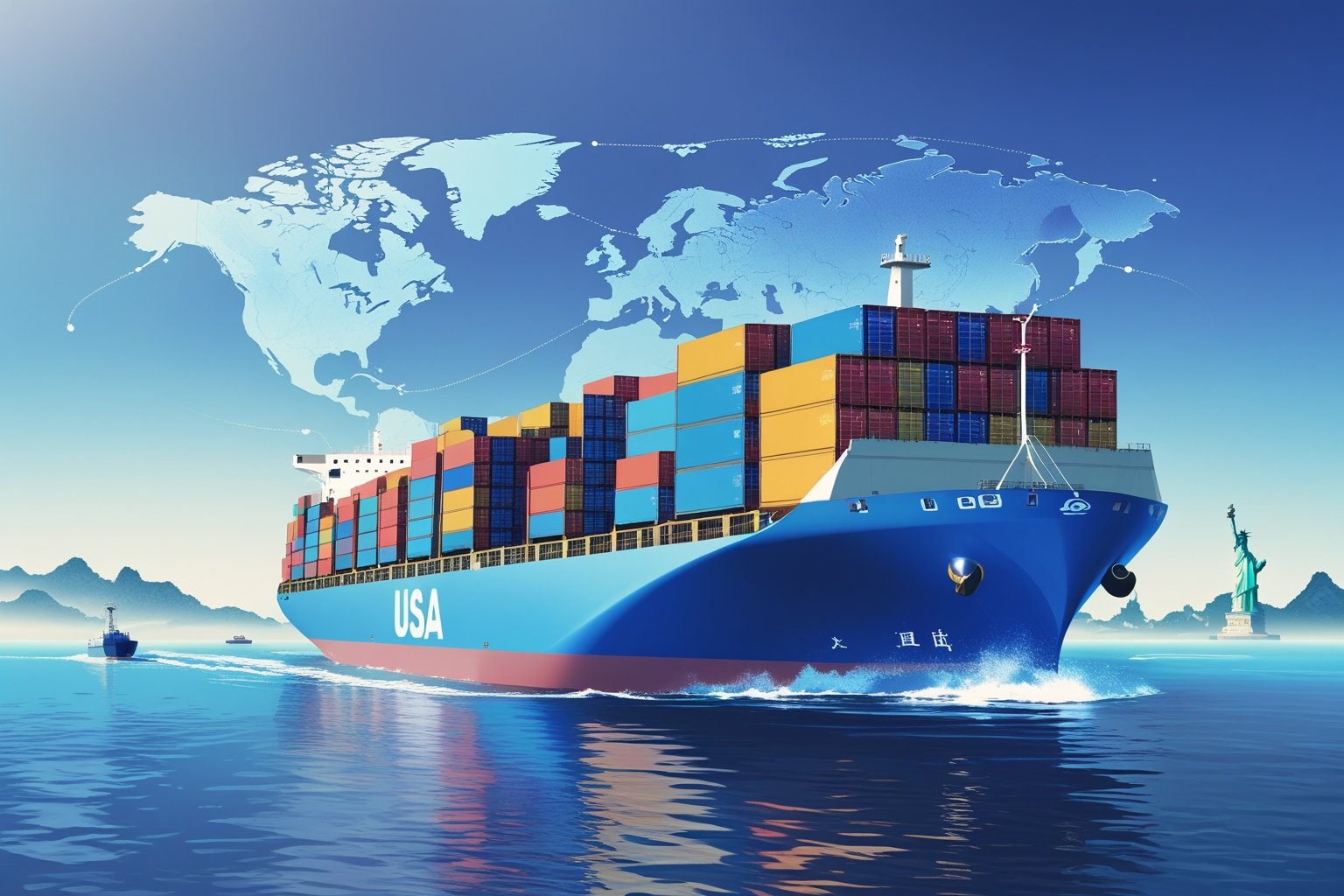
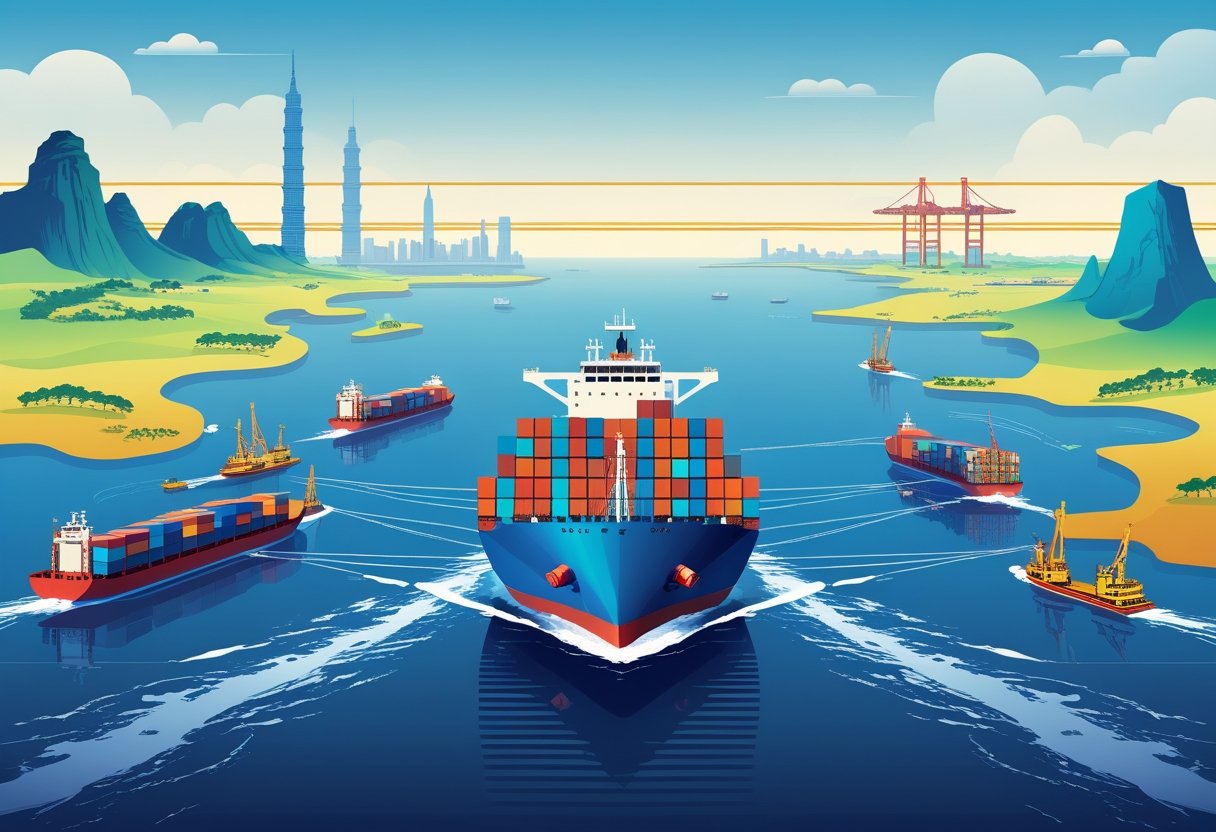
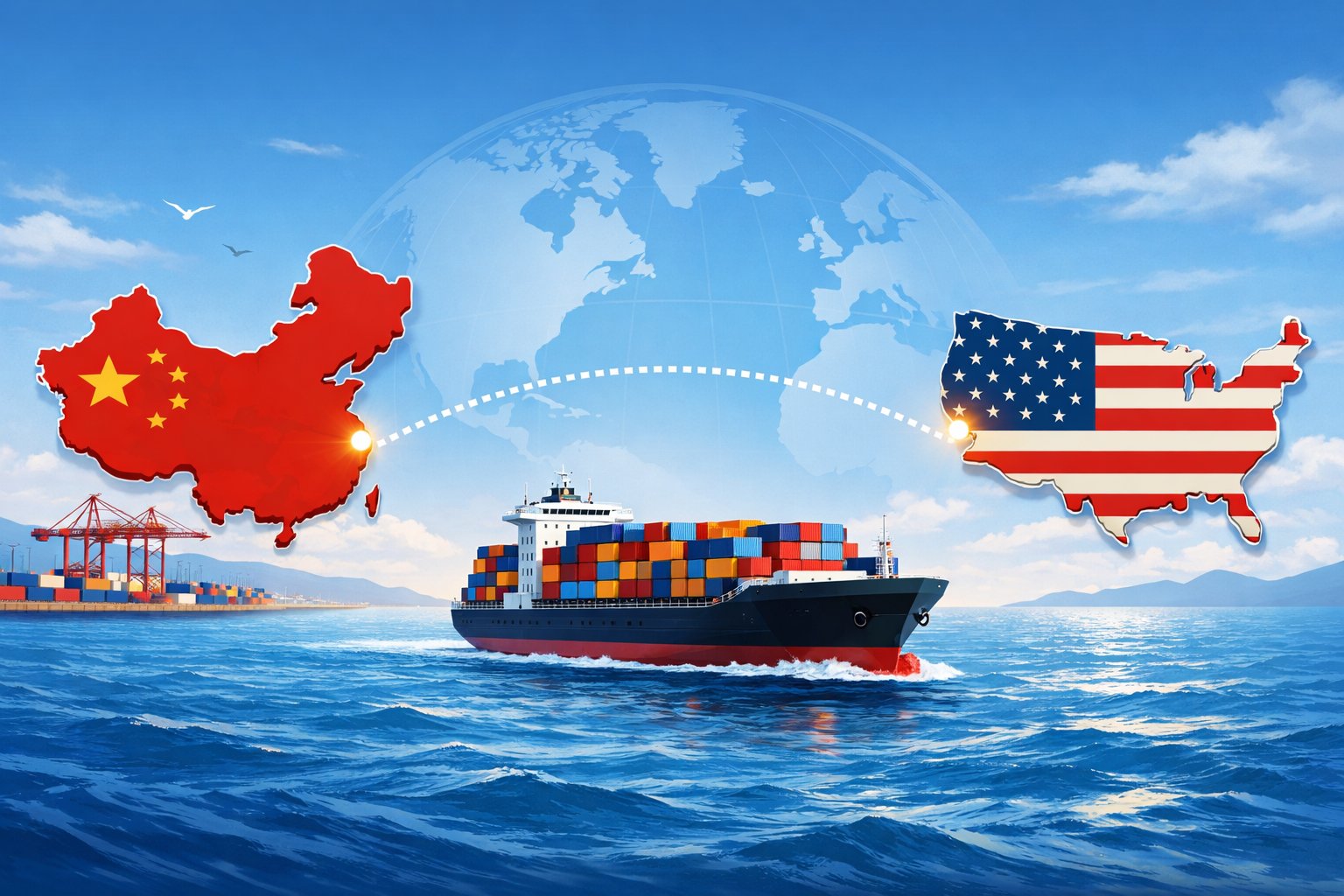
A cargo ship carrying containers sails across the ocean from China to the United States, with map outlines of both countries connected by a dotted route line.

Shipping from China to US is a huge part of global trade. Whether you’re a small business grabbing your first shipment or a seasoned importer, knowing how this all works can save you a headache—and some cash.

Shipping from China to US usually takes 1-2 weeks by express courier, about 8-10 days by air freight, or 30-40 days by ocean freight. Costs can range from $3-5 per kilogram for air and express, and a lot less per unit if you go by sea.

Your choice of shipping method depends on your timeline, shipment size, and budget. Each way has its own customs clearance process, paperwork, and fees.

This guide covers what you need to know about shipping from China to the United States. We’ll look at how to pick the best shipping method, estimate your full costs (including duties and tariffs), and work with freight forwarders to get your stuff delivered safely.

Key Takeaways

  • Express shipping costs about $5 per kilo and takes 1-3 days. Air freight is around $3 per kilo and takes 8-10 days. Ocean freight is cheapest for shipments over 500 kg, but takes 30-40 days.
  • Factor in customs duties, tariffs, and paperwork when you add up your total shipping costs from China to the US.
  • FCL and LCL ocean freight, or picking air versus sea, depends on your shipment size, timeline, and budget.

Shipping Methods from China to US

When shipping from China to US, you get three main choices: sea freight, air freight, and door-to-door services. Sea freight is cheapest for big shipments, air gets your stuff there fast (but costs more), and door-to-door handles all the details, including customs.

Sea Freight: FCL and LCL Shipping from China to US

It is the go-to for shipping from China to US if you’ve got a lot of cargo. You pick between FCL (full container load) and LCL (less than container load) depending on how much you’re moving.

FCL shipping means you rent the whole container for your goods. A 20-foot container runs about $2,000 to $5,000; a 40-footer is $3,000 to $8,000. If you can fill at least 60-70% of a container, FCL usually makes sense.

LCL shipping lets you share space with other importers. You pay only for the space you use—typically $80 to $150 per cubic meter. If your shipment is small or unpredictable, LCL is usually the way to go.

Transit times for FCL and LCL range from 25 to 40 days, port-to-port. West Coast ports like Los Angeles get cargo in faster than East Coast ones.

Air Freight and Express Shipping from China to US

Air freight from China to US delivers in 3 to 10 days, door-to-door. Rates are usually $5 to $8 per kilogram for shipments between 150 and 500 kilograms.

This works for time-sensitive stuff—think electronics or seasonal items—when speed matters more than price. Your goods fly into big US airports and then go by truck to the final spot.

Express shipping with DHL, FedEx, or UPS is the fastest, at 3 to 7 days. Rates are $6 to $12 per kilogram, but that includes pickup, customs, and delivery to your door. Express is great for small parcels, samples, or e-commerce orders when you just can’t wait.

Both air and express cost more per kilogram than sea freight, but they really cut down your lead time.

Door-to-Door and Amazon FBA Shipping from China to US

Door-to-door shipping from China to US is simple. Your freight forwarder handles pickup in China, customs, duties, and final delivery in the US.

DDP (Delivered Duty Paid) is handy if you don’t know US customs rules or don’t have a local setup. The forwarder deals with all the paperwork, customs, and tracking, so you don’t have to stress.

Amazon FBA shipping needs special care to meet Amazon’s rules. Your freight forwarder can:

  • Prep carton labels and shipment docs
  • Book delivery appointments with Amazon warehouses
  • Handle palletizing and packaging
  • Manage split shipments to different fulfillment centers

These services often mix sea and air to balance cost and speed. You pay a bit more, but you save time and avoid customs headaches.

Shipping Costs and Freight Rates from China to US

Freight rates from China to USA depend on your shipping method, weight, and route. Understanding cost per kilogram and what affects rates lets you control costs and pick the best option.

What Drives Shipping Costs from China to US?

Your shipping rate depends on a bunch of things working together. The type of goods you ship matters—hazardous or fragile stuff costs more. Dimensional weight comes into play if your package is big but light.

Distance from your starting point in China to your destination in the US changes your price. Shipping from Shanghai to Los Angeles is usually cheaper than less common routes.

Seasonal spikes and market swings push rates up, especially before big holidays. Your choice of FOB or CIF terms decides who covers freight and insurance.

The shipping mode makes the biggest difference. Don’t forget to factor in fuel surcharges, port fees, and customs clearance costs—they all add up.

Freight Rate Comparison by Shipping Method

Express shipping costs about $5 per kilogram for packages up to 150 kg. Delivery is 1-3 days with carriers like DHL, UPS, or FedEx.

Air freight is around $3 per kilogram for shipments between 150-500 kg. Standard air freight takes 8-10 days; express air is a bit faster at 5-7 days.

Sea freight is the cheapest shipping from China for loads over 500 kg. A 20-foot container costs $1,800-$2,800, while a 40-foot one goes for $2,500-$4,200. LCL gets charged per cubic meter if you can’t fill a whole container.

Transit times vary a lot. Ocean freight is 30-40 days door-to-door; air is 8-10 days.

Cost Per Kilogram and Dimensional Weight for Shipping from China to US

Airlines and couriers charge you by the higher of actual or dimensional weight. To get dimensional weight: multiply length × width × height in centimeters, then divide by 5,000 for most international shipments.

If your box is big but light, you’ll get charged for the dimensional weight. For example, a box that’s 50cm × 40cm × 30cm has a dimensional weight of 12 kg, even if it only weighs 5 kg. You’ll pay for 12 kg.

Air freight costs per kilogram drop as you ship more. Shipping bigger or more often usually gets you better rates from freight forwarders. You can lower dimensional weight charges by packing smarter and cutting out empty space.

Transit Times and Delivery Speed for Shipping from China to US

Knowing the China to US transit time helps you plan inventory and keep customers happy. Shipping methods from China to the US range from 1-5 days for express to 15-35+ days for ocean freight. Customs checks and port congestion can mess with your schedule.

China to US Transit Time by Shipping Method

Express shipping gets your packages in 1-5 days. It’s best for rush shipments under 100 kg. Expect to pay $15-$30 per kilogram, but you get real-time tracking and skip port delays.

Air freight is a good middle ground, with transit times of 2-15 days. Shipments from 45-500 kg arrive quicker than by sea, at $8-$12 per kilogram. Regular flights connect Shanghai and Los Angeles, but weather can add 1-3 days, especially during monsoon season.

Ocean freight takes 15-35+ days depending on where you’re sending your goods and the container type. FCL shipments hit West Coast ports in 18-22 days, while LCL can take 30-35 days because of consolidation. East Coast adds 10-14 days if you go through the Suez or Panama Canal.

What Slows Down Shipping from China to US?

Customs clearance delays hit about 28% of shipments from China to US. Paperwork mistakes—like wrong tariff codes or mismatched invoices—can tack on 3-5 days and affect a surprising number of small exporters.

Peak seasons are rough. Chinese New Year in February causes a 15% slowdown from factory closures. December retail surges push LA and Long Beach ports 40% above capacity, leading to 10-14 day delays.

Weather can really throw a wrench in things. Typhoons shut down Shanghai port for 2-3 days at a time from July to October. Winter brings 48-hour trucking delays at Chicago rail hubs. Chinese ports move containers about 17% faster than US ports during the busiest times—something to keep in mind if you’re on a tight deadline.

Tracking and Shipment Visibility for Shipping from China to US

Modern tracking tools now bring real shipment visibility to international logistics. When shipping from China to US, express shipping achieves about 98% on-time delivery with frequent updates.

Air freight comes in at roughly 92% reliability, and ocean freight sees about 78% on-time performance. Your shipping method choice directly impacts transit speed and tracking detail.

Express and air services use real-time tracking that updates every few hours. Ocean freight tracking is a bit slower, but you’ll still get container status at checkpoints like port arrival and customs.

Most freight forwarders now offer online portals so you can follow your shipment’s journey. These systems send alerts for customs holds, weather delays, or port congestion, helping you adjust expectations and keep your customers in the loop.

Customs Clearance and Documentation for Shipping from China to US

Shipping from China to US means you’ll deal with customs paperwork and U.S. import rules. You need the right documents, must file security info before arrival, and may want a licensed pro to help.

Required Shipping Documents for Shipping from China to US

You’ll need several documents for customs clearance from China to the USA. The commercial invoice tops the list, showing your goods’ value and letting customs calculate duties.

That invoice should include buyer and seller info, product details, unit and total prices, plus trade terms like FOB or CIF. The packing list gives details about what’s inside each box—weight, dimensions, and how you packed it.

Customs officers use your packing list to check if what you declared matches what arrived. The bill of lading proves your carrier received the goods and shows who owns them during shipping.

This document must list the shipper, consignee, and the items shipped. You can pick between an ocean bill of lading or a telex release for electronic handover.

A certificate of origin proves where your goods came from. This affects tariffs and is required for some products.

Special items—like food, electronics, or cosmetics—need extra certifications, such as FDA, FCC, or DOT approval.

ISF and Importer Security Filing for Shipping from China to US

The Importer Security Filing (ISF, or the “10+2” rule) is a U.S. Customs security requirement. You must submit your ISF filing 24 hours before your goods load onto the ship in China.

Your ISF includes 10 data points: supplier name and address, consignee and buyer info, ship-to address, container stuffing location, and the Harmonized Tariff Schedule (HTS) code for each product.

HTS codes classify and determine duty rates for your items. If you get the code wrong, you risk delays or paying the wrong duties.

Missing the ISF deadline brings a $5,000 penalty per violation. Customs can also hold your shipment until you file correctly.

Working with Customs Brokers for Shipping from China to US

A customs broker is a licensed pro who manages import procedures for you. Customs brokers handle documents, duty payments, and compliance with U.S. import rules.

If you’re new to importing or short on time, you’ll want a customs broker. Your broker prepares and submits paperwork, pays duties and taxes, and talks to customs about your shipment.

To let a broker act for you, you sign a power of attorney (POA). The broker then clears your goods and arranges delivery to your warehouse or fulfillment center.

Pick a broker who knows your product category. They should understand your goods’ requirements and stay updated on regulations.

Import Duties, Tariffs, and Landed Costs for Shipping from China to US

When shipping from China to US, your product cost is just the start. Duties and tariffs can add a big chunk to your expenses, so knowing how to calculate landed costs is key to budgeting and avoiding nasty surprises.

Determining Duties and Tariffs for Shipping from China to US

Your import duties depend on your product’s Harmonized Tariff Schedule (HTS) code. This code sets the percentage you’ll pay, and rates vary widely by product.

Recent policy shifts have pushed up tariffs on Chinese goods. As of May 2025, parcels from China face a 30% base tax (down from 145% earlier this year).

Shipments under $800 get the 30% rate plus a $15-25 handling fee. Shipments over $800 might pay 30-60%, depending on classification.

Find your HTS code before shipping. This 10-digit number locks in your duty rate. Calculating import duties means multiplying your customs value by the rate.

Don’t forget the Merchandise Processing Fee (0.3464% with set minimums and maximums) and Harbor Maintenance Fee for ocean freight (0.125% of cargo value).

Understanding Incoterms and DDP for Shipping from China to US

Incoterms spell out who pays for duties, taxes, and shipping risks. The most common for shipping from China to US are FOB, CIF, and DDP.

DDP means your supplier handles everything, including customs fees from China to US. Your products show up at your door, duties and taxes already paid.

This makes life easier, but suppliers usually add a markup. FOB puts you in charge once goods leave China—you pay for ocean freight, insurance, duties, and delivery.

CIF covers freight and insurance to the US port, but you take over for customs and duties. Many importers prefer FOB or CIF for more cost control.

DDP can be good for small shipments or if you want predictable pricing and don’t want to deal with customs.

Managing Landed Costs and Risk for Shipping from China to US

Your landed cost includes product price, shipping fees, insurance, customs duties, tariffs, and delivery to your warehouse. This total tells you your real product cost and profit margin.

Landed cost formula:

  • Product purchase price
  • International shipping (sea, air, or express)
  • Insurance (usually 1-3% of cargo value)
  • Customs duties and Section 301 tariffs
  • Customs broker fees ($50-150 per entry)
  • Destination charges and inland transport

Calculate all these before you order. For example, a $10,000 order could run $2,000 for shipping, $3,000 in duties, and $500 in fees—so your landed cost hits $15,500.

Get your insurance and documentation right. Don’t undervalue goods to dodge duties—it’s illegal and risks seizure. Work with experienced customs brokers to classify products correctly and minimize legal duty payments.

Logistics Providers, Risk, and Peak Season Strategies for Shipping from China to US

Choosing the right logistics partner and planning for hiccups can protect your shipments, especially during peak season. Good risk management and early planning help you avoid delays and surprise costs.

Choosing a Freight Forwarder or 3PL for Shipping from China to US

A freight forwarder arranges international shipping, customs clearance, and paperwork for you. A 3PL (third-party logistics provider) also offers warehousing, distribution, and inventory management.

Pick based on your business needs and shipment complexity. Look for a logistics provider with strong carrier relationships.

During peak shipping season from China to the USA, carriers prioritize forwarders who move high volumes. These relationships can get you better access to container space when things get tight.

Key selection criteria:

  • Network coverage at Chinese and US ports
  • Consolidation services for LCL shipments
  • Technology platforms for tracking and documents
  • Customs expertise to avoid clearance delays
  • Insurance options with shipping services

Ask about their performance during previous peak seasons. Get references from companies shipping similar products.

Insurance and Risk Management for Shipping from China to US

Cargo insurance protects your goods from loss or damage in transit. Most freight forwarders offer basic carrier liability, but it’s often just $500 per container.

You’ll want extra cargo insurance for full protection. Common types:

  • All-risk coverage for broad protection
  • Named perils for specific risks like fire or sinking
  • Warehouse-to-warehouse coverage from origin to destination

Premiums usually run 0.3% to 1.5% of cargo value. Electronics and fragile goods cost more to insure than textiles or other tough items.

Risk management isn’t just insurance. Spread your suppliers out—don’t rely on one factory or region. Split shipments across multiple vessels to lower your risk if one gets delayed.

Mitigating Delays and Capacity Issues for Shipping from China to US

Port congestion and equipment shortages are big headaches during peak season. The Port of Los Angeles processed over 923,000 TEUs in July 2025, with container dwell times of 2-3 days. Planning early can help you avoid these jams.

Book your ocean freight 4-6 weeks ahead of your ship date. Carriers often cut off new bookings during peak, especially on busy routes. Your freight forwarder should lock in space early.

Consider alternate routes through East Coast or Gulf ports. These usually have less congestion than the West Coast, but add 5-7 days to transit.

Capacity management strategies:

Strategy Benefit Best For
Early booking Guaranteed space Predictable volumes
Port diversification Avoid congestion Flexible delivery locations
LCL consolidation Lower minimum volumes Smaller shipments
Air freight backup Fast delivery High-value or urgent goods

Keep an eye out for fuel surcharges during peak season. These can tack on $300-600 per container, depending on oil prices and routes. Your logistics provider should be upfront about all surcharges so you can budget with fewer surprises.

About AEB Logistics

AEB Logistics helps importers with shipping from China to US, offering freight forwarding and customs brokerage services. They handle ocean freight, air freight, and consolidation, with offices right in the heart of China’s main manufacturing hubs.

Their team manages cargo insurance, customs clearance, and door-to-door delivery across North America. AEB Logistics partners with major ocean carriers to lock in container space, especially during the busiest shipping seasons.

Frequently Asked Questions About Shipping from China to US

Shipping from China to US can cost anywhere from $380 per cubic meter for sea freight to over $9 per kilogram for express services. Import taxes apply to goods worth $800 or more, with rates at 30% plus extra handling fees.

What Are the Typical Costs Associated with Shipping from China to US?

Your shipping costs depend on the method you choose and how big your shipment is. Sea freight usually gives you the best value for large shipments, with full container loads running $3,640 to $6,040 for a 20-foot container and $4,600 to $7,600 for a 40-foot container.

If you don’t have enough to fill a container, less than container load (LCL) shipments cost about $382 per cubic meter to the West Coast. This works for mid-sized shipments that don’t quite fill a whole container.

Air freight rates start at $4.00 per kilogram to Los Angeles and go up to $6.00 per kilogram for cities like New York and Miami. Express shipping—think DHL, FedEx, UPS—costs $7.54 to $9.54 per kilogram but arrives the fastest.

Keep in mind, there are extra costs beyond just shipping. You’ll need to budget for customs clearance, insurance, fuel surcharges, and handling fees.

How Long Does Shipping from China to US Take by Sea?

Sea freight usually takes 30 to 40 days for door-to-door delivery if you’re shipping a full container. That covers ocean transit, pickup, loading, unloading, and final delivery.

LCL shipments take longer since your goods get grouped with others. LCL shipments usually need 42 to 54 days to reach you, adding a week or two over full container loads.

Peak seasons and port congestion can stretch these timelines. During busy times, you might want to add 5 to 10 extra days. Sometimes, delays at US ports tack on another week or two as well.

What Are the Requirements for Shipping from China to US?

You’ll need a few essential documents for shipping from China to US. The commercial invoice should list detailed product descriptions, true values, and the right Harmonized System codes.

Your packing list must show contents, quantities, weights, and dimensions. For sea freight, you need a bill of lading; for air, you’ll want an air waybill.

Certain products require extra permits or certifications before you can import them. Food, medical devices, electronics, and some consumer goods need approval from specific US agencies.

Your supplier has to provide paperwork proving where the goods came from. US Customs can hold your shipment if paperwork isn’t right, so double-check everything for accuracy.

How Can I Track a Shipment from China to US?

Your freight forwarder or carrier gives you tracking tools so you can watch your shipment move. When your goods leave, you get a tracking number—just enter it on the carrier’s site for real-time updates.

For express shipments with DHL, FedEx, or UPS, you’ll see detailed tracking at each scan point along the way. These updates happen several times a day as your package moves through their network.

Sea freight tracking updates less often but still shows the big milestones. You’ll know when your container leaves China, arrives in the US, and clears customs.

Many forwarders offer online portals or apps that pull together tracking info from different carriers. These tools make it way easier to keep tabs on several shipments at once.

Are There Cheaper Alternatives for Shipping from China to US?

If you combine several smaller shipments into one, you’ll cut down your per-unit shipping costs. A freight forwarder who knows cost-effective shipping from China to US can help you get better rates.

LCL shipping costs more per cubic meter than full containers, so filling a whole container saves money on big shipments. If you can’t fill one yourself, you can share space through consolidated shipping services with other importers.

Choosing slower shipping methods, like sea freight, slashes costs. It’s a tradeoff—cheaper but slower. If you plan ahead and order early, you can stick with the most affordable options.

Try negotiating volume discounts with your freight forwarder if you ship often. Building a solid relationship and committing to regular shipments can unlock wholesale pricing. Not everyone does this, but it’s worth a shot.

Will I be required to pay import tax on goods shipped from China to the USA?

If you’re shipping from China to the US, you’ll need to pay import taxes on goods valued at $800 or more. Right now, the tariff rate sits at 30% for most Chinese products, which is actually lower than what it was earlier in 2025.

Your total import costs include both the tariff percentage and some handling fees. Even for parcels under $800, you still have to deal with the 30% base tax. Handling fees usually fall between $15 and $25.

For example, if you buy a $100 item, you’ll pay about $30 in tariffs and another $20 for handling. That bumps your total up to around $150.

Shipments with higher values might get hit with rates between 30% and 60%, depending on how the product gets classified. You figure out duties based on the Harmonized System code for your goods.

Different categories mean different tariff rates, so getting the classification right really matters. Honestly, it helps to ask your customs broker or freight forwarder for advice—they can help you pick the correct codes and estimate duties before you ship anything.
Posted on

Ship From China to US: Cost, Transit Time & Customs Guide

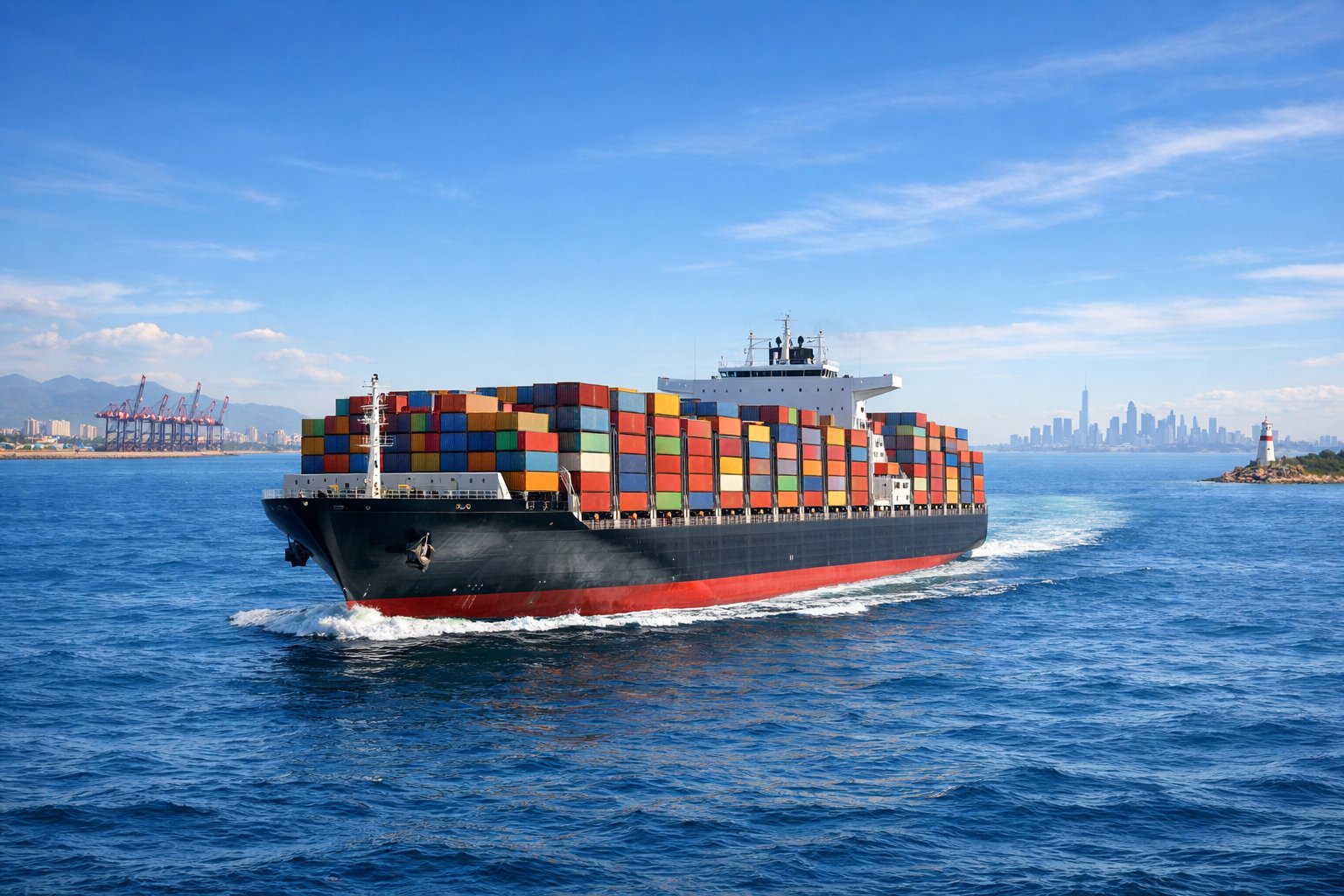
A large cargo ship loaded with containers sailing across the ocean from China to the United States, with coastlines visible on both sides.

Trying to ship from China to US? It can feel overwhelming, honestly—costs keep shifting, tariffs change, and there are so many shipping methods to sort through. If you run an e-commerce business, manufacture goods, or import for retail, it’s crucial to understand how to ship from China to the US efficiently. That saves money and helps you dodge nasty delays.

Right now, shipping options range from express delivery in 2-5 days at $7.54-$9.54 per kilogram to sea freight that takes 30-40 days but costs just $3,640-$6,040 for a full container.

Recent trade policy shifts have made it trickier to ship from China to the US. As of 2025, tariffs on Chinese goods dropped from 125% to 30% through August. But now, parcels under $800 get hit with a 30% base tax plus handling fees.

These changes hit your landed costs hard. Careful planning is essential if you want to keep your profit margins intact.

This guide covers shipping methods, real costs, transit times, customs, and picking the right freight forwarder. You’ll get practical tips to cut expenses, dodge common delays, and make sure your products actually show up on time.

Key Takeaways for Ship From China to US

  • Express shipping takes 2-5 days but costs way more than air freight (8-10 days) or sea freight (30-40 days).
  • Tariffs are currently 30% for most Chinese goods, plus handling fees on all shipments.
  • Picking a good freight forwarder and having your paperwork together helps you avoid customs headaches and keeps shipping expenses down.

Key Shipping Methods From China to US

When you ship from China to the US, you’ve got three main choices. Each one varies in speed, price, and how much stuff you can send.

Ocean freight is the go-to for big shipments. Air freight balances speed and cost. Express shipping gets small packages to your door fast.

Ocean Freight: FCL vs LCL Ship From China to US

Ocean freight is usually the cheapest way to move lots of goods. You can pick full container load (FCL) or less than container load (LCL).

FCL shipping means you rent the whole container. A 20-foot container holds about 28 cubic meters; a 40-foot, around 58 cubic meters. You pay a flat rate for the container, even if it’s not packed to the brim.

LCL shipping lets you share the space with other importers. You pay only for the space you use, usually per cubic meter. LCL rates range from $80 to $150 per cubic meter depending on how much you ship.

Transit times for ocean freight usually run 25 to 40 days, port to port. West Coast ports like Los Angeles get shipments faster than the East Coast. FCL shipments often arrive quicker than LCL because they don’t wait for other cargo to consolidate.

Air Freight Ship From China to US: When Timing Matters

Air freight from China to the US is much faster than ocean shipping, but it’ll cost you more per kilo. It’s ideal for medium-sized shipments when you need speed but can’t justify express courier rates.

Air freight from China usually takes 3 to 10 days door-to-door, including customs and ground transport. Shipments between 150 and 500 kilograms typically run $5 to $8 per kilogram.

This works well for high-value products or seasonal items where timing is everything. You get better tracking than with ocean freight, and less handling means fewer chances for damage. But be warned—prices can spike during peak seasons.

Express Shipping and Door-to-Door Ship From China to US

Express shipping from China to the US, via DHL, FedEx, or UPS, offers the fastest delivery for small packages. These carriers handle everything from pickup to your doorstep.

Door-to-door shipping takes 3 to 7 days. Costs run $6 to $12 per kilogram, and they’ll charge by actual or volumetric weight—whichever’s higher.

This method covers customs clearance, tracking, and reliable delivery times. No need to arrange pickups or customs brokers yourself. Express works best for samples, prototypes, small e-comm orders, or any urgent shipment under 100 kilograms.

Shipping Costs and Pricing Factors Ship From China to US

Shipping cost from China to the US varies a lot depending on transport method, cargo size, and service level. You could pay a few bucks per kilo by air, or thousands per container by sea. Knowing the full cost structure helps you budget and sidestep surprise fees.

Shipping Cost Breakdown by Mode: Ship From China to US

Freight costs from China to the USA swing wildly depending on your shipping method. Sea freight is usually the cheapest for big orders—a 20-foot container might cost $2,000 to $5,000, while a 40-foot can run $3,000 to $8,000. High cube containers cost a bit more, but you get extra headroom.

LCL (Less than Container Load) works if you don’t have enough to fill a container. Expect $80 to $150 per cubic meter for 2–15 CBM.

Air freight is pricier, around $4.50 to $8.00 per kilogram for 100kg+. Couriers like DHL or FedEx charge $6.50 to $10.00 per kilogram, but deliver in 3–7 days. DDP (Delivered Duty Paid) air service bundles in taxes and customs, usually $7 to $11 per kilogram for 50kg+.

Shipping Method Cost Range Transit Time Best For
20ft Container (FCL) $2,000–$5,000 25–40 days Bulk goods, furniture
40ft Container (FCL) $3,000–$8,000 25–40 days High volume orders
LCL Sea Freight $80–$150/CBM 30–45 days Medium volume shipments
Air Freight $4.50–$8.00/kg 3–10 days Time-sensitive goods
Express Courier $6.50–$10.00/kg 3–7 days Samples, urgent items

Factors Affecting Freight Costs When You Ship From China to US

Lots of things impact your shipping expenses from China. Cargo weight and volume decide if you’re charged by actual or dimensional weight. Dimensional weight can really sting if your boxes are mostly air.

Your Incoterms matter a ton. FOB (Free on Board) means you pay once the goods leave China. CIF (Cost, Insurance, and Freight) covers ocean freight and basic insurance. DDP covers everything through final delivery, including duties and taxes.

Seasonal demand is a big deal. Rates climb during Chinese New Year and the holiday rush in the fall. Fuel surcharges bounce around with oil prices too.

Origin and destination also play a part. Shipping from big ports like Shanghai or Shenzhen to LA or New York is cheapest. Remote locations mean more trucking fees. And if your cargo is hazardous, refrigerated, or oversized, expect extra charges.

Tips for Reducing Ship From China to US Expenses

Want the cheapest shipping from China to the US? You’ll need some strategy. Consolidate orders from different suppliers into one big shipment to fill a container better. That slashes your per-unit freight cost compared to sending lots of little batches.

Optimize packaging to use less space and avoid high dimensional weight fees. Sometimes, just asking your supplier to re-box things or use vacuum packing can save a lot on air freight.

Book during off-peak seasons if you can. Avoid Chinese New Year and the late summer/fall rush. Lock in space 4–6 weeks ahead to get better deals.

Consider freight insurance for valuable shipments. It adds a bit upfront—maybe 0.3% to 1% of cargo value—but covers you if things go wrong. Not everyone bothers, but it could save your business in a pinch.

Pick the right shipping mode for your needs. Don’t pay for air freight if you can wait for sea. Use LCL for smaller loads instead of half-empty containers. A good freight forwarder who knows how to negotiate rates can make a big difference.

Transit Times and Route Planning for Ship From China to US

Transit times from China to the US can swing a lot depending on your shipping method and which port you’re using. Peak season and route choice make a huge difference.

If you want to avoid costly delays, plan routes carefully and stay on top of seasonal slowdowns. Sometimes, a little flexibility saves you weeks—and money.

Average Transit Times for Shipping from China to the USA

Sea freight is usually the most affordable choice for shipping from China to the USA. Transit times vary from 15 to 40 days, depending on your final destination.

If your cargo heads to West Coast ports like Los Angeles or Long Beach, you’ll typically see 15 to 21 days for port-to-port delivery. For the East Coast, shipping takes longer—plan for 25 to 30 days via the Panama Canal route.

Air freight speeds things up, with deliveries arriving in just 3 to 8 days from major Chinese airports to US cities. While it costs more, it’s often worth it for urgent or high-value shipments.

Express shipping with couriers like DHL or FedEx is the fastest. Expect door-to-door delivery in 2 to 5 days, tracking included, but you’ll pay top dollar for the service.

Remember, door-to-door shipping times can stretch these estimates by another 1 to 2 weeks. Inland transport, customs, and final delivery in the US all add time.

Peak Seasons, Delays, and Port Congestion for Shipping from China to the USA

Peak shipping seasons hit from August to October before major holidays, and January to February ahead of Chinese New Year. During these months, you’ll probably face port congestion and delays—sometimes 5 to 10 days longer than usual.

Ports like Los Angeles get especially jammed, adding 8 to 11 days of vessel wait time. Your containers might sit at anchor before unloading, and even after docking, unloading can take another 3 to 4 days.

Customs clearance delays can range from 1 to 7 days, depending on inspections and paperwork accuracy. Mess up HS codes or forget documents, and you’re looking at extra delays and possible fines.

Weather plays its part too. Pacific typhoons can tack on 2 to 5 days to your ocean transit, especially between July and October. It’s smart to build in some buffer time during storm season.

Popular Shipping Routes and Locations for Shipping from China to the USA

Shanghai to Los Angeles is the classic route, with direct sailings usually taking 15 to 20 days. Shanghai, the world’s busiest port, moves 47 million TEUs a year—so you get frequent departures and solid rates.

Shenzhen to US West Coast ports takes about 16 to 22 days. This route serves southern China’s tech hub, and many shipping routes from China to the USA West Coast stop in Hong Kong for transshipment. That can add 2 to 5 days, but sometimes saves you money.

East Coast routes usually go through the Panama Canal. Shenzhen to New York clocks in at 25 to 28 days. The “Mini Land Bridge” option ships to the West Coast, then uses rail to reach the East Coast in 21 to 23 days total.

Ningbo-Zhoushan and Qingdao are also good departure points, with West Coast transit times of 18 to 25 days.

Customs Clearance, Documentation, and Duties for Shipping from China to the USA

Shipping from China to the USA means getting your paperwork right, paying fees, and following import rules. You’ll need specific documents, might want a customs broker, and have to pay tariffs based on what you’re importing.

Essential Shipping Documents for Shipping from China to the USA

You’ll need a few key documents for customs clearance from China to the USA. The commercial invoice is crucial—it lists seller, buyer, product details, quantities, values, and sale terms.

Your packing list details what’s inside every box or container. It shows dimensions, weights, and packaging methods. For ocean freight, the bill of lading acts as your receipt and proof of ownership. Air shipments use an air waybill instead.

A certificate of origin shows where your products were made. This affects tariffs, since rates vary by product and trade agreement. You might also need permits for items like food, electronics, or medical devices.

Customs Broker and Clearance Process for Shipping from China to the USA

A customs broker represents you with US Customs and Border Protection. They file your entry documents and keep you compliant. You can clear customs solo, but working with experienced freight forwarders usually saves time and headaches.

Your broker submits paperwork when your goods arrive at the US port. Customs reviews documents and might inspect your shipment. They check that product descriptions match and verify values.

Most shipments clear within 48 hours if paperwork’s in order. The broker calculates duties and arranges payment, plus handles any customs questions or issues.

Import Duties, Tariffs, and Legal Compliance for Shipping from China to the USA

Import duties depend on your product’s Harmonized Tariff Schedule code. Each item gets a 10-digit code that decides the tax rate, which can range from 0% to over 25% of your goods’ value.

Many Chinese products also face Section 301 tariffs—extra fees on electronics, machinery, textiles, and more. Always check current rates, since US trade policy changes can shift fees quickly.

You’re the Importer of Record, so you’re legally responsible for paying all duties and taxes on time. Underpaying or misclassifying can mean penalties or even seizures. Keep transaction records for at least five years—just in case.

Choosing a Freight Forwarder and Managing Risk for Shipping from China to the USA

A freight forwarder coordinates logistics, while Incoterms spell out who pays and who’s at risk at each stage. Insurance helps protect your cargo from damage or loss during the journey.

Role of the Freight Forwarder in Shipping from China to the USA

A freight forwarder manages your goods’ journey from China to the US. They book space with carriers, arrange pickup from your supplier, and handle export documents and customs at both ends.

The best freight forwarder for China to US shipping offers transparent pricing with no hidden fees. You’ll get regular tracking updates and someone who knows your product and route.

Key services include:

  • Booking sea or air freight
  • Coordinating warehouse storage and consolidation
  • Preparing invoices and bills of lading
  • Managing customs broker relationships
  • Arranging final delivery to your door

Your forwarder should answer questions quickly and give detailed quotes. They need strong carrier relationships to secure space, especially during peak seasons.

Incoterms: Responsibilities and Risk Management for Shipping from China to the USA

Incoterms are global rules that decide who pays for shipping and when risk moves from seller to buyer. The term you pick affects your final landed cost and liability.

FOB (Free on Board) means the seller delivers goods to the Chinese port. You pay for ocean freight, insurance, and everything after the cargo leaves port. Risk moves to you once the goods are loaded on the ship.

CIF (Cost, Insurance, and Freight) means the seller covers shipping and basic insurance to the US port. You handle customs and delivery in the US. Risk still transfers when the cargo is loaded in China, even though the seller pays for freight.

DDP (Delivered Duty Paid) means the seller handles everything—even US customs and final delivery. You get your goods at your warehouse, with all costs and risks covered. It’s the easiest but usually the priciest option.

Pick your Incoterm based on your experience and how much control you want. New importers often lean toward DDP to avoid customs hassles.

Freight Insurance and Protecting Shipments When Shipping from China to the USA

Cargo insurance shields you from financial loss if goods get damaged, lost, or stolen in transit. Standard carrier liability barely covers anything compared to your product’s real value.

All-risk policies protect against most losses—accidents, theft, weather. They don’t cover everything (like war or bad packaging), but most issues are included. Expect to pay 0.3% to 1% of your cargo’s value for coverage.

You can buy insurance through your freight forwarder or directly from a broker. Make sure coverage matches your cargo’s full replacement value plus shipping. Double-check policy exclusions and claims procedures before signing.

Take photos of your cargo before shipping. Keep all invoices, packing lists, and bills of lading, so you’re ready if you need to file a claim. Report any damage right away when your goods arrive.

About AEB Logistics

AEB Logistics specializes in shipping from China to the USA, with over 15 years in the international freight game. We offer sea and air freight options, competitive rates, and dependable transit times.

Our team provides door-to-door service, including customs clearance, duty payment, and final delivery to your warehouse. We handle all Incoterms, from FOB to DDP, based on what works best for you.

You’ll get a dedicated account manager who tracks your shipments and answers your questions. We keep strong carrier relationships, so we can usually secure space even during the busiest seasons.

Our pricing is transparent—no hidden fees. Reach out for a detailed quote tailored to your cargo and delivery needs.

Optimizing International Logistics for US Imports: Shipping from China to the USA

Getting your products from Chinese suppliers to American customers means making smart warehousing choices and using reliable tracking systems. Done right, you can shave 15-40% off shipping costs and keep inventory within easy reach.

Warehousing and Distribution Options for Shipping from China to the USA

Three main warehousing strategies exist when you ship from China to the USA. First, direct-to-customer shipping sends products straight from the port to buyers—best for big orders or single-item shipments.

Second, use a fulfillment center near major ports like Los Angeles or Long Beach. These centers let you receive LCL shipments and consolidate inventory before sending out to customers. You’ll save on last-mile delivery, since your goods are already stateside.

The third option is a distributed warehouse network across different US regions. This helps if your customers are spread nationwide. Your international logistics get more efficient, since you can ship from the closest warehouse each time.

Lots of businesses mix ocean freight for bulk inventory with UPS Worldwide Expedited for fast restocks. It’s a balance—lower storage costs, but products remain available.

Tracking, Visibility, and Support for Shipping from China to the USA

Modern international shipping relies on real-time tracking from the moment your cargo leaves China. Most freight forwarders now offer GPS monitoring and automated updates via online portals or apps.

You should expect visibility at every step: factory pickup, port arrival, customs clearance, and final delivery. This transparency lets you spot delays early and adjust plans. Look for forwarders with 24/7 customer support, especially during peak seasons.

It’s even better if your tracking integrates with your inventory system. When shipment data flows right into your software, you can update stock and notify customers automatically. Some providers offer alerts if shipments go off schedule, which is a lifesaver.

Choose partners who assign you a dedicated account manager for your international logistics. Having one contact makes communication easier and speeds up problem-solving when things get tricky.

Frequently Asked Questions About Shipping from China to the USA

Shipping from China to the USA can feel overwhelming, especially with so many choices and rules. Shipping times stretch from just 2 days for express service all the way up to 40 days if you choose sea freight. Costs jump around too—from $4 per kilogram for air freight to thousands of dollars for full containers. Understanding restrictions and documentation requirements helps you avoid headaches at customs.

Shipping from China to the USA by Sea: What Are the Average Times?

Sea freight from China to the USA usually takes 30 to 40 days for a full container load (FCL) door-to-door. That covers pickup in China, the ocean journey, customs, and final delivery.

If you’re shipping less than a container load (LCL), expect it to take longer—about 42 to 54 days. That extra time comes from combining your goods with others at the origin port and then splitting them up again at the destination.

During peak season or when ports get backed up, you might wait 5 to 10 extra days. Planning around major shopping seasons or supply chain hiccups is just smart.

How Much Does Air Freight Shipping from China to the USA Typically Cost?

Air freight costs usually run from $4.00 per kilogram to the West Coast, and up to $6.00 per kilogram for the East Coast. Shipping to Los Angeles tends to cost less than shipping to New York or Miami, thanks to the shorter distance.

Standard air freight gets your goods to you in 8 to 10 days, start to finish. It’s a sweet spot for shipments between 150 and 500 kilograms—faster than sea freight, but without the sky-high express rates.

Final costs depend on your shipment’s weight, size, and destination. If your package is big but light, carriers might use volumetric weight to calculate charges. That can surprise you if you’re not expecting it.

Shipping Costs from China to the USA Per Kilogram

Express shipping with DHL, FedEx, or UPS will run you $7.54 to $9.54 per kilogram. That does include door-to-door delivery in just 2 to 5 days.

Air freight offers more value at $4.00 to $6.00 per kilogram if your shipment is over 150 kilograms. You get decent speed without the express price tag.

Sea freight works differently. Instead of charging by weight, they use cubic meters (CBM). LCL shipments cost about $382 per CBM to the West Coast, which is usually the most economical way to send large, heavy loads.

USPS Shipping from China to the USA: Estimated Delivery Time

USPS doesn’t actually pick up or transport packages from China to the USA. They only handle the delivery once your package arrives in the States and clears customs.

Most Chinese sellers use China Post for the first leg, then USPS takes over after arrival. Depending on the service level, this combo takes 15 to 45 days.

ePacket, a partnership between China Post and USPS, delivers in 10 to 20 days for packages under 2 kilograms. If you go with regular small packet service, it’ll take 20 to 45 days, but it’s cheaper.

Shipping Restrictions from China to the USA: What Can’t You Ship?

The USA blocks or restricts a bunch of items from entering the country. You can’t import counterfeit goods, anything violating intellectual property, or products that don’t meet safety standards.

Some products need special licenses or permits before you can bring them in. That includes food, supplements, cosmetics, medical devices, and electronics—anything that needs to meet FDA or FCC rules.

Most goods worth $800 or more get hit with tariffs. Current tariff rates on Chinese goods sit at 30% for most products through August 2025, which is lower than before but still a chunk.

Dangerous goods like batteries, flammable liquids, and compressed gases face strict rules. You’ll need to declare these and use special packaging—no shortcuts here.

Why are shipping rates from China to the USA often considered economical?

Shipping rates from China to the USA often surprise people with how economical they are. That’s thanks to a few key factors that make this trade lane unique.

High shipping volumes between China and the USA create economies of scale. This lowers the per-unit costs for everyone involved.

The route stands out as one of the world’s busiest trade lanes. Carriers compete fiercely to fill their ships and planes, so they offer competitive rates.

Sea freight gives you the most economical option for large shipments. For example, a 20-foot container usually costs between $3,640 and $6,040.

You can ship several thousand kilograms for a fixed rate, no matter the weight. That’s a big deal if you’re moving lots of goods at once.

Chinese ports run efficiently with modern infrastructure. This reduces handling costs and speeds up the process.

With so many freight forwarders and carriers in the market, competition stays high. Prices drop compared to quieter trade routes.

Consolidation services for LCL shipments help small businesses access wholesale shipping rates. You only pay for the space your goods take up, not the whole container.

Posted on

Shipping Freight from China to US: Methods, Costs & Essential Guide

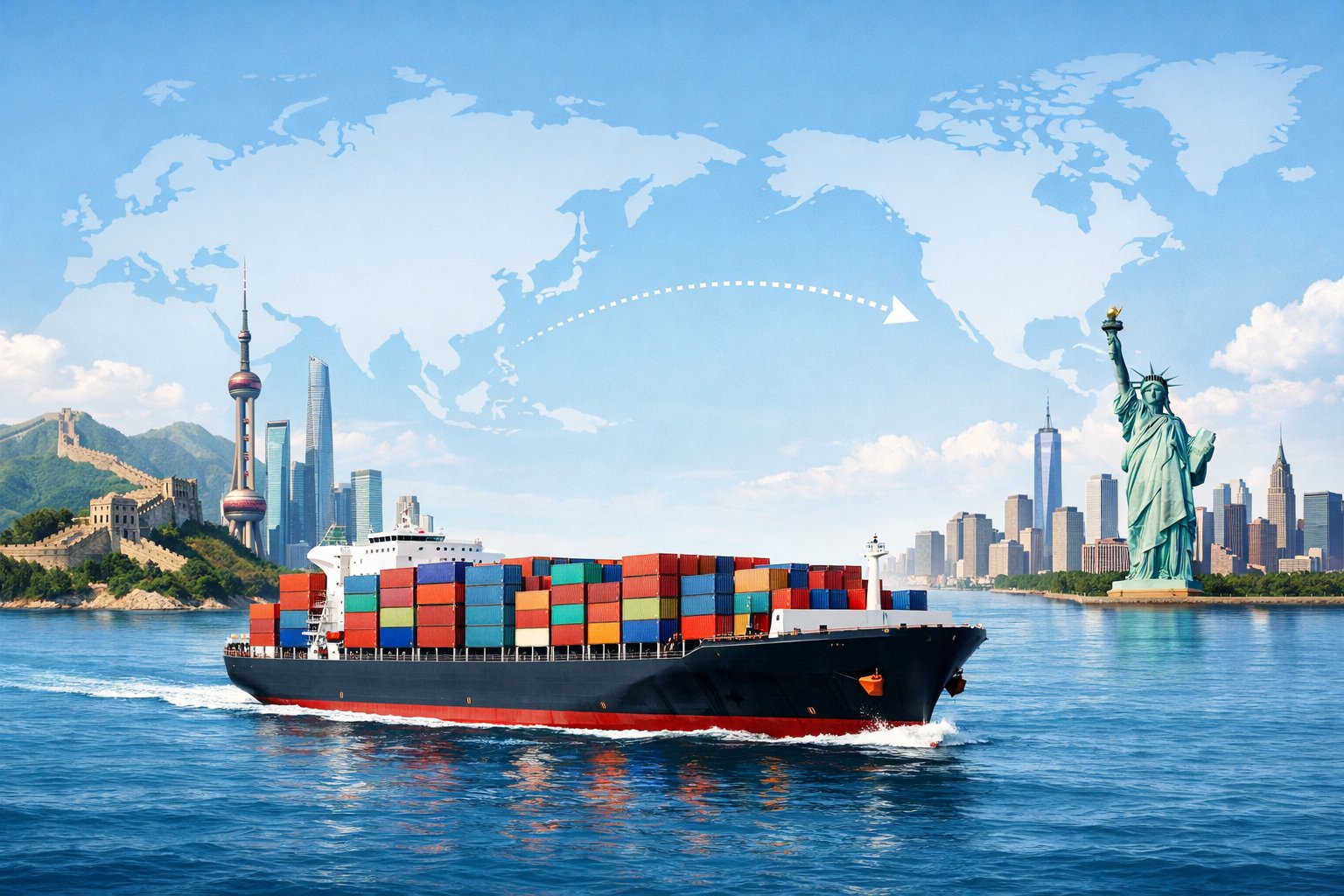
A cargo ship carrying containers sailing across the ocean between China and the United States, with landmarks from both countries visible on either side and a route indicated on a map in the background.

Shipping freight from China to US is a challenge every importer faces. The process involves picking the best method, managing costs, and dealing with regulations that keep changing.

Shipping freight from China to US usually costs $382 per cubic meter for less-than-container loads by sea, or $7.54-$9.54 per kilogram for express air shipping. Transit times range from 2-5 days for express service to 30-40 days for ocean freight, so your choice really depends on your budget, timeline, and cargo size.

Understanding the shipping process can help you avoid delays and unexpected fees. Tariff changes now mean duties on Chinese goods have dropped from 125% to 30% through August 2025.

But parcels under $800 face a 30% base tax and extra handling fees. You’ll need to know the right customs paperwork, how to pick between air and sea, and which freight forwarders really know the China-US lane.

This guide covers up-to-date shipping costs, realistic delivery times, and practical tips for getting your goods across the Pacific efficiently. Let’s dig into how to choose the right method, manage customs, and partner with freight forwarders who actually get the job done.

Key Takeaways

  • Sea freight costs $3,640-$7,600 per container and takes 30-40 days, while air freight costs $4-$9.54 per kilogram and delivers in 2-10 days.
  • Current US tariffs on Chinese goods are 30% for most products, with parcels under $800 subject to base tax plus handling fees.
  • Choosing a China-based freight forwarder with strong US customs clearance helps avoid delays and reduces shipping complications.

Shipping Methods from China to US

When shipping freight from China to the US, you get four main options, each with its own speed, cost, and cargo capacity. Ocean freight is ideal for big shipments, air freight balances speed and volume, express shipping handles urgent small parcels, and multimodal transport mixes methods for the best route.

Ocean Freight Shipping Freight from China to US

This is the go-to for container shipping, especially if you’ve got a lot to move and want lower costs. There are two main choices here, and it really comes down to how much you’re shipping.

FCL shipping means you take the whole container. A 20-foot container costs $1,800 to $3,000 to the West Coast, and a 40-foot runs $2,500 to $4,200. FCL makes sense if you’re filling most of the container.

LCL shipping lets you split a container with others, paying only for your share. Rates are usually $40 to $80 per cubic meter. It’s a solid option for smaller shipments that don’t fill a container.

Transit times for ocean freight are 15 to 25 days to the West Coast, 25 to 35 days to the East Coast. Add another 3 to 7 days for customs and final delivery.

Air Freight Shipping Freight from China to US

Air freight gets your goods there much faster than ocean, and it can handle bigger loads than express couriers. Standard air freight costs about $5 to $8 per kilogram, with minimum charges starting around $100 to $200.

Flights from China to the US take 3 to 6 days. With customs and ground transport, you’re looking at 5 to 10 days total.

This method is great for medium-weight shipments when you need speed but don’t need the absolute fastest service. It’s especially useful for restocking, seasonal items, or goods that can’t wait too long.

Air freight charges use actual or volumetric weight—whichever’s higher. Volumetric weight is length × width × height (cm), divided by 6,000.

Express Shipping Freight from China to US

Express shipping is the fastest way to move goods from China to the US, with carriers like DHL, UPS, and FedEx handling everything. Delivery takes just 2 to 5 business days, door-to-door.

Express delivery runs $8 to $15 per kilogram, with minimums from $25 to $50. It’s pricier, but you get speed and convenience.

This option includes customs clearance, tracking, and delivery right to your address. The carriers handle the paperwork and logistics, so it’s perfect for urgent shipments.

Express shipping is best for samples, documents, small parcels, and anything time-critical. Most shipments fall between 1 and 100 kilograms.

Multimodal Shipping Freight from China to US

Multimodal transport mixes two or more shipping methods to balance cost and delivery time. Often, you’ll see ocean freight for the main journey and trucks for inland delivery.

Door-to-door shipping is the full package, with your freight forwarder handling everything from pickup to delivery. They sort out export, transport, customs, and final drop-off at your warehouse.

This service costs $12 to $20 per kilogram for air-based routes, or uses container rates for sea. Delivery takes 8 to 15 days by air, or 30 to 40 days by sea.

You don’t have to juggle multiple carriers or brokers. One provider coordinates the lot and gives you a single point of contact.

Shipping Freight from China to US: Costs and Freight Rates

Shipping costs from China to the US depend on your transport mode, cargo size, weight, and the ever-changing market. Ocean freight gives you the lowest rates for bulk, while air freight is faster but pricier.

Factors Affecting Shipping Freight from China to US

Your shipping cost from China to the USA depends on several main things. Cargo weight and size determine if you pay by actual or volumetric weight. Heavy, compact items usually cost less per kilogram than light, bulky ones.

Which ports you use also affects your freight rates. Shipping from Shanghai to Los Angeles is cheaper than sending to New York or Savannah. Cargo type matters too—hazardous, refrigerated, or oversized shipments cost more.

Prices spike in peak seasons, especially August through October. Fuel costs, port congestion, and carrier space can also change rates month to month.

Choosing port-to-port or door-to-door service affects your total cost. Door-to-door adds customs and inland delivery for convenience, but it’s pricier.

Comparing Ocean and Air Freight Rates for Shipping Freight from China to US

Sea freight costs run $2 to $4 per kilogram for most cargo. A 20-foot container is about $1,200 to $2,500, while a 40-foot runs $1,800 to $3,800. Ocean freight is your best bet for big or heavy loads if you can wait.

LCL (Less than Container Load) shipping charges $35 to $65 per cubic meter. It’s good for 1 to 12 cubic meters of cargo. FCL (Full Container Load) gives you better value when you can fill the container.

Air freight rates are $4.50 to $8.50 per kilogram for standard service. You pay by chargeable weight—actual or volumetric, whichever’s higher. Airlines use length × width × height divided by 6000 to figure it out.

Air costs more but gets your goods there in 3 to 7 days, compared to 20 to 40 by sea. That speed is worth it for urgent orders or high-value goods.

Express and Courier Pricing for Shipping Freight from China to US

Express courier services like DHL, UPS, and FedEx charge $6.50 to $12.50 per kilogram. They get your shipment there in 2 to 5 days, handling customs and tracking along the way.

Couriers stick to volumetric weight rules, so light but bulky packages can cost a lot. Remote deliveries add extra fees, too.

DDP (Delivered Duty Paid) air freight costs $7.50 to $12.00 per kilogram, covering customs, taxes, and final delivery. You know your total cost upfront—no surprise customs bills.

Express shipping is really for samples, small batches, or anything that can’t wait. The higher price makes sense if speed and reliability are more important than saving a few bucks.

Tips for Cutting Shipping Freight from China to US Costs

Combine small shipments into bigger ones to lower your per-unit shipping costs. Filling a whole container always beats LCL rates. Ship during off-peak months for better prices and more space.

Pick the right freight solution for your schedule. Use sea freight if you’ve got 4 to 6 weeks. Save air freight for true emergencies—otherwise, you’ll just pay extra for nothing.

Work with a savvy shipping agent who can get you better rates and options. They’ll have access to volume discounts and know which carriers are best for your route. Always compare a few quotes before you commit.

Smaller, tighter packaging cuts down on volumetric weight for air shipments. Getting your HS codes right also keeps customs simple and duty rates accurate.

Shipping Freight from China to US: Transit Times and Delivery Schedules

Shipping times from China to the US can swing widely, depending on your method and route. Ocean freight usually takes 18-40 days, while air freight can land in under a week. Both can hit delays from customs or port congestion.

Typical Ocean and Air Transit Times for Shipping Freight from China to US

Sea freight times depend on your ports. West Coast cities like Los Angeles or Long Beach get shipments in 18-25 days. East Coast ports—think New York or Savannah—take 30-40 days, since ships go farther or through the Panama Canal.

Air freight transit is much quicker. Express air delivers in 1-3 days, while standard air takes 5-8 days from China to US hubs. Don’t forget to add ground transport, customs clearance, and any warehouse time to your total shipping time.

The freight time from China to US is always a trade-off between cost and urgency. Sea freight is way cheaper per kilogram, but you need to plan ahead. Air freight is best for high-value, urgent, or short-shelf-life products.

Direct vs. Indirect Shipping Routes: China to USA Transit Time

When you look at shipping routes from China to the USA, direct routes connect Chinese ports straight to US destinations without any stops. These direct options usually save you 3-7 days compared to indirect shipping routes.

Major carriers run direct services from Shanghai, Shenzhen, or Ningbo to Los Angeles. If you want the most reliable china to usa transit time, direct routes are hard to beat.

Indirect routes involve transshipment stops in ports like Busan, Hong Kong, or Singapore. Your cargo gets transferred between vessels at these hubs, which adds time and a few extra headaches.

Sometimes, indirect routes offer lower rates or reach smaller US ports that don’t have direct connections. So, there’s a trade-off between speed and flexibility.

The main shipping routes from China to USA follow set paths across the Pacific. Choosing between direct and indirect shipping changes both your timing and risk profile.

Direct routes cut down on handling points where delays or damage could pop up. That’s a big plus if you’re shipping delicate or high-value goods.

Factors Delaying China to USA Transit Time

Port congestion continues to mess with shipping schedules. US West Coast ports sometimes get backed up for 5-10 days, especially during peak seasons or labor disputes.

Equipment shortages, limited dock space, and not enough staff all pile onto these bottlenecks. It can feel like you’re waiting forever for your container to get unloaded.

Customs delays can throw your timeline off, too. Incorrect paperwork, missing info, or random inspections might hold your cargo for days—or even weeks.

Your HS codes have to match your goods, and every commercial invoice needs to be spot-on. Even a small mistake can slow things down.

Weather disruptions are another wildcard. Typhoons in Asia and hurricanes along US coasts sometimes force port closures and reroute ships.

Holiday periods like Chinese New Year shut down factories and reduce vessel availability for weeks. The ripple effect stretches through global supply chains.

How to Accelerate China to USA Transit Time

You can speed up customs clearance by preparing all your documents before the shipment lands. If you work with experienced customs brokers, they’ll know the rules and fix issues fast.

Pre-clearing goods through programs like C-TPAT can shave off precious time. It’s worth considering, especially for high-value or urgent shipments.

Pick less congested ports when you can. Oakland, Seattle, or Tacoma sometimes move cargo faster than Los Angeles during crunch times.

Your freight forwarder can help you find alternative routes that dodge known slowdowns but still keep costs reasonable. It’s not always obvious, so ask for their advice.

Book your space early if you’re shipping during peak season—August through October is especially busy. Carriers tend to prioritize customers with advance reservations and steady volume.

Premium services like guaranteed space or priority unloading do cost more. But if you need reliable shipping time from China to USA for a product launch, it’s money well spent.

Customs Clearance and Regulatory Compliance for China to USA Transit Time

If you’re shipping freight from China to the U.S., you need to navigate customs clearance and stick to import rules. Knowing how duty calculations, documentation, and bond requirements work helps your cargo clear U.S. Customs and Border Protection without costly delays.

Import Duties and Taxes for China to USA Transit Time

You’ll pay import duties and taxes based on your product’s classification and declared value. U.S. Customs uses HS codes to figure out the tariff rate for every item you import.

HS codes are standardized numbers that identify what you’re shipping. If you use the wrong code, you could end up overpaying, underpaying, or getting stuck in customs.

It’s a good idea to double-check your products’ HS codes before shipping. Getting it right saves time and money.

Besides tariffs, you’ll pay a Merchandise Processing Fee (MPF) and maybe a Harbor Maintenance Fee (HMF) for ocean shipments. The MPF usually runs about 0.3464% of your shipment’s value, with set minimums and maximums.

Some Chinese products even face anti-dumping duties. It’s not common, but it’s something to watch for.

A licensed customs broker can help you calculate your total landed costs and make sure you’re using the right codes and paying the right fees.

Key Shipping Documentation for China to USA Transit Time

Your customs clearance from China to the USA needs a few must-have documents. The commercial invoice lays out details about your goods—quantity, value, payment terms, all that.

The bill of lading is your contract with the carrier and proof you shipped the goods. Ocean freight gets a Bill of Lading (B/L), while air shipments use an Airway Bill (AWB).

This paperwork lets you track your cargo and proves you own it. You’ll also need a packing list showing how your goods are packaged, including weight, dimensions, and what’s in each container.

The Certificate of Origin proves where your products were made and can get you preferential tariffs. Depending on what you’re importing, you might need extra permits or certifications.

FDA-regulated products, electronics, and some consumer goods require special clearance. It’s not always obvious, so double-check before you ship.

Customs Bonds and Entry Requirements for China to USA Transit Time

You need a customs bond to guarantee payment of duties and taxes to U.S. Customs. A single entry bond covers one shipment and costs about $50-$150, depending on your cargo’s value.

If you import regularly, a continuous bond makes more sense. It stays active for a year and covers unlimited shipments during that time.

For ocean shipments, you must file an Importer Security Filing (ISF) at least 24 hours before your cargo leaves China. Sometimes you’ll need an ISF bond to cover penalties for late or inaccurate filings.

Miss the ISF deadline and you’re looking at fines starting at $5,000 per violation. Most importers let a customs broker handle entry requirements and bond procurement.

Your broker files documents through the Automated Commercial Environment system and keeps you compliant with CBP rules.

Major Shipping Routes and Port Infrastructure for China to USA Transit Time

The journey from China to the US depends on established ports and shipping lanes that move billions in trade every year. Which port and route you choose impacts your shipping costs, transit time, and supply chain headaches.

Key China and US Ports for China to USA Transit Time

Shanghai Port leads the world in shipping and is the main gateway for exports to the US. It handles the most container traffic globally and offers top-notch infrastructure.

Shenzhen Port is the go-to for electronics and manufactured goods. It sits close to southern China’s factory hubs, making it super convenient for many shippers.

Other major Chinese ports for export include:

  • Ningbo-Zhoushan – A fast-growing port with modern facilities
  • Guangzhou Port – Efficiently serves inland factories
  • Qingdao Port – Connects to northern China manufacturing

On the US side, West Coast ports receive most shipments from China. The Port of Los Angeles and Port of Long Beach together form the biggest port complex in North America.

These two handle about 40% of all US imports from China. The Port of Oakland is another major West Coast entry point and usually has less congestion than Southern California ports.

East Coast ports like New York-New Jersey, Savannah, and Charleston are alternatives for shipping routes from China to the USA. They take longer to reach, but sometimes it’s worth it for the smoother process.

Popular Shipping Lanes for China to USA Transit Time

The Trans-Pacific Route connects Chinese ports directly to West Coast destinations. This lane usually takes 11 to 23 days, making it the fastest ocean freight option.

The Panama Canal Route takes longer—26 to 47 days—but lets ships reach East Coast ports without extra domestic transport. If your goods are headed east, you might save on inland shipping costs.

Your choice of key shipping routes from China to USA depends on your final destination and how fast you need your goods.

Port Infrastructure Challenges for China to USA Transit Time

Port congestion still causes plenty of headaches at major US facilities. The Port of Los Angeles and Port of Long Beach see regular delays during peak times, which can tack on days or even weeks to your delivery.

Port infrastructure struggles include:

  • Not enough berth space for big ships
  • Limited warehouse capacity near ports
  • Truck driver shortages for inland hauls
  • Older cargo handling equipment

These issues raise your costs and complicate planning. You’ll want to build a buffer into your shipping schedule and consider other ports during busy seasons.

Some importers choose East Coast ports to skip West Coast congestion, even if the ocean transit takes longer. Sometimes it’s just less stressful that way.

Freight Forwarders, Logistics, and Specialized Services for China to USA Transit Time

Freight forwarders play a huge role in managing complex shipping routes and paperwork between China and the US. They offer specialized services like door-to-door delivery and cargo insurance, making the whole process a lot smoother.

Role of Freight Forwarders in China to USA Transit Time

A freight forwarder organizes shipments from your manufacturer in China to your final stop in the US. They coordinate logistics, shipping routes, and work with multiple carriers to get your goods delivered.

Freight forwarding companies handle export paperwork, customs clearance, and import rules for you. They book space with carriers like Air China Cargo, Cathay Pacific, Delta, and various ocean lines.

Big global names include DHL, DB Schenker, and Expeditors International. Your forwarder will coordinate everything—trucking from the factory to the port, ocean or air freight across the Pacific, and final delivery to your warehouse.

Some forwarders, like China-US Freight, focus only on the China-to-US route. That kind of specialization can make a difference if you’re shipping regularly.

Door-to-Door and Amazon FBA Shipping for China to USA Transit Time

Door-to-door service means your freight forwarder takes care of everything from pickup at the Chinese factory to delivery at your US address. They handle carrier booking, customs, port handling, warehousing, and inland trucking.

Complete door-to-door international freight forwarding saves you from juggling multiple vendors. Companies like Tonlexing even offer DDP (Delivered Duty Paid) shipping, so all costs and risks pass to you at your door.

Shipping to Amazon FBA? You’ll need special prep and labeling. Forwarders with FBA experience handle inspection, labeling, and direct delivery to Amazon fulfillment centers, plus all the documentation Amazon wants.

Express freight options through FedEx, DHL, and UPS are great for urgent shipments. If you want to cut costs, consolidated air freight lets you share space with other shippers on the same flight.

Cargo Insurance and Risk Management for China to USA Transit Time

Cargo insurance protects your shipment from loss or damage during the trip from China to the US. Risks include weather, handling accidents, theft, and vessel incidents—stuff you can’t always predict.

Standard carrier liability only covers a tiny amount per kilogram or pound. It’s almost never enough to cover your cargo’s real value.

Marine cargo insurance usually costs between 0.3% and 1.5% of your shipment’s value. The rate depends on what you’re shipping, the route, and the transport mode.

Higher-risk goods or destinations cost more to insure. Your freight forwarder can set up cargo insurance as part of their logistics package.

Some forwarders include basic coverage, but you can always add more if you need it. It’s worth asking about, especially if you’re shipping high-value products.

About AEB Logistics

AEB Logistics stands out in the world of freight forwarding between China and the United States. They focus on air freight, ocean freight, and express courier services for businesses importing goods from China.

AEB Logistics also handles customs brokerage, warehousing, and distribution across the US. You can choose between full container loads or less-than-container shipments, depending on your needs.

They’ve put tracking systems in place so you can keep an eye on your cargo through every step of the journey. The company partners with big names like Air China, Cathay Pacific, and global couriers such as UPS and FedEx.

Their logistics solutions cover regular commercial goods and specialized cargo that might need temperature control or extra-fast delivery. This flexibility makes them a solid choice for a range of shipping needs.

Frequently Asked Questions: Shipping Cost from China to USA

Shipping costs depend on weight, volume, and how you choose to ship. Most shipments run between $3 and $5 per kilogram, whether you pick air freight or express services.

What are the current rates for Shipping Cost from China to USA?

Rates change all the time based on your method and the size of your shipment. Express freight usually costs about $5 per kilogram for packages and small shipments up to 150 kg.

Air freight averages around $3 per kilogram for standard service. This price fits best for shipments weighing between 150 kg and 500 kg.

With ocean freight, you pay a flat rate per container, not by weight. A full 20-foot or 40-foot container has one price, no matter how full it is.

How is Shipping Cost from China to USA calculated per kilogram?

Your per-kilogram rate comes down to your shipment’s actual weight versus its dimensional weight. Carriers figure out dimensional weight by multiplying length, width, and height, then dividing by a set number.

They charge you based on whichever is higher—actual or dimensional weight. So, really light but bulky items might cost more than you’d expect from their weight alone.

Express services sit at the top end, charging around $5 per kg. Air freight lands in the middle at about $3 per kg for most standard shipments.

What are the cost differences between air and sea Shipping Cost from China to USA?

Air freight costs more per kilogram but gets your goods there much faster. Standard air freight is about $3 per kg, with delivery usually in 8 to 10 days.

Ocean freight turns into the cheapest option when your shipment goes over 500 kg. Sea shipping takes longer—think 30 to 40 days—but you’ll save a lot on big shipments.

The price gap gets bigger as your load grows. For example, a 1,000 kg shipment might cost $3,000 by air, but only $800 to $1,500 by sea, depending on the container you pick.

What factors influence Shipping Cost from China to USA for containers?

Your container shipping cost depends on the container’s size, where it starts and ends, and what’s happening in the market. A 20-foot container costs less than a 40-foot one, but you only get about half the space.

Popular shipping routes, like Shanghai to Los Angeles, often have better rates than less common ports. Prices go up during peak seasons since demand jumps.

Fuel prices, port congestion, and even weather can change your final rate. Tariffs and trade policies sometimes add surprise costs, so it’s smart to double-check before booking.

How can you find the cheapest Shipping Cost from China to USA?

Comparing several freight forwarders is the best way to spot lower rates. Prices shift a lot between providers and can change quickly with supply and demand.

Express shipping makes sense for small packages under 150 kg. Air freight starts to look better for shipments between 150 kg and 500 kg.

Once you go over 500 kg, ocean freight usually gives you the lowest per-kilogram cost. Booking FCL instead of LCL is a good move around 15 cubic meters, since full containers cost less per cubic meter.

Why Is Shipping from China to the USA Cheaper Than You’d Think?

Shipping from China to the USA often surprises people with its affordability. The main reason? Ocean freight unlocks huge economies of scale.

Modern cargo ships can haul up to 20,000 twenty-foot containers. That sheer volume lets carriers spread out costs across countless shipments.

If you don’t have enough cargo to fill a container, LCL (less-than-container load) service steps in. It lets you consolidate your goods with others, so you only pay for the space you use.

Honestly, that’s a game-changer for small businesses or anyone shipping lower volumes.

Working with experienced freight forwarders makes a real difference too. They help you dodge expensive mistakes with paperwork and customs headaches.

Plus, their shipping volume and long-standing carrier relationships mean they can often negotiate better rates than you’d get on your own.

Posted on

China Freight Forwarder: Comprehensive Guide to Shipping Solutions

A freight forwarder at a busy port with cargo ships, cranes, and stacked shipping containers.

Shipping products from China? It’s a maze of logistics, and honestly, most businesses can’t (or just don’t want to) handle it all themselves. A China freight forwarder steps in as your logistics partner, arranging and managing the transportation of your goods internationally—from export customs clearance to the final delivery at your door.

These companies act as intermediaries between you and carriers like shipping lines and airlines. So, if you’re looking to simplify your shipping headaches, a China freight forwarder is often the way to go.

Working with a freight forwarder based in China gives you a real edge over using a forwarder in your home country. They’re right there on the ground with direct access to Chinese suppliers and warehouses.

They can negotiate better shipping rates and understand all the local export rules. Many forwarders offer door-to-door service, customs clearance, warehousing, and cargo consolidation—all bundled up for you.

Choosing the right partner isn’t always simple. You need to know what services you want and how different China freight forwarders operate.

Whether you’re shipping small parcels, full containers, or need express or sea freight, there are freight forwarders in China who specialize in your requirements. This guide explores the services, costs, and how to pick the best China freight forwarder for your business.

Key Takeaways

  • China freight forwarders handle international shipping logistics, including customs clearance, transportation booking, and delivery coordination.
  • Services cover sea and air freight, DDP shipping, Amazon FBA logistics, and warehousing.
  • Pick your China freight forwarder based on service scope, pricing transparency, communication, and experience with your specific shipping routes.

Core Services Provided by China Freight Forwarders

China freight forwarders can move your goods from Chinese factories to destinations worldwide using different transport methods. They coordinate sea freight, air freight, rail freight, and express shipping, all while handling customs clearance and paperwork.

China Freight Forwarder Sea Freight Options (FCL and LCL)

Sea freight is the most popular way to ship goods from China. It’s usually the cheapest per unit for big orders.

FCL (Full Container Load) means you rent a whole container for your shipment. This is best if you’ve got enough goods to fill at least 60-70% of a container.

Standard container sizes are 20-foot and 40-foot. FCL often gets through ports faster and has less handling of your goods.

LCL (Less than Container Load) lets you share space with other shippers. Your China freight forwarder combines your cargo with others to fill one container.

This saves money if you don’t have enough goods for a full container, but LCL takes longer since shipments are consolidated and separated at the port.

China freight forwarders manage international shipping by working with shipping lines to get container space and negotiate rates for you.

China Freight Forwarder Air Freight Solutions

Air freight gets your goods from China in days, not weeks. It’s pricier than sea shipping, but sometimes you just need that speed.

Air freight is a good fit for high-value items, urgent orders, or small lightweight packages. Think electronics, fashion, or medical supplies—anything time-sensitive.

Your China freight forwarder books cargo space with airlines and arranges pickup from your supplier’s warehouse. They handle paperwork and coordinate with customs at both airports.

Most forwarders work with several airlines to get you the best rates and schedules. Shipping costs depend on either actual weight or volumetric weight—whichever is higher. Volumetric weight is based on package size since plane space is limited.

China Freight Forwarder Rail Freight Services

Rail freight sits between slow sea shipping and expensive air freight. Trains move goods from Chinese cities to Europe in about 15-20 days.

The China-Europe Railway Express links cities like Yongwu, Chengdu, and Chongqing to Europe. Rail costs around half of air freight and is roughly three times faster than sea shipping.

It’s great for machinery, automotive parts, and electronics heading to Europe. Rail offers predictable transit times and fewer weather delays than ships. Your China freight forwarder handles customs clearance at borders along the way.

China Freight Forwarder Express and Door-to-Door Delivery

Express shipping and door-to-door services cover your logistics from the supplier’s factory to your doorstep. Freight forwarders coordinate the entire process for you.

Express shipping uses carriers like DHL, FedEx, and UPS to deliver small packages in 3-7 days. This includes tracking, insurance, and customs clearance—everything in one go.

Door-to-door shipping means your China freight forwarder picks up from the factory and delivers straight to your warehouse or business. They handle trucking, ocean or air transport, customs, and final mile delivery.

You only deal with one company instead of juggling several. Your forwarder takes responsibility for the whole journey, so you have one point of contact for all questions and issues.

Key International Shipping Processes with a China Freight Forwarder

Shipping goods from China usually comes down to three big steps. Each step needs certain documents and coordination between several parties.

Booking and Documentation with Your China Freight Forwarder

You start by booking your shipment with a China freight forwarder. They’ll help you choose air, sea, rail, or road based on your needs and budget.

The China export shipping process kicks off by setting trade terms and collecting paperwork. The commercial invoice is key—it lists buyer, seller, product details, values, and payment terms.

You’ll also need a packing list, a bill of lading for sea freight or air waybill for air shipments, and sometimes certificates of origin. Experienced forwarders double-check your documents to avoid costly port delays. Your forwarder should review everything before your cargo leaves China.

China Freight Forwarder Customs Clearance Procedures

Customs clearance happens at both ends—export in China and import at your destination. Chinese customs need accurate HS codes to classify your products and set duties.

Your China freight forwarder submits your invoice, packing list, and export declaration to Chinese customs. They check everything against your actual cargo before approving export.

At your destination, customs review the same documents plus any permits or licenses for restricted goods. Tariffs depend on the product type and trade agreements. You pay duties, taxes, and fees before customs release your shipment. Errors or missing paperwork can cause long holds.

Cargo Tracking and Final Delivery by China Freight Forwarder

Modern China freight forwarders offer real-time tracking services through online platforms. You get updates when cargo leaves China, clears customs, and heads for final delivery.

Your forwarder coordinates last-mile logistics—arranging trucks, scheduling delivery, and handling any destination paperwork. The final delivery is when your goods arrive at your specified address.

Always check your cargo for damage and make sure quantities match your documents before signing off.

China Freight Forwarder Costs and Payment Methods

Knowing what you’ll pay and how you’ll pay it makes budgeting for shipping from China so much easier. Freight forwarder costs from China depend on your cargo and services, and payment flexibility is a big plus for international deals.

China Freight Forwarder Shipping Costs and Factors

Your total shipping cost depends on several things that China freight forwarders use to build quotes. The shipping method is the biggest factor—air freight usually runs $4 to $8 per kilogram and takes 3 to 7 days. Sea freight costs $120 to $180 per cubic meter for LCL or $2,000 to $3,000 for a 20-foot container.

Forwarders calculate charges based on actual or volumetric weight, whichever is more. Volumetric weight is length × width × height (cm) divided by 6000. Costs also go up during busy seasons like Chinese New Year or Christmas. Fuel surcharges change with oil prices. Customs clearance is pricier if your cargo needs special paperwork or inspections.

China Freight Forwarder No Hidden Fees Transparency

Good China freight forwarders give you detailed quotes so you see every charge upfront. Your quote should break down freight, documentation, customs clearance, and any handling costs.

Some forwarders tack on extra fees later—watch out for surprise fuel surcharges, terminal handling fees, or destination charges. Ask them to explain every line in your quote. Transparent forwarders include things like cargo insurance, tracking, and support in their initial price. They’ll also let you know about any possible extra costs for your cargo or destination.

China Freight Forwarder Accepted Payment Options

Most China freight forwarders accept several payment methods. Bank transfer is the most common for larger shipments since it’s secure and gives both sides a record.

Many forwarders now take Alipay, especially for smaller shipments or repeat customers. It’s faster than traditional banking. Some also work with PayPal, Western Union, or letters of credit for first-time clients or high-value shipments.

Your payment terms usually depend on your relationship with the forwarder. New customers often pay in advance, while regulars might get payment upon delivery or net 30-day terms.

China Freight Forwarder Value-Added Logistics Solutions

China freight forwarders offer value-added services beyond just moving goods. They provide specialized warehousing, professional packaging and labeling, and cargo insurance to protect your shipments. It’s not just about getting from point A to point B—they help you cover all the bases.

Warehousing and Temporary Storage in China Freight Forwarding

Warehousing and temporary storage play a crucial role in China freight forwarding. You can cut costs and streamline your supply chain by using warehousing services in China before sending your products overseas.

Many freight forwarders run logistics centers near major ports like Xiamen and Shenzhen. These facilities let you store inventory close to your manufacturers and combine several orders into one shipment.

Temporary storage adds flexibility to your stock management. You can hold products until you’ve got enough to fill a container, which lowers your per-unit shipping costs.

Freight forwarders track your inventory and send goods out as needed. Their inventory management systems keep tabs on your products and update you in real time.

Most storage facilities offer climate-controlled areas for sensitive items. You can always check stock levels and product locations through digital systems.

Secure Packaging and Labeling in China Freight Forwarding

Reliable packaging is key for safe transit. Freight forwarders use packaging materials that work for ocean freight, air cargo, and ground transport.

If you’ve got fragile or odd-sized items, you can ask for custom packaging. There’s no one-size-fits-all, and a good forwarder knows that.

Labeling services make sure your shipments meet international shipping and customs rules. Forwarders put on labels with all the right info: product details, barcodes, handling notes, and compliance markings.

This helps you avoid delays at customs or in distribution centers. You can also consolidate several products into one package, cutting down on boxes and lowering your overall freight costs.

Cargo Insurance and Risk Management in China Freight Forwarding

Cargo insurance protects you if goods get lost, damaged, or stolen during shipping. You really should buy coverage that matches your shipment value—carrier liability is usually too low.

Most policies cover 110% of the invoice value to include shipping costs and potential lost profit. Insurance matters even more for high-value electronics, machinery, or perishables.

Your freight forwarder can connect you with insurance providers who specialize in international cargo. These policies cover risks during ocean, air, trucking, and storage.

Check what your policy excludes—improper packaging or undeclared value can void coverage. Always review limits and deductibles before you ship.

Specialized Freight Forwarding for Key Destinations from China

Every country has its own customs rules, transit times, and shipping regulations. Freight forwarders who specialize in certain routes know these differences and help you avoid headaches and extra costs.

Shipping from China to US: China Freight Forwarding Essentials

The China to US shipping route is one of the busiest. You can pick ocean freight, which takes 15-30 days to reach ports like LA or New York, or air freight, which is much faster at 3-7 days.

Ocean freight is usually the cheapest for big shipments. A 20-foot container runs between $2,000 and $5,000, depending on the season and fuel prices. Air freight is $4-8 per kilogram, so it’s best for urgent or valuable goods.

US customs wants a commercial invoice, packing list, and bill of lading. Your forwarder must file the Importer Security Filing (ISF) at least 24 hours before the ship leaves China. Miss that, and you could get hit with a $5,000 penalty.

Experienced forwarders handle tariffs and trade agreements between China and the US. They’ll help you classify your products to avoid customs holds and unexpected fees.

Shipping from China to EU: China Freight Forwarding Tips

The EU covers 27 countries, but goods clear customs just once for the whole region. Big entry ports include Rotterdam, Hamburg, and Antwerp.

Ocean shipping from China to EU ports takes 25-35 days, mostly because ships make several stops. Air freight lands in 5-10 days, which is much faster if you’re in a rush.

Key EU requirements:

  • EORI number (Economic Operators Registration and Identification)
  • Customs declaration
  • Product safety certificates (CE marking for many items)
  • VAT registration in the destination country

The EU enforces strict standards, especially for electronics, toys, and food. Your freight forwarder needs to understand international compliance so your shipment meets all the rules. They’ll also help you choose between DDP (Delivered Duty Paid) or DDU (Delivered Duty Unpaid) terms.

Shipping from China to UK: China Freight Forwarding After Brexit

Brexit changed everything for shipping between China and the UK. The UK now has its own customs rules, so there’s more paperwork and new border checks.

You need a UK EORI number, which is different from the EU’s. Ocean freight to UK ports like Felixstowe takes 28-35 days. Air freight to Heathrow or Manchester is quicker at 4-8 days.

Post-Brexit requirements:

  • Customs declarations for all goods
  • Import VAT payment (20% on most items)
  • Rules of origin documentation
  • Safety and standards compliance (UKCA marking now replaces CE marking)

A freight forwarder who knows UK rules can help you avoid border delays. They’ll also explain duty drawback programs and free trade agreements that might save your business money.

Shipping from China to Canada: China Freight Forwarding Considerations

China to Canada routes use ports in Vancouver, Montreal, and Toronto. Ocean freight to Vancouver takes 12-18 days, while shipping to the east coast takes 25-35 days because of the Panama Canal.

The Canada Border Services Agency (CBSA) wants advance notice for every shipment. Your forwarder must send cargo details electronically before arrival.

Canada uses the Harmonized System (HS) for classifying products. Most goods get GST, PST, or HST, depending on the province.

Temperature-controlled shipping matters on the Canada route, especially in winter. Forwarders can arrange heated containers or warehouses to keep your goods from freezing.

Trade deals like CUSMA (formerly NAFTA) can lower or remove duties if your products qualify. Your forwarder should check eligibility and prepare the right certificates of origin.

Freight Forwarding for Oversized Shipments from China

Oversized shipments need special handling, permits, and careful planning. Things like machinery, construction gear, boats, and big industrial parts often don’t fit in standard containers.

Break bulk shipping loads cargo right onto the vessel, skipping containers. That’s best for items too large or heavy for boxes. Roll-on/roll-off (RoRo) ships are for wheeled cargo like tractors or buses.

Your forwarder needs to consider:

  • Weight limits for trucks and cranes
  • Road and bridge restrictions
  • Special permits for big loads
  • Ports with heavy-lift gear

Flat rack containers have sides that fold down for wide or tall cargo. Open-top containers let cranes load from above. International shipping of oversized items costs more because of the extra work and special equipment.

Global shipping of large cargo takes planning at every step. Your forwarder should map out the route from the Chinese factory to your final stop, including inland transport on both ends.

They’ll handle escorts, surveys, and work with local authorities for safe delivery. Some places, like the UAE, have modern ports with heavy cargo equipment. Dubai and Abu Dhabi can handle big shipments, but you still need a forwarder who knows the local rules and can set up last-mile delivery in the Gulf.

How to Choose the Best China Freight Forwarder

Picking the right China freight forwarder is more than just comparing prices. The best ones have real experience, strong global networks, and a solid history of helping clients like you.

Reputation and Experience in China Freight Forwarding

Find a freight forwarder with at least five years handling shipments from China to your country. Seasoned companies know Chinese customs, supplier wrangling, and paperwork that some new providers miss.

Check for NVOCC (Non-Vessel Operating Common Carrier) certification. That means they can issue their own bills of lading and have more control over your sea freight. Licensed forwarders also carry proper insurance for your cargo.

See how they handle your preferred shipping method. If you ship by air, do they work with FedEx or UPS? For ocean, do they have deals with lines like MSC?

Read reviews on independent sites, not just their own testimonials. Watch out for complaints about hidden fees, bad communication, or damaged goods. A few negatives are normal, but repeated problems are a warning sign.

Network and Partnerships for China Freight Forwarding

Your forwarder should have warehouses or offices in top Chinese hubs like Guangzhou, Shenzhen, Yiwu, and Ningbo. Local presence means faster pickups and easier inspections before shipping.

Check their partnerships with big carriers for air, sea, and rail. Strong ties with companies like Sino Shipping or HT Shipping can get you better rates and priority bookings when space is tight.

Ask if they do customs brokerage in your country. A forwarder who handles clearance in both China and your market saves you from hiring extra brokers.

Make sure they reach your destination. Choosing a reliable China freight forwarder means checking they ship to your country with proven routes.

Case Studies and Client Feedback for China Freight Forwarding

Ask for case studies from businesses like yours. A forwarder who’s great with electronics might not know the ins and outs of perishables or hazardous goods.

Request direct references. Talk to a couple of current clients about how the forwarder solves problems and whether the final bill matched the quote.

See if they’ll give you a dedicated account manager. It’s a relief to have one person who knows your shipments and preferences.

Look at their complaint process. Choosing the best China freight forwarding partner means knowing how they handle damaged shipments, customs delays, or billing disputes before you run into trouble.

Frequently Asked Questions about China Freight Forwarding

Working with a Chinese freight forwarder brings up common questions about tracking, costs, and how to check a company’s legitimacy before you sign on.

How can I track my shipment with a Chinese freight forwarder?

Wondering how to track your shipment with a Chinese freight forwarder? The process is actually pretty straightforward and the right freight forwarder makes it even easier.

Most Chinese freight forwarders give you access to online tracking systems so you can monitor your shipment in real time. After they pick up your goods from the supplier, you’ll get a tracking number.

Just type this number into the forwarder’s website or app. You’ll see updates as your cargo leaves the warehouse, arrives at the port, clears customs, and eventually shows up at your destination.

Some forwarders send out automatic email or text notifications at important shipping milestones. If your forwarder doesn’t have digital tracking, you can always ask your account manager for updates through email or messaging apps like WhatsApp or WeChat.

What are the responsibilities of a freight forwarder in China?

A freight forwarder in China handles the shipping process from your supplier’s door to your final destination. They book transportation with carriers—by air, sea, rail, or truck—depending on what you need.

Freight forwarders manage your imports by taking care of customs paperwork. They make sure your shipment follows export rules in China and import rules in your own country.

They prepare bills of lading, commercial invoices, packing lists, and certificates of origin. Many forwarders also offer consolidation services if you buy from more than one supplier.

They’ll collect goods from different factories, store them in a warehouse, and combine them into one shipment. This can really help lower your shipping costs.

Where can I find reliable import freight forwarders near me for shipments from China?

Honestly, you don’t need a freight forwarder that’s physically close to you for shipments from China. What’s important is that the freight forwarder is based in China, where they can work directly with your suppliers and handle the export process.

It’s smart to look for forwarders with warehouses in big Chinese manufacturing cities like Guangzhou, Shenzhen, or Yiwu. These spots make it easier to collect goods from nearby factories.

Try searching online directories or asking for recommendations in import forums. You can also get referrals from your Chinese suppliers.

Lots of experienced importers share their stories on business networks and in trade groups, which can help you find a reliable freight forwarder in China.

How do I choose a reputable Chinese freight forwarder based on reviews?

Don’t just trust testimonials on the forwarder’s own website. Check reviews on Google, Trustpilot, and industry forums where importers talk about real experiences with Chinese freight forwarders.

See how the company responds to negative reviews. If they reply professionally, it’s a good sign they care about customer service.

Ask the forwarder for references from clients in your industry or shipping to your country. Reach out to those references and ask about delivery times, hidden fees, and how easy it is to communicate with the company.

Watch out for red flags like tons of five-star reviews all posted at once. Real reviews usually mention specific details about the service, not just vague praise.

What should I expect to pay for freight forwarding services from China?

Freight forwarding costs from China depend on your shipping method, cargo size, and where the goods are going. Sea freight is usually cheaper per kilogram but takes longer, while air freight is faster but costs more.

Your quote should cover freight charges, customs clearance fees, documentation, and any storage costs. Always ask for an itemized breakdown so you know exactly what you’re paying for.

You might see extra costs for pickup from your supplier, inspection, insurance, or delivery at your destination. Some forwarders offer all-inclusive door-to-door pricing, which covers everything from pickup in China to delivery at your warehouse.

Get quotes from several freight forwarders in China before you choose. Don’t just look at the total price—check what services are actually included.

What criteria should I use to evaluate the credibility of a freight forwarder in China?

Choosing a reliable freight forwarder in China isn’t easy, but it’s crucial if you want your shipments to arrive safely and on time. The right freight forwarder can make or break your logistics game, so let’s look at what really matters when judging their credibility.

First, check if the freight forwarder holds the necessary business licenses and certifications in China. A legitimate company should have a valid freight forwarding license from local authorities.

Dig into their track record. How long have they actually been operating? Experience matters—a company that’s survived for years has probably handled its share of shipping headaches.

Pay attention to how they communicate right from the start. Do they reply fast? Are their answers clear, or do they dodge your questions about costs and procedures?

Don’t forget to ask about insurance. Credible freight forwarders in China offer solid cargo insurance and can walk you through what happens if your goods get lost or damaged.

Posted on

Best Shipping Company from China to USA: Comprehensive Guide

A large cargo ship carrying containers sailing across the ocean with a faint map showing a route from China to the USA and landmarks on each coast.

Choosing the best shipping company from China to USA is a big deal for anyone moving goods across borders. You want a logistics partner who gets your needs, whether that’s speed, cost, or just not getting stuck in customs. Shipping methods, costs, transit times, and paperwork can make or break your business.

Find the right company, and you could save a lot of money—and headaches. It’s not just about moving boxes; it’s about making sure your supply chain actually works.

The best shipping companies from China to USA include AEB Logistics, DHL Global Forwarding, Kuehne + Nagel, Seko Logistics, and Expeditors. Each of these brings something different to the table—technology, speed, global reach, or niche services.

Some companies are better for air freight if you’re in a rush, while others shine with ocean freight for big, less urgent shipments. A few are all about tech and real-time tracking, while others know the ins and outs of specific industries.

Understanding the differences between freight forwarders can help you match your business needs to the right company. Evaluating shipping companies means looking at how fast they deliver, how they respond, their certifications, and whether they can grow with you.

Key Takeaways

  • Top freight forwarders each have their own strengths—some focus on tech, others on speed, price, or specific industries.
  • Shipping costs and delivery times change a lot depending on whether you choose air, ocean, or door-to-door service.
  • You need solid customs clearance support and the right documents for smooth shipping from China to USA.

Top Shipping Companies from China to USA

There are several big players in shipping from China to USA, and each has its own edge. Companies like AEB Logistics and DHL Global Forwarding offer full-service logistics, while others lean into e-commerce and Amazon FBA.

Leading Freight Forwarders and Logistics Providers for Best Shipping Company from China to USA

AEB Logistics stands out among freight forwarding companies with a tech-driven approach. Since launching, they’ve built digital tools that let you track your shipment in real time. See more at their website.

DHL Global Forwarding covers over 220 countries. They handle air, ocean, and road freight, and they’re the go-to for fast delivery when time matters.

Kuehne + Nagel brings more than a century of logistics experience. Based in Switzerland, they’re in over 100 countries and are known for tailored solutions. You can check them out at their site.

Expeditors, founded in 1979 in Seattle, has grown into a global logistics powerhouse. They focus on supply chain solutions and have a reputation for reliability and compliance. Their info is at expeditors.com.

Comparison Table: Best Shipping Company from China to USA

Company Founded Specialization Key Advantage
AEB Logistics 2013 Air & Ocean Freight Digital platform, real-time tracking
DHL Global Forwarding 1969 Air, Ocean & Road Global reach, fast delivery
Kuehne + Nagel 1890 Sea, Air & Contract Logistics Custom solutions, vast network
Expeditors 1979 Air, Sea & Supply Chain Compliance, reliability

Seko Logistics has a strong focus on e-commerce, tech, and retail. With offices in 40+ countries, they handle everything from start to finish.

DocShipper is all about making shipping less stressful. They take care of customs and offer door-to-door delivery, so you don’t have to sweat the details.

Specialized Providers for Amazon FBA and E-commerce Shipping Company from China to USA

If you’re an e-commerce seller, you need a freight forwarder who gets Amazon FBA. ZGGShip helps you figure out the right paperwork and labeling for Amazon warehouses.

These experts can handle product labeling, poly-bagging, and even bundling. They’ll also book appointments at Amazon fulfillment centers so your stuff actually gets in.

Many e-commerce shipping companies offer consolidation. That means you can combine shipments from different suppliers into one container, cutting your costs.

Key services for Amazon FBA shipping:

  • Direct delivery to Amazon fulfillment centers
  • FBA prep and labeling compliance
  • Small parcel and LTL options for smaller inventories
  • Customs brokerage with e-commerce experience

Some providers even have software that connects straight to your selling platforms. This kind of automation makes inventory management easier and helps you avoid mistakes.

Shipping Methods and Service Types for Best Shipping Company from China to USA

When you’re shipping from China to USA, you have a few main choices. Each has its own pros and cons for speed and price. Sea freight is still the go-to for big shipments, but air freight and express couriers are great when time is tight. Rail is an option for some routes, though not as common.

Sea Freight: FCL and LCL Options with the Best Shipping Company from China to USA

Sea freight is usually the cheapest way to move bulk goods from China to the USA. You’ve got two main choices, depending on how much you’re shipping.

FCL (Full Container Load) means you use a whole container just for your stuff. It’s best if you’ve got enough to fill a 20- or 40-foot container. FCL usually costs $1,000–$4,000 per container, with transit times around 20–40 days.

LCL (Less than Container Load) is for smaller shipments. You share space with others and pay by the cubic meter, usually $100–$300 per CBM. It’s flexible for businesses that don’t need a full container.

FCL tends to be more secure since it’s just your goods. LCL is more flexible, but your cargo gets mixed with others, which can mean more handling.

Air Freight and Express Courier Services with the Best Shipping Company from China to USA

Air freight gets your goods delivered in 3–7 days. It’s fast, but you’ll pay more—typically $5–$10 per kilogram. It’s great for valuable or urgent shipments.

Express couriers like DHL, FedEx, and UPS can deliver in 1–5 days. They handle everything, including customs and door-to-door service. Express shipping usually costs $20–$50 per kilogram, depending on size and speed.

So, what’s the difference? Express couriers are faster and offer full tracking, but they’re pricier. Air freight is a middle ground for speed and cost.

  • Speed: Express couriers are fastest
  • Handling: Door-to-door service
  • Tracking: Detailed updates
  • Cost: Express is most expensive

Pick air freight for urgent, medium-sized shipments. Go with express couriers for small packages that need to arrive yesterday.

Door-to-Door and DDP Shipping Solutions from the Best Shipping Company from China to USA

Door-to-door shipping means your shipment goes from your supplier in China right to your US address. The company handles pickup, shipping, customs, and final delivery.

DDP (Delivered Duty Paid) means the shipping company covers everything—duties, taxes, customs fees. You get one price, with no surprises when your shipment arrives.

These services are great if you don’t want to deal with logistics or paperwork. Your freight forwarder takes care of it all, so you have one point of contact and less hassle.

Rail and Road Freight Alternatives for Shipping from China to USA

Rail freight can be a middle ground between sea and air for some routes. It’s not common for China to USA, but where available, it can be faster than ocean and cheaper than air.

Road freight is mostly for moving goods inside China to ports or airports, and for final delivery in the USA after customs. It’s crucial for the last stretch of your shipment.

Sometimes, the best shipping company from China to USA will use a mix of truck, ship, and plane to get your goods where they need to go. It’s all about finding the right balance of speed and price.

Costs, Rates, and Transit Times with the Best Shipping Company from China to USA

Shipping costs depend on a bunch of factors—transportation methodpackage size, and even the season. Your total price includes base freight and a bunch of extra fees. Delivery speed changes a lot between ocean, air, and express.

Factors Influencing Shipping Costs with the Best Shipping Company from China to USA

Your shipping costs from China to USA depend on what you’re shipping. Fragile or hazardous goods need special care, so they cost more. The way you ship—sea, air, or express—makes a huge difference.

Where you ship from and to also changes the price. If your shipment is light but bulky, carriers use volumetric weight to calculate the cost. They multiply length, width, and height, then divide by a set number.

You pay based on whichever is higher: actual weight or volumetric weight. Insurance adds protection but bumps up the price. Customs duties and taxes depend on your product’s value and category. Don’t forget fuel surcharges and handling fees—they add up.

Freight Rates and How They Are Calculated

Freight rates can feel like a puzzle when shipping from China to the USA with AEB Logistics. Each shipping method uses its own pricing structure, and it’s easy to get tripped up if you’re not watching the details.

Ocean freight FCL charges a flat rate per container, whether you pick a 20-foot or 40-foot size. This makes FCL a smart choice if you’ve got enough goods to fill most of the container.

LCL pricing takes a different approach since you’re sharing container space with others. You pay based on the cubic meters your cargo takes up.

Air freight costs usually go by weight—expect around $3 per kilo for standard service.

Express shipping through couriers is pricier, about $5 per kilogram for packages up to 150 kg. The tipping point between LCL and FCL often lands around 15 cubic meters.

Once you’re shipping more than 500 kg, sea freight with AEB Logistics becomes the cheapest route thanks to economies of scale.

Transit Times by Shipping Method and Route

Your delivery timeline from China to the USA really depends on the shipping mode you choose. Express courier services can deliver in about 3 days, door to door.

Some premium express options even promise overnight delivery if you’re in a rush. Standard air freight takes 8-10 days for the full journey.

Express air options shave off a couple of days, so you might see delivery in just 5-7 days. Ocean freight is a different story, requiring 30-40 days for full door-to-door delivery.

Common Transit Times:

  • Express Courier: 3 days
  • Air Freight: 8-10 days
  • Express Air: 5-7 days
  • Ocean FCL: 30-40 days
  • Ocean LCL: 32-42 days (includes extra consolidation time)

LCL shipments usually take an extra 1-2 weeks compared to FCL. That’s due to consolidation at the origin and deconsolidation at the destination.

Impact of Seasonality and Shipment Size

Seasonality really shakes up freight rates throughout the year. Peak shipping season from August through October means higher rates as retailers gear up for the holidays.

Chinese New Year in January or February is another headache, causing disruptions and rate spikes. Your shipment size also matters—a lot.

Small packages under 150 kg? Express courier services usually win. Shipments between 150-500 kg are often most economical by air freight.

Once you’re over 500 kg, ocean freight is the budget-friendly pick. Switching from LCL to FCL around 15 cubic meters can save money, even if you don’t fill the container.

Larger shipments give you more leverage with freight forwarders. Weather can slow down ocean transit, especially during typhoon season.

Port congestion during busy times can tack on days or even weeks to your delivery.

Customs Clearance and Regulatory Compliance

Shipping with AEB Logistics from China to the USA means you’ll need to handle customs clearance and follow import regulations. Understanding the right documents, shipping terms, and how customs brokers work can help you sidestep delays and extra fees.

Customs Procedures and Documentation for AEB Logistics

When your shipment lands at a U.S. port, it has to clear customs clearance from China to the USA. You’ll need to submit the required paperwork to U.S. Customs and Border Protection (CBP).

Four documents are essential for importing: the commercial invoice, packing list, Bill of Lading (or Airway Bill), and Certificate of Origin. The commercial invoice lists your goods, quantities, values, and payment terms.

The packing list breaks down how items are packed, including weights and sizes. Your Bill of Lading or Airway Bill shows proof of shipment and ownership, while the Certificate of Origin proves where your goods were made.

CBP checks these documents to calculate duties and confirm compliance. If something’s missing or wrong, you’ll face delays or even fines. AEB Logistics can submit documents through the Automated Commercial Environment (ACE) system to speed things up.

Customs might inspect your shipment, which can add 1-3 days to your timeline. Sometimes they pick shipments at random, or they target certain products for a closer look.

Incoterms and Shipping Terms: CIF, FOB, DDP with AEB Logistics

Incoterms spell out who pays for shipping and who’s on the hook if something goes wrong. Shipping from China with AEB Logistics, you’ll see three common terms.

FOB (Free On Board) means the seller delivers goods to the departure port and loads them onto the vessel. You pay for ocean freight, insurance, and everything after loading. You’re also responsible for customs clearance and duties in the USA.

CIF (Cost, Insurance, and Freight) means the seller covers shipping and insurance to the destination port. You still pay import duties and clear customs. The seller’s risk ends once goods reach the U.S. port.

DDP (Delivered Duty Paid) puts all the responsibility on the seller, including shipping, insurance, customs clearance, and import duties. Your goods arrive ready to go with no customs headaches on your end.

FOB is best if you want control over costs and forwarders. Go with DDP if you want things as easy as possible.

Role of Customs Brokerage in Importing with AEB Logistics

Customs brokerage is a game-changer for U.S. import clearance, tariff classification, and making sure you’re following the rules. Licensed brokers handle entry documents, classify products with Harmonized System (HS) codes, and figure out the right duty rates.

Brokers calculate fees like the Merchandise Processing Fee and Harbor Maintenance Fee. They talk directly to CBP to sort out any issues with your shipment. AEB Logistics either has licensed brokers on staff or partners with customs brokerage firms.

Using a broker means fewer mistakes in your paperwork and product codes. They keep up with changing import rules and trade policies, so you don’t get caught off guard. This kind of expertise can save you from penalties and speed up your global trade process.

Logistics Solutions and Additional Services with AEB Logistics

Top shipping companies like AEB Logistics do more than just move boxes. They offer storage facilities, insurance, quality checks, and full supply chain management for every step of your shipment.

Warehousing, Distribution, and Quality Control with AEB Logistics

Many freight forwarding companies run warehouses and distribution centers in both China and the USA. This lets you store inventory close to ports or your final destination.

You can consolidate multiple orders at these warehouses before shipping, cutting costs by combining smaller shipments into bigger ones. Quality control services let you check products before they leave China.

Inspectors look for defects, count quantities, and confirm specs match what you ordered. This helps catch problems early and avoids expensive returns.

Distribution services move goods from warehouses to your customers. Some companies even offer same-day or next-day delivery for urgent shipments.

Cargo Insurance and Risk Management with AEB Logistics

Cargo insurance covers your shipment if it’s lost or damaged during transit. Standard coverage usually includes theft, accidents, weather issues, and handling errors.

It’s smart to insure high-value goods, even if carriers provide some coverage. Most carriers only cover a small amount per kilogram, which probably won’t match your product’s true value.

Insurance usually costs between 0.3% and 2% of your cargo’s value. The rate depends on what you’re shipping, how it’s packed, and the shipping route.

Risk management services help spot weak points in your supply chain. Companies look at routes, check carrier safety records, and suggest ways to protect fragile goods.

Supply Chain Operations and Contract Logistics with AEB Logistics

Supply chain solutions keep tabs on every move and storage step from manufacturer to customer. These systems track inventory, predict demand, and help you plan deliveries better.

Contract logistics means outsourcing your whole logistics operation to a pro. The provider manages warehouses, handles transportation, and coordinates everything for you.

You get access to their networks and tech, which saves money if you’re a small or medium business. Advanced tracking systems give you real-time updates on shipment locations.

You can even monitor temperature controls for sensitive products and get alerts if something’s delayed. Not bad, right?

Product Sourcing and End-to-End Support from AEB Logistics

Product sourcing services help you find reliable manufacturers in China. Agents check factory credentials, negotiate prices, and arrange samples before you place big orders.

End-to-end freight forwarding services cover everything from factory pickup to final delivery. This includes export docs, customs clearance, and last-mile delivery to your warehouse or customers.

Supplier management makes sure manufacturers hit deadlines and keep quality up to standard. Your logistics partner acts as your local rep to sort out problems fast.

You get one point of contact instead of juggling a bunch of vendors. That makes communication easier and cuts down on confusion across time zones and languages.

Frequently Asked Questions about Shipping from China to the USA with AEB Logistics

Most shipments take anywhere from 3 to 40 days, depending on your shipping method. Costs change based on weight, volume, and how fast you need your goods delivered.

How do I track shipments from China to the USA with AEB Logistics?

You can track your shipment using the tracking number from AEB Logistics or your freight forwarder. Most carriers have online tracking—just enter your number to see updates in real time.

For sea freight, you’ll get a bill of lading or container number. Use that to check your cargo’s status on the shipping line’s website or your forwarder’s portal.

Air freight and express shipments come with air waybill numbers. These work like regular tracking numbers, updating as your package moves through each checkpoint.

What are the current shipping times when shipping from China to the USA with AEB Logistics?

Shipping times depend on your chosen method. Express courier services like FedEx, DHL, and UPS take 3 to 7 days, sometimes even less for big cities.

Air freight usually takes 5 to 10 days, including customs clearance at the US entry port. Sea freight is slower—about 25 to 40 days for port-to-port delivery.

Door-to-door service by sea takes a bit longer since it includes inland transport at both ends. Patience is key if you go this route.

What is the typical cost of shipping goods from China to the USA by sea with AEB Logistics?

Sea freight costs depend on whether you’re shipping a full container (FCL) or less than a container (LCL). A 20-foot container usually runs $1,500 to $3,000, while a 40-foot container ranges from $2,500 to $5,000.

Prices move up and down with the season, fuel costs, and port congestion. Peak times—summer and pre-holiday—usually mean higher rates.

LCL shipments cost about $50 to $150 per cubic meter. Your forwarder combines your cargo with others to fill a container, so it’s more efficient for smaller loads.

What is the average shipping cost per kilogram for goods sent from China to the USA with AEB Logistics?

Air freight costs hover around $4 to $8 per kilogram for standard shipments. Heavier shipments often get better rates per kilo than lighter ones.

Express shipping costs more, between $8 and $15 per kilogram. The higher price gets you faster transit and door-to-door service.

Sea freight is the cheapest at $0.50 to $2 per kilogram for large shipments. Just make sure you’re shipping enough to make it worthwhile, since there are minimum charges.

Which shipping method is the most reliable for sending packages from China to the USA with AEB Logistics?

Express courier services are the most reliable, with consistent delivery times and solid tracking. These companies have tight networks and handle customs without much fuss.

Air freight is also reliable, just a bit slower than express. You get predictable schedules and decent tracking, though customs can sometimes slow things down.

Sea freight is reliable for big shipments, but it’s slower and faces more possible delays. Weather, port congestion, and customs inspections can all affect when your goods actually arrive.

Between DHL and FedEx, which offers faster delivery times for shipments from China to the USA?

If you’re shipping from China to the USA, delivery times with DHL and FedEx usually land between 3 and 5 days for express service. That’s pretty quick, but it really depends on where you’re sending from and where it needs to go.

DHL sometimes edges out FedEx when it comes to smaller US cities, thanks to its massive international network. On the flip side, FedEx often wins in major metro areas, since its domestic infrastructure there is tough to beat.

But honestly, speed isn’t everything. Take a look at pricing, whether they’ll pick up in your specific Chinese city, and how well they cover your US destination before making a decision.

Posted on

Shipping Freight from China: Cost, Methods & Strategies

A cargo ship loaded with containers sailing near a busy port with cranes and a city skyline in the background.

Shipping freight from China is a huge part of global trade, whether you’re sending goods to the United States, the UK, the EU, or Canada. If you run a small e-commerce shop or manage larger imports, getting a grip on the basics of shipping freight from China can save you money and a lot of headaches.

The cost to ship freight from China depends on your shipping method. Ocean freight rates average $1,800 to $2,800 for a 20-foot container and $2,500 to $4,200 for a 40-foot container. Air freight costs around $3 per kilogram for standard service.

Your choice between air and sea freight affects both your budget and how fast your shipment arrives. Express shipping delivers in about three days but is pricier per kilo.

There’s more to shipping freight from China than just picking a carrier. You’ll need to sort out customs paperwork, choose a good freight forwarder, and decide between shipping options like full container load or less than container load.

This guide will break down transit times, customs requirements, and practical tips for making smart shipping freight from China decisions—whether your goods are headed for North America, Europe, or elsewhere.

Key Takeaways

  • Ocean freight is the cheapest option for shipments over 500 kg, while air freight is better for faster delivery of lighter goods.
  • Transit times go from three days for express shipping up to 30-40 days for standard ocean freight, depending on the route and method.
  • A good freight forwarder helps you manage documentation, customs, and any shipping delays.

Shipping Freight from China: Main Methods

When you’re shipping freight from China, you’ve got four main choices. Ocean freight offers the lowest rates for large volumes. Air freight gets your goods there faster but costs more. Express shipping is the quickest for small shipments.

Shipping Freight from China: Ocean Freight FCL

FCL (Full Container Load) means you rent an entire container for your shipment. You can pick a 20-foot or 40-foot container.

A 20-foot container fits about 28 cubic meters. A 40-foot container fits roughly 58 cubic meters.

FCL works best if you have:

  • Large shipment volumes
  • Goods filling most of a container
  • Products needing extra security
  • Fragile items you want to keep separate

Major carriers like COSCO and Evergreen run frequent routes from China to ports worldwide. Your freight stays sealed from start to finish, so there’s less handling and less risk of damage.

FCL usually costs $1,500 to $4,000 for a 40-foot container, depending on where it’s going. Transit times run from 25 to 45 days.

Shipping Freight from China: Less-Than-Container-Load (LCL)

LCL ocean freight lets you share a container with other shippers. You pay for the space your cargo takes up.

This is a great fit for shipments too small for a full container. Freight forwarders combine several shipments in one container, separating them at the destination port.

LCL costs range from $30 to $60 per cubic meter, including consolidation and handling fees.

Key points about LCL:

  • Minimum volume is usually 2 cubic meters
  • Transit takes 25 to 40 days, sometimes a bit longer due to consolidation
  • Your goods get handled more than FCL
  • Best for shipments under 15 cubic meters

Sea freight via LCL gives you flexibility if you don’t have enough to fill a container. But it can take a little longer because of the extra handling.

Shipping Freight from China: Air Freight

Air freight moves goods from China in 5 to 12 days. Airlines like Cathay Pacific and Air China fly cargo to major international airports in the US, UK, EU, and Canada.

You pay by actual or volumetric weight—whichever is higher. Volumetric weight is length × width × height (cm) divided by 6,000.

Rates are usually $4 to $8 per kilogram. Air freight is ideal for shipments between 50 and 500 kilograms.

Pick air freight if you need:

  • Faster delivery than sea freight
  • Temperature-controlled shipping
  • High-value items worth the extra cost
  • Seasonal goods with tight deadlines

Air cargo needs customs clearance and local delivery at the destination. Your freight forwarder takes care of this. Most shipping freight from China experts recommend air freight for urgent orders where speed beats cost.

Shipping Freight from China: Express Shipping

Express shipping gets packages delivered in 3 to 7 days using carriers like FedEx and UPS. You’ll get door-to-door delivery and tracking.

Express means the fastest transit times out there. These carriers handle customs clearance for you, moving your shipment through their own networks.

Rates are $6 to $10 per kilogram, so it’s the most expensive per kilo.

Express shipping is best for:

  • Small packages under 70 kilograms
  • Product samples
  • Urgent replacements or rush orders
  • Documents and time-sensitive stuff

It’s super convenient, but you pay for that speed. Most businesses use express shipping from China only for critical, time-sensitive shipments.

Freight Costs and Rates for Shipping Freight from China

A cargo ship loaded with containers sailing near a busy port with cranes, with a subtle map of China in the background and icons representing shipping costs and routes.

Shipping freight from China costs depend on cargo size, method, and route. Freight charges from China can swing a lot between sea, air, and express options. Fuel surcharges and other fees add to your total, so always check the details.

Factors Affecting Shipping Freight from China Costs

Your shipping mode makes the biggest difference. Air freight costs $2-$8 per kg. Sea freight runs from $2,000-$8,000 per full container. Express shipping through couriers is about $5 per kilo for packages up to 150 kg.

Cargo weight and volume shape your rates. Airlines charge on volumetric weight, so bulky but light items can cost more than you’d expect. Sea freight charges by the container (FCL) or cubic meter (LCL).

Distance and route matter too. For example, shipping from Shanghai to the UK or to Canada is usually less expensive than to inland Europe due to shorter inland transport legs.

Seasonal demand pushes up prices before major Chinese holidays or big shopping seasons. Ocean freight rates can spike by over 40% during peak periods.

The type of cargo matters as well. Hazardous, temperature-sensitive, or oversized items get hit with extra charges.

How to Get a Shipping Freight from China Quote

Get quotes from a few freight forwarders to compare costs. Give them the origin city, destination, cargo weight, dimensions, and your deadline.

Online freight quote calculators give you instant estimates. They show both air and sea options, so you can weigh the trade-offs.

If your shipment is close to 15 cubic meters, get quotes for both FCL and LCL. FCL can be cheaper per cubic meter once you’re over that threshold.

Compare door-to-door quotes that include pickup, customs, and final delivery—not just port-to-port rates. Prices can change weekly, especially during peak demand, so re-quote if you’re not booking right away.

Managing Fuel Surcharges and Extra Fees in Shipping Freight from China

Fuel surcharges update monthly and can add 10-30% to your freight bill. Carriers tack these on separately, so ask your forwarder for the current rate before you book.

Watch out for these extra fees:

  • Peak season surcharges during holidays
  • Customs and documentation fees
  • Port congestion charges
  • Container detention or demurrage
  • Warehouse storage at origin or destination

Read your bill of lading closely. Some forwarders sneak in documentation or handling charges. Negotiate all-inclusive rates when possible.

Ask for a detailed cost breakdown. That way, you can see which fees are negotiable and which are fixed by the carrier.

Shipping Freight from China: Transit Times and Routes

Shipping freight from China to the US, UK, EU, or Canada can take anywhere from 3 days (express) to 45 days (sea freight). The method and route you choose make the biggest difference in how fast your goods arrive.

Transit Times by Shipping Mode When Shipping From China

When shipping from China, it’s crucial to know how long each method really takes. Express shipping through DHL, FedEx, or UPS usually delivers in 3-7 days, but you’ll pay the most per kilogram for that speed.

Air freight takes around 5-12 days and works well for mid-sized shipments between 50-500 kg. Sea freight is the slowest option, with transit times of 25-45 days depending on your destination port.

You can choose FCL (Full Container Load) for big shipments, or LCL (Less than Container Load) if your volumes are smaller. Rail freight offers a middle ground at 14-20 days, though it’s mainly available for shipments headed to Europe or parts of Asia.

Your freight transit times also depend on customs clearance, which can tack on an extra 1-5 days. Peak periods like Chinese New Year or Black Friday tend to slow things down across all shipping modes.

Major Shipping Routes From China to the US, UK, EU, and Canada

The main China to USA shipping routes connect major Chinese ports to West Coast and East Coast destinations. West Coast routes from Shanghai, Shenzhen, or Ningbo to Los Angeles or Long Beach usually take 15-20 days.

East Coast routes to New York, Savannah, or Charleston take 30-40 days. Some ships travel through the Panama Canal, which adds time but gives direct access to Atlantic ports.

For the UK and Europe, sea freight typically goes from Shanghai, Ningbo, or Shenzhen to ports like Felixstowe, Rotterdam, or Hamburg. Transit time is around 25-40 days by ocean, but rail freight to Europe can cut this to 14-20 days.

Shipping from China to Canada mostly lands at Vancouver or Toronto, with sea freight taking about 15-25 days. Air freight is always faster, connecting through hubs like Guangzhou or Shanghai Pudong to airports in North America and Europe.

Dealing With Port Congestion and Delays When Shipping From China

Port congestion can really mess with your shipping timeline. US West Coast ports like Los Angeles and Long Beach often get backlogged during peak seasons.

Sometimes, you’ll face delays of 5-15 days when ships wait to dock. East Coast ports may process cargo faster, even if the ocean leg is longer.

For the UK, EU, and Canada, ports like Felixstowe, Rotterdam, Hamburg, and Vancouver also see congestion—especially during holiday surges or labor strikes. It’s smart to track global shipping conditions and check in with your freight forwarder about the latest port news.

Weather, labor actions, and equipment shortages can all throw off your schedule. Build in a buffer of 7-10 days to avoid stockouts or missed deadlines.

Your forwarder might suggest alternate ports or routes if your main destination gets too backed up. Flexibility helps you keep your supply chain moving.

Customs Clearance and Documentation for Shipping From China

Proper documentation and customs procedures really decide whether your shipment clears quickly or faces costly delays. You need the right paperwork, and working with experienced customs brokers helps you navigate requirements in the US, UK, EU, or Canada.

Essential Shipping Documents for China Exports

The commercial invoice is the main document for customs clearance. It should include your supplier’s details, your business info, product descriptions, HS codes, prices, total value, currency, and country of origin.

Your supplier gives you a packing list showing the physical contents of your shipment. This lists package counts, dimensions, gross and net weights, and how items are packed.

The bill of lading (for ocean freight) or air waybill (for air shipments) proves your goods are in transit. You need this document to release your cargo.

A certificate of origin verifies where your products were made. Sometimes you’ll need it for certain products or when customs requests verification.

Working With Customs Brokers for China Shipments

Licensed customs brokers handle the technical process of clearing your shipments through customs. They file entry documents, calculate duties and taxes, and communicate with authorities on your behalf.

Your broker needs your documents at least 48 hours before arrival. They prepare and submit the entry paperwork, arrange payment of duties, and coordinate cargo release.

Brokers usually charge per-shipment fees, and you’ll need either a single-entry bond or a continuous bond for regular shipping. Choosing a broker familiar with your product category helps you avoid costly mistakes.

They keep up with changing regulations and can advise you on compliance for your goods. Honestly, a good broker can save you time and headaches.

Customs Clearance Process When Shipping From China

Your customs clearance process starts when authorities receive your ISF filing at least 24 hours before vessel loading. When your shipment arrives, your broker submits the entry docs and estimated duties.

Customs reviews your paperwork and assigns a risk level. Low-risk cargo usually releases quickly, while high-risk shipments might get inspected, which adds a few days.

You must pay all duties, taxes, and fees before cargo release. Customs calculates these based on your product’s HS code, value, and trade agreements.

After payment, customs releases your goods to the carrier. Your freight forwarder or trucking company then arranges final delivery to your warehouse or chosen location.

Choosing and Working With Freight Forwarders for Shipping From China

Finding the right freight forwarder can make or break your shipping from China. These partners handle everything from booking cargo space to customs clearance, so you can focus on your business.

Role of Freight Forwarders in China Shipping

A freight forwarder acts as your middle person between Chinese suppliers and your destination country. They book cargo space, prepare documents, and coordinate the whole movement of your goods.

These companies don’t own ships or planes, but their relationships with carriers mean you get better rates and service. Freight forwarding services from China manage customs clearance, classify your products, file declarations, and pay duties if needed.

Many forwarders offer warehousing, letting you consolidate cargo from multiple suppliers into one shipment. The best forwarders provide real-time tracking so you always know where your goods are.

They also handle issues like shipping delays or document errors, so you don’t have to jump in every time something goes wrong.

Evaluating Freight Forwarding Services for Shipping From China

Check if your freight forwarder has the right licenses for China and your destination country. Ask about their experience with your product type, especially if you’re shipping electronics or food.

Compare their options: sea freight (FCL and LCL), air freight, and express courier. Get detailed quotes with all costs broken down, including:

  • Ocean or air freight charges
  • Customs clearance fees
  • Documentation fees
  • Destination charges
  • Fuel surcharges

Look for transparent pricing—nobody likes hidden fees. Test their communication by asking about transit times, insurance, and what happens if there’s a delay.

See if they have local staff in China who can visit suppliers and check cargo before shipping. Catching problems early is always better than fixing them later.

Freight Forwarding for Amazon FBA and E-commerce Shipping From China

E-commerce sellers have unique needs. Your freight forwarder should know Amazon FBA requirements like labeling, packaging, and delivery appointments.

Many forwarders offer specialized FBA services that include applying FNSKU labels and prepping shipments for Amazon. For online stores, speed sometimes matters more than cost.

Your forwarder should offer express shipping from China that gets products delivered in 3-7 days. They should also handle small shipments, since e-commerce businesses often test new products in low volumes.

Look for forwarders with warehousing near major ports, so you can split shipments to different FBA centers. This flexibility keeps your inventory moving without paying for multiple ocean shipments.

About AEB Logistics

AEB Logistics specializes in freight forwarding between China and North America, with offices in major Chinese cities. They handle sea freight, air freight, and express shipping for importers of all sizes.

Their services include supplier consolidation, customs brokerage, and direct delivery to Amazon FBA warehouses. You get a dedicated account manager who speaks both English and Chinese to coordinate with your suppliers and fix shipping issues fast.

Value-Added Services and Shipping Strategies From China

Freight forwarders and logistics providers offer more than just transportation. They help you cut costs and improve delivery reliability with extra services like warehousing, insurance, and ground transport.

Warehousing and Consolidation Options for Shipping From China

Warehousing and value-added services help you manage inventory more efficiently. Container Freight Station (CFS) facilities let you consolidate small shipments from multiple suppliers into one container, saving on shipping costs.

You can use warehousing to store goods temporarily while waiting for other orders. This strategy works well if you buy from different manufacturers across China.

The warehouse staff can inspect, label, and repackage goods before shipping. LCL (less-than-container-load) consolidation is great if you don’t have enough cargo for a full container.

Your forwarder combines your goods with other shipments heading to the same place, so you’re not paying for empty space.

Cargo Insurance and Risk Management for China Shipments

Cargo insurance protects your shipment against damage, theft, or loss during transit. Standard coverage usually includes all-risk protection, except for war, strikes, or product defects.

Your insurance premium depends on cargo value, route, and product type. High-value or fragile goods cost more to insure, with premiums typically ranging from 0.2% to 2% of your cargo’s value.

Buy insurance before your goods leave the factory. Some forwarders include basic coverage, but it’s often minimal. Extra insurance gives you peace of mind if something goes wrong.

Inland Trucking and Last-Mile Delivery for Shipping From China

Inland trucking moves your cargo from the factory to the port in China, and from the port to your final destination abroad. These ground transportation costs add up, but they’re necessary for door-to-door service.

In China, trucking rates depend on distance and road conditions. Moving goods from inland factories to coastal ports like Shanghai or Shenzhen can take 1-3 days.

Your freight forwarder usually arranges this pickup. Last-mile delivery in the US, UK, EU, or Canada completes your supply chain.

This final leg brings cargo from the port or warehouse to your business or customer. Costs vary based on speed, distance, and special requirements like liftgates or scheduled appointments.

Multimodal Transport Solutions for Shipping from China

Multimodal transport brings together different shipping methods to help balance cost, speed, and reliability when shipping from China. For example, you might use ocean freight for the main leg, then switch to air freight or expedited trucking for urgent parts of your shipment.

Rail options now connect China to Europe and Central Asia, offering a solid alternative to sea and air freight. While rail isn’t common for China-to-USA shipments, it’s a game-changer for moving goods to Europe or as part of a broader logistics plan.

Your freight forwarder can build a multimodal shipping from China plan tailored to your budget and timeline. This approach gives you more flexibility, especially when ports get congested or space is tight during peak seasons.

Some businesses split up their shipments—sending urgent items by air, while slower-moving stock travels by sea. It’s not one-size-fits-all, but the right mix can really smooth things out.

Frequently Asked Questions about Shipping from China

Shipping from China costs depend on weight, volume, distance, and the shipping method you pick. Transit times can range from just a few days for express shipping, to several weeks if you go with ocean freight.

What factors influence the cost of shipping from China to the USA, UK, Europe, and Canada?

Your shipping weight and volume set the base cost for shipping from China. Carriers will charge based on either actual weight or volumetric weight—whichever is higher.

The shipping method you choose has a huge impact on your total cost. Sea freight costs between $3,640 and $6,040 for a 20-foot container to the USA, while air freight usually runs $4.00 to $6.00 per kilogram, depending on your destination.

Shipping from China to the UK, major European ports, or Canada will have different rates, but the principle’s the same: distance and destination port matter a lot. For example, shipping to Rotterdam or Hamburg is often faster and sometimes less expensive than shipping to smaller European ports.

Fuel surcharges change with global oil prices and get tacked onto your base rate. And during peak season—think holidays or Chinese New Year—costs can jump 20-30%.

Customs duties and taxes add to your final landed costs. Goods valued over $800 for the USA face a 30% tariff, plus handling fees of $15-25. The EU, UK, and Canada each have their own thresholds and duty rates, so it’s worth double-checking those before you ship.

What is the average transit time for shipping from China to Europe, UK, and Canada?

Ocean freight from China to Europe usually takes 25-35 days, port to port. The actual time depends on your departure port in China and where you’re headed in Europe or the UK.

Major European ports like Rotterdam and Hamburg get faster service than smaller ones. Northern Europe destinations generally take 28-32 days from Shanghai or Shenzhen.

Rail freight via the China-Europe Railway Express hits a sweet spot at 18-22 days—faster than ocean, cheaper than air. This route is also gaining traction for UK-bound freight, though final delivery may add a few days.

Air freight to Europe or the UK usually takes 8-12 days including customs. Express services can get it there in 4-6 days, but you’ll pay a premium per kilogram.

Shipping from China to Canada by sea lands in Vancouver in about 18-25 days, while air freight can arrive in 5-8 days. Toronto or Montreal deliveries take a bit longer due to the extra ground transport.

How do you calculate shipping cost from China per kg?

For air freight from China, you use your shipment’s actual weight in kilograms and multiply by the per-kilogram rate—$4.00 for West Coast USA, $6.00 for East Coast, and similar rates for Europe, UK, or Canada depending on the carrier.

When your cargo is bulky but light, volumetric weight kicks in. Multiply length × width × height in centimeters, then divide by 5,000 for air freight. Carriers charge whichever is higher: actual or volumetric weight.

A shipment of pillows, for example, might be 50 kg actual weight but 200 kg volumetric weight. You’ll be billed for the bigger number.

Express shipping costs $7.54 to $9.54 per kilogram for super-fast delivery—think 2-5 days. Don’t forget extra fees for fuel, customs, and final delivery, which can add 15-25% to the base rate.

Sea freight works differently. Instead of per-kilogram pricing, you pay for container space or per cubic meter for less-than-container loads.

What are the most cost-effective alternatives for international freight shipping from China?

Less-than-container load (LCL) shipping is a winner for medium-sized shipments—say, 2-15 cubic meters. You share a container with others and only pay for the space you use.

LCL shipping costs about $382 per cubic meter to West Coast USA ports, and similar rates apply for Europe, UK, and Canada, depending on the route and demand.

Rail freight from China to Europe or the UK offers a solid balance between ocean and air shipping costs. The China-Europe Railway Express and trans-Eurasian routes are 30-40% less expensive than air, but 2-3 times faster than ocean freight.

Consolidation services can save you money. Your freight forwarder groups your cargo with others shipping from China to the same destination, reducing per-unit costs.

Economy air freight is another option. You get slower transit times than express, but you’ll save 30-40% compared to premium air freight. It’s a fair trade-off if you’re not in a rush.

What steps are involved in shipping goods from China to the USA, UK, Europe, or Canada?

First, check that your product meets all import regulations and safety standards for the destination—whether it’s the USA, UK, Europe, or Canada. Look up the Harmonized System code for your goods to find out the duty rates and any special requirements.

Pick your shipping method based on cargo size, urgency, and budget. Choose a freight forwarder who knows the ins and outs of shipping from China to your target country.

Gather your paperwork: commercial invoice, packing list, and bill of lading. Make sure your invoice has accurate product descriptions, values, and HS codes to avoid customs headaches.

Your supplier arranges pickup and delivery to the port or airport in China. The freight forwarder books cargo space and takes care of export customs clearance.

Once your shipment arrives, it goes through customs clearance where duties and taxes are assessed. You or your customs broker pays these fees before your cargo is released.

After customs, your goods get delivered to your warehouse or business. Final delivery usually takes another 1-3 days, depending on how far you are from the port or airport.

Sea Freight vs. Air Freight: Shipping from China to the USA, UK, EU, and Canada – Cost and Transit Time

When shipping from China, sea freight costs way less than air freight. We’re talking 5-8 times cheaper for the same cargo weight.

For example, a full 40-foot container by sea usually costs between $4,600 and $7,600. If you ship that same volume by air, expect to pay $25,000 to $40,000.

Transit times? There’s a big gap. Ocean freight takes about 30-40 days door-to-door.

Air freight, on the other hand, gets your goods there in just 8-10 days. That speed can be a lifesaver if you’re in a rush.

Sea freight is really the go-to for large, heavy, or non-urgent shipments over 500 kilograms. If you can fill a whole container and don’t need your goods right away, you’ll save a ton.

Air freight makes more sense for time-sensitive cargo or high-value goods. Smaller shipments under 500 kilograms also work well by air, especially when you need things fast or want to avoid tying up cash in inventory.

When it comes to reliability, air freight usually wins. Flights stick to schedules, while ocean freight can run late thanks to port congestion, bad weather, or equipment hiccups.

And it’s not just about shipping from China to the USA. Sea freight and air freight both play a huge role in moving goods to the UK, EU, and Canada too. The cost and transit time differences hold up across these destinations, so it’s worth weighing your options no matter where your cargo’s headed.

Posted on

Freight Forwarder in China: Comprehensive Shipping & Logistics Guide

A freight forwarder in a business suit and helmet managing cargo operations at a busy shipping port in China with containers, cranes, trucks, and a city skyline in the background.

China handles more international shipping than any other country in the world, and that’s not just a fun fact—it’s reality for anyone moving goods in or out of the country. If you buy or sell products across borders, you need a reliable way to move goods through Chinese ports and customs. A freight forwarder in China acts as your logistics partner, arranging transportation, handling customs paperwork, and coordinating your cargo’s journey from Chinese factories to your destination.

Working with the right freight forwarder in China can save you money and cut down on shipping headaches. These companies know Chinese export rules inside out and have connections with carriers that are tough for most businesses to get on their own.

They book container space, prepare customs documents, and track shipments across borders. The Chinese freight forwarding industry has exploded thanks to booming international trade and new tech.

Major names like Sinotrans and COSCO SHIPPING International now reach over 150 countries. If you understand what these forwarders do and how to pick one, you’ll ship products more smoothly and avoid costly mistakes.

Key Takeaways

  • Freight forwarders in China arrange transportation and customs clearance for goods moving in and out of the country.
  • These companies handle ocean freight, air cargo, warehousing, and customs compliance.
  • Choosing the right freight forwarder in China depends on your shipping volume, destination, and what services you need.

What Is a Freight Forwarder in China?

A businessperson coordinating cargo operations at a busy Chinese port with ships, containers, cranes, trucks, and airplanes representing international freight forwarding.

A freight forwarder in China is the middleman between your manufacturer and your customer, wherever they are. They coordinate shipping methods, handle paperwork, and navigate customs so your products move efficiently.

Freight Forwarder in China: Role and Functions in Global Trade

A freight forwarder in China organizes international transport for exporters and importers by sea, air, rail, or courier. They don’t own ships or planes—they work with carriers to book cargo space at good rates.

Your freight forwarder in China prepares all the export and import documents for customs clearance. They manage warehousing if your goods need storage before shipment or after arrival. If you want peace of mind, they’ll arrange cargo insurance to cover loss or damage.

They give you real-time tracking so you always know where your shipment is. And they coordinate with manufacturers, carriers, customs agents, and delivery services to keep your cargo moving at every stage.

Benefits of Using a Freight Forwarder in China

Using a freight forwarder in China saves you time by taking over the complicated logistics. You don’t have to deal with a pile of paperwork or juggle multiple carriers.

Costs drop because freight forwarders in China consolidate shipments and negotiate better rates. They use their relationships with carriers to get you preferential pricing and guaranteed space, even when things get busy.

They help you avoid customs delays and compliance headaches. Forwarders know Chinese export rules and destination country requirements. If you’ve got fragile or tricky cargo, their expertise can be a lifesaver.

Freight Forwarder in China vs. Logistics Providers

A freight forwarder in China focuses on moving goods internationally and handling cross-border documentation. They’re all about international shipping, not managing your entire supply chain.

Logistics providers handle more—like inventory, order fulfillment, and domestic delivery networks. They might manage everything from raw materials to the end customer.

Freight forwarders in China shine when it comes to international regulations and carrier contacts. They’re your go-to for import and export logistics. Third-party logistics providers (3PLs) usually manage warehousing, packaging, and last-mile delivery in one country.

So, if you just need to ship from China to another country, a freight forwarder is your best bet. If you want someone to run your whole supply chain, look for a full-service logistics provider.

Core Shipping Services Provided by a Freight Forwarder in China

A busy shipping port with cargo ships, cranes, trucks, trains, and airplanes, showing freight forwarding operations and logistics coordination.

Freight forwarders in China offer several ways to move your goods internationally. Each comes with its own speed, cost, and capacity perks.

Your choice depends on how urgent your shipment is, your budget, cargo size, and where you’re sending it.

Air Freight Solutions from a Freight Forwarder in China

Air freight is the fastest way to ship from China if you need products delivered ASAP. Most shipments arrive in 3-7 days, so it’s great for time-sensitive, high-value, or perishable goods.

Your freight forwarder in China works with airports like Shanghai Pudong, Guangzhou Baiyun, and Shenzhen Bao’an to book space. They handle documentation, security checks, and customs clearance on both ends.

Air freight costs a lot more per kilo than ocean freight—sometimes 5-10 times more. You pay based on actual or volumetric weight (length × width × height in cm ÷ 6000), whichever is higher.

This method is best for shipments under 500 kg or when storage costs would eat up any savings from slower shipping.

Ocean Freight and Sea Freight with a Freight Forwarder in China

Ocean freight is the workhorse—over 90% of global trade by volume moves this way. Freight forwarders in China coordinate sea transport through big ports like Shanghai, Ningbo, Shenzhen, and Qingdao.

You pick between Full Container Load (FCL) or Less than Container Load (LCL). FCL means the whole container is yours; LCL means your goods travel with others’ cargo.

Transit times range from 15-45 days, depending on where you’re shipping. West Coast US takes about 15-20 days, East Coast 30-35 days, and Europe usually 25-35 days.

Sea freight is the most affordable for large shipments, though prices jump around with season and fuel costs. Your freight forwarder in China can offer door-to-door or port-to-port service.

Rail Freight and Multimodal Transportation by Freight Forwarder in China

Rail freight sits between air and ocean shipping for routes from China to Europe and Central Asia. The China-Europe Railway Express delivers in 15-20 days through Kazakhstan, Russia, Poland, and Germany.

It’s about 50-70% cheaper than air freight and twice as fast as ocean. You get stable transit times with fewer weather delays.

Multimodal shipping combines two or more methods for efficiency. Maybe rail from inland China to a port, then ocean freight. Or sea freight to a hub, then rail or truck for the last leg.

Your freight forwarder in China manages the handoffs, paperwork, and logistics at every step.

LCL and Shipping Container Options with a Freight Forwarder in China

LCL shipping works for smaller shipments—usually under 15 cubic meters. Your freight forwarder in China consolidates your cargo with others, so you only pay for your share of the container.

Standard container sizes:

  • 20-foot container: 28-30 cubic meters (max 33 m³)
  • 40-foot container: 56-58 cubic meters (max 67 m³)
  • 40-foot high cube: 66-68 cubic meters (max 76 m³)

FCL gets cheaper if you ship more than 15 cubic meters or over 10 tons. It’s also faster because you skip consolidation steps.

Special containers cover special needs—reefers for perishables, open-tops for oversized cargo, and flat racks for heavy equipment or vehicles.

Customs and Compliance Services by Freight Forwarder in China

Freight forwarders in China deal with the maze of paperwork and rules for cross-border shipping. They handle customs clearance and offer brokerage support to keep your shipments legal and on time.

Customs Clearance Procedures with a Freight Forwarder in China

Customs clearance in China means moving your goods through checkpoints while following all national laws. For exports, your products need approval to leave China. For imports, the process gets your goods into the local market.

Your freight forwarder in China submits documents like invoices, packing lists, bills of lading, and origin certificates. They also handle HS codes for tariffs and taxes.

Clearance usually takes 1-3 days, but inspections or missing paperwork can slow things down. Your forwarder keeps tabs on the process and lets you know about any hiccups.

Customs Brokerage and Documentation Support from Freight Forwarder in China

Freight forwarders in China offering customs brokerage act as licensed go-betweens for you and customs. They prep and file paperwork to make sure you meet Chinese export and foreign import rules.

Your broker classifies products, calculates duties, and checks for special requirements on restricted goods. They handle all the certificates, permits, and licenses you might need.

Experienced customs brokers stay updated on changing rules in different countries. Their know-how helps you dodge penalties, cut clearance delays, and avoid shipment holds. Many forwarders give real-time updates so you always know where your cargo stands.

Warehousing and Value-Added Solutions from a Freight Forwarder in China

Freight forwarders in China offer warehousing and integrated logistics solutions to streamline your supply chain. These services can cut costs and make life a lot easier for businesses shipping goods internationally.

Warehousing and Storage Capabilities for Chinese Freight Forwarders

Chinese freight forwarders support your storage needs with extensive warehouse networks across the country. Many companies maintain over 50 warehouses throughout China at strategic locations near manufacturing hubs and major ports.

These facilities offer flexible storage for both short-term and long-term inventory management. You can store products close to suppliers before consolidating shipments, which cuts transportation costs and speeds up delivery times.

Modern warehouses feature real-time inventory tracking systems. You always have visibility into your stock levels.

Warehousing facilities in China also include free trade zones. These areas offer tax advantages for international shipments.

Additional services often include cargo consolidation and special handling for fragile items. Quality control inspections help identify defects before goods ship out, protecting your brand reputation.

Integrated Logistics Solutions from Chinese Freight Forwarders

Comprehensive logistics providers in China combine warehousing with transportation, customs clearance, and distribution under one contract. This end-to-end approach simplifies your supply chain management by letting you work with a single partner.

You get access to multimodal transport options that connect air freight, ocean shipping, rail, and trucking. These integrated solutions work especially well for e-commerce businesses needing fulfillment alongside freight forwarding.

Value-added services include product labeling, repackaging, kitting, and assembly work right in the warehouse. Your forwarder can prep goods for destination country requirements before shipping.

Contract logistics arrangements provide customized solutions for your business. This flexibility lets you scale operations up or down based on seasonal demand, without investing in your own warehouse.

Choosing the Right Chinese Freight Forwarder

Looking for the right Chinese freight forwarder means evaluating established companies, knowing what makes a forwarder reliable, and understanding how shipping certifications affect your cargo. The Chinese freight forwarding market covers both international giants and specialized regional players who can handle different shipping needs.

Top-Rated Chinese Freight Forwarding Companies

Several major companies dominate the Chinese freight forwarding landscape. DHL Global Forwarding operates extensive networks across major Chinese ports and cities.

DB Schenker maintains a strong presence with integrated logistics solutions throughout China. Sinotrans stands out as one of China’s largest state-owned logistics providers, offering deep local knowledge and government connections for complex customs situations.

Expeditors brings technology-driven services with real-time tracking capabilities. Regional specialists like Ningbo Tiedada SCM focus on consolidation services from manufacturing hubs.

Greatmicro Supply Chain specializes in e-commerce fulfillment and cross-border shipping. HBB Ltd handles project cargo and oversized shipments.

Portlink Shipping offers competitive rates for small to medium businesses. Xi’an Silk Road Container Supply Chain serves inland routes and rail connections to Europe. Each company brings different strengths depending on your cargo type and destination.

Key Selection Criteria for Chinese Freight Forwarders

Before you commit to a forwarder, verify their licensing and certifications from Chinese authorities. Ask about their experience with your product category and destination country.

Evaluate their communication capabilities and response times. Good forwarders provide clear English support and quick answers to urgent questions. Request references from current clients in your industry.

Compare pricing structures carefully. Look at base rates and additional fees for documentation, customs clearance, and destination charges.

Some forwarders bundle services, while others charge separately for each step. Technology matters for tracking and visibility—modern forwarders offer online portals so you can monitor shipments and access documents.

This transparency helps you plan inventory and communicate with customers.

Importance of NVOCCs for Chinese Freight Forwarders

An NVOCC (Non-Vessel Operating Common Carrier) gives you crucial flexibility for your shipments. These companies consolidate cargo from multiple shippers to fill containers and negotiate better ocean freight rates.

CGL Cohesion operates as an NVOCC offering competitive pricing through volume discounts. NVOCCs issue their own bills of lading and take responsibility for cargo movement.

This setup gives you more control compared to working directly with shipping lines. You gain access to multiple carrier options without needing separate relationships.

Chinese NVOCCs know local port procedures and handle documentation efficiently. They often provide warehousing near ports for consolidation services, which helps you ship smaller quantities without paying for a full container.

Work with a licensed NVOCC to get legal protections. They must maintain bonds and insurance to operate. Always verify their NVOCC license through official channels before signing contracts.

Real-World Examples and Industry Performance for Chinese Freight Forwarders

Chinese freight forwarders handle millions of shipments every year. They’ve built solid track records managing complex logistics scenarios and solving tricky shipping obstacles.

Case Studies: Chinese Freight Forwarder Success Stories

One Beijing-based forwarder ranked first among China’s top 100 freight forwarders and handled 4.872 million TEUs in ocean freight during 2025. This company managed a tough shipment of temperature-sensitive pharmaceuticals from Shanghai to Europe.

They used specialized reefer containers and coordinated with multiple carriers to keep the cold chain intact the whole way. Another case involved an electronics manufacturer shipping components to the United States.

The forwarder created a multimodal solution—ocean freight for bulk, air for urgent parts. This approach cut overall shipping costs by 30% and met tight production deadlines.

In a third example, DDP shipping services helped a small business owner with customs clearance. The forwarder handled all documentation, duties, and taxes, delivering products directly to Amazon FBA warehouses without the client needing to manage paperwork.

Challenges and Solutions in International Shipping for Chinese Freight Forwarders

Port congestion is a big headache in Chinese logistics. When Shanghai faced delays in 2025, experienced forwarders rerouted shipments through alternative ports like Ningbo and Shenzhen.

This flexibility saved clients from costly delays. Customs documentation errors cause 40% of shipping delays, so top forwarders use digital platforms to verify paperwork before submission.

Customs specialists understand both Chinese export rules and destination country requirements. Currency fluctuations throw shipping costs out of whack sometimes.

Leading companies offer fixed-rate contracts for set periods, protecting you from sudden price jumps. They also give you multiple carrier options, letting you choose between cost savings and faster delivery.

Language barriers between Chinese suppliers and international buyers can create misunderstandings. Professional forwarders assign bilingual account managers who communicate clearly with everyone throughout the shipping process.

Frequently Asked Questions about Chinese Freight Forwarders

Selecting a Chinese freight forwarder involves checking experience, pricing transparency, and service capabilities. Understanding documentation requirements, customs procedures, and current industry developments helps you make smart shipping decisions.

What are the criteria for selecting the best Chinese freight forwarder for imports?

Prioritize experience and specialization when choosing a Chinese freight forwarder. Look for companies with a proven track record handling shipments to your specific destination country.

Network and infrastructure matter a lot. The forwarder should have warehouses in key Chinese cities like Guangzhou, Shenzhen, or Yiwu and be able to pick up from your supplier locations.

Transparent pricing protects you from unexpected costs. Request itemized quotes that include all fees for customs, documentation, and delivery before you commit.

If you work with multiple suppliers, consolidation capability becomes essential. This service lets you combine shipments from different vendors into one, cutting overall costs.

Customer service quality directly impacts your shipping experience. You want a forwarder that responds quickly and communicates clearly, especially when problems come up.

Which Chinese freight forwarders offer the most reliable services for USA shipping?

Reliable Chinese freight forwarders for USA shipments provide door-to-door services from Chinese ports to your final destination. They handle both air and sea freight options based on your timeline and budget.

Always check that the forwarder has established relationships with major US carriers. This ensures smooth handoffs and reliable last-mile delivery in the States.

The most common shipping ports in China include Shanghai, Ningbo, Hong Kong, Xiamen, Qingdao, Guangzhou, Shenzhen, and Tianjin. Your forwarder should access these hubs for flexible routing.

Tracking is non-negotiable for USA shipments. You need real-time visibility into your cargo location across the Pacific.

How can businesses effectively evaluate and compare Chinese freight forwarders?

Start by researching online, verifying licenses, requesting quotes, and signing a contract with a trusted forwarder. This approach helps you avoid unreliable operators.

Ask specific questions about their shipping options from your supplier’s location. Find out if they can consolidate products from multiple suppliers and how long shipping to your country will take.

Compare their customs clearance capabilities and what documents they need from you. Check if door-to-door delivery is available and what’s included in their quote.

Watch for red flags like suspiciously low quotes that hide fees later. Poor communication and limited shipping options usually mean the forwarder isn’t a good fit.

Check reviews and ask for client references before you decide. Direct feedback from other importers gives you real insight into the forwarder’s performance.

What essential documents are required when working with a Chinese freight forwarder?

You need a proforma invoice listing all items being shipped with their values and descriptions. This document forms the basis for customs declarations and duty calculations.

A packing list details what’s inside each box or container, including dimensions, weights, and packaging details. The bill of lading serves as your receipt and contract for moving goods.

It proves ownership and lets you claim your cargo at the destination port. Commercial invoices are required for customs clearance in most countries and must accurately reflect the transaction value and product details.

You might need certificates of origin, depending on your destination country’s trade agreements. Some products also need special permits or compliance certificates before import.

How do Chinese freight forwarders handle customs clearance and compliance?

Most freight forwarders manage imports effectively by coordinating with customs authorities for you. They prepare and submit all required documentation to prevent clearance delays.

Experienced forwarders know the regulations for different destination countries. They advise you on proper product classification and duty rates before shipping.

Some forwarders offer full customs clearance services included in their rates. Others charge separately for customs brokerage, so clarify what’s covered in your quote.

Professional forwarders keep relationships with customs officials at major ports. These connections help resolve issues quickly when questions pop up about your shipment.

They also stay updated on changing regulations and compliance requirements, protecting you from penalties for improper documentation or restricted items.

What are the latest trends and updates in freight forwarding services within China?

Freight forwarding services in China have changed a lot lately, and it’s honestly kind of fascinating. The focus keyword—freight forwarding services—is at the heart of these updates, shaping how companies move goods in and out of China.

Rail freight to Europe has become a popular middle ground between air and sea transport. It delivers shipments faster than ocean shipping, but doesn’t cost as much as air freight for businesses using the China-Europe rail network.

Digital tracking tools are now pretty much standard in freight forwarding services. You can track your shipments in real time with online platforms and mobile apps, which is honestly a relief if you’ve ever worried about where your goods are.

Freight forwarding services have also expanded consolidation options for smaller importers. More forwarders offer free or low-cost warehouse space, letting you combine shipments from different suppliers.

Shipping rates in freight forwarding services have calmed down since the chaos of the pandemic. Pricing is more predictable, which makes budgeting a bit less stressful—though there are still ups and downs depending on your shipping method.

Environmental pressure is changing how freight forwarding services operate. Some forwarders now offer carbon-neutral shipping, emissions calculators, and offset programs for businesses that care about their environmental footprint.

Posted on

AEB Logistics Revolutionizes Shipping From China to the USA With Seamless, Cost-Efficient, and High-Speed Freight Solutions

A cargo ship carrying containers sails between illustrated maps of China and the USA, showing ports and landmarks on each side.

Shipping from China to the USA isn’t just about getting goods from A to B. It’s about finding a logistics partner who understands the real challenges importers face.

Whether you’re sourcing from Shanghai Port, Guangzhou Port, or another hub, you need shipping solutions that balance speed, cost, and compliance. If you buy on Alibaba or work directly with manufacturers, the journey from Chinese ports to American warehouses can make or break your business.

Shipping from China to the USA is complex, especially for importers and eCommerce sellers. You’ve got to weigh shipping methods, transit times, customs documentation, and how to get inventory to fulfillment centers without delays or surprise costs.

Working with an experienced freight forwarder who knows air and ocean freight can help you navigate all these decisions. It’s the difference between smooth sailing and endless headaches.

Key Takeaways

  • Choosing the right freight partner for shipping from China to the USA means transparent pricing and reliable schedules.
  • Understanding air freight, ocean freight, and express courier services lets you balance cost and speed.
  • Expert logistics support for customs clearance, documentation, and Amazon FBA keeps importers on track.

A Strategic Partner for Shipping from China to the USA

Moving products across continents takes more than just basic transportation. You need careful planning and expert execution from a logistics partner who gets it.

When you pick the right partner for shipping from China to the USA, you get control over your supply chain. That means fewer surprises and more predictability.

A good logistics approach includes competitive pricingtransparent quotes, and expert customs clearance. Specialized support for Amazon FBA is a must if you’re selling online.

Your logistics partner should keep things efficient and predictable. The right forwarder takes the complexity out of cross-Pacific shipping and brings accountability to every shipment.

Freight forwarders from China to USA handle documentation, warehousing, and delivery coordination. This full-service model keeps your shipments reliable and cost-effective.

Why the Difference Between Freight Forwarders and Shipping Agents Affects Shipping from China to the USA

Who handles what in your supply chain? It matters for shipping from China to the USA. A shipping agent works at ports and takes care of vessel-related tasks. Freight forwarders coordinate logistics and paperwork from pickup to delivery.

When you work with freight forwarders for shipping from China to the USA, you get broader services:

  • Booking air or ocean cargo space
  • Combining shipments to cut costs
  • Managing paperwork
  • Handling customs requirements
  • Arranging delivery to your warehouse

Your choice of partner impacts costs, delivery times, and your control over shipments. Freight forwarders offer more direct help throughout the process, while shipping agents focus on port operations.

Air Freight or Ocean Freight? AEB Logistics Simplifies Shipping from China to the USA

Picking the right shipping method shapes your costs and delivery times. AEB Logistics helps you choose between air and ocean freight based on your timeline, cargo size, and budget.

Air Shipping from China to the USA: Fast and Reliable

If you need products quickly, air freight delivers in 8-10 days. Express service can get there in 3-5 days. Your air freight cost is higher, but you avoid delays.

  • High-value goods
  • Electronics
  • Urgent inventory
  • Time-sensitive shipments

You get dependable transit times when speed matters most.

Sea Shipping from China to the USA: Budget-Friendly and Flexible

Ocean freight is cost-effective for heavy or bulk cargo. Standard door-to-door service takes 30-40 days.

  • FCL shipping for full containers
  • LCL shipping for smaller loads
  • Non-urgent goods
  • Heavy equipment
  • Budget operations

AEB Logistics even offers expedited ocean freight to cut down transit time while keeping costs in check. It’s a good middle ground if you’re not in a rush but don’t want to wait a month.

Quick Courier Services for Shipping from China to the USA

Need express shipping from China to the USA? DHL, FedEx, and UPS deliver in 3 to 5 days.

These services give you door-to-door delivery and live tracking. You always know where your shipment is.

Some premium options deliver in just 24 hours. You get priority handling, better security, and full visibility.

  • Product samples
  • Small packages
  • High-value goods
  • Urgent orders

Your eCommerce business gets real-time updates for every shipment.

Clear Pricing and Cost-Effective Shipping from China to the USA

If you ship from China to the USA, you want to know your real costs. Pick freight forwarders who offer clear pricing—no surprises.

You should get detailed rate breakdowns so you know exactly what you’re paying for.

Key pricing benefits:

  • Volume discounts
  • Pre-arranged carrier deals
  • Fast quotes (within a day)
  • Full fee transparency

Standard air freight usually costs $1–2 per kg less than express. It’s a smart pick when you want speed but not the highest price.

For shipments over 200 kg, ocean freight or LCL can save you a lot. Knowing about DDP shipping helps you plan your total landed cost since it covers duties and taxes upfront.

Dimensional weight pricing can really bump up your bill for big, light items. Get familiar with these rules so you don’t overpay for shipping from China to the USA.

How Long Shipping from China to the USA Actually Takes

Shipping times depend on your method. Express air freight takes 3 to 5 days. Standard air is 8 to 10 days. Ocean freight is 30 to 40 days, door-to-door.

Several things affect these timelines. Port congestion can slow things down, especially during peak seasons. Customs processing depends on your paperwork. Weather and holiday demand can also throw a wrench in your shipping schedule from China to the USA.

Shipping Method Comparison:

  • Express Air: 3-5 days
  • Standard Air: 8-10 days
  • Ocean Freight: 30-40 days

Your delivery timeline comes down to your shipping method and how you handle potential delays.

Full-Service Freight Solutions for Shipping from China to the USA

Businesses in every sector can ship efficiently with specialized freight services. Companies move electronics, clothing, toys, home goods, machinery, and oversized items between China and the USA.

Logistics teams manage delicate items, heavy equipment, business stock, and unique cargo. Each shipment gets a custom plan for safe transport and on-time delivery.

The right freight forwarding services help you cut shipping costs without sacrificing quality. Your cargo gets the attention it needs, based on your business and the nature of your goods.

Common cargo types:

  • Fragile goods needing protection
  • Large machines and equipment
  • Retail inventory
  • Specialty products with unique needs

Logistics companies specializing in shipping from China to USA build transport strategies around your cargo. That keeps your goods safe and helps you avoid costly delays or damage.

Amazon FBA Expertise: AEB Logistics Compliance Without Stress

Shipping your products to Amazon warehouses takes more than just packing boxes. You have to follow strict Amazon FBA rules for labeling, packaging, and delivery timing. AEB Logistics knows Amazon FBA inside out and handles FBA-ready packaging plus labeling so your shipments check every box.

We also manage shipment consolidation and book delivery appointments with Amazon-approved carriers. This helps prevent rejection at fulfillment centers and keeps your inventory flowing into stock.

Documentation, Insurance, and Customs Clearance—AEB Logistics Simplifies It

Shipping internationally? You’ll need a handful of key documents for customs clearance. Commercial invoices list your goods and their value. Packing lists break down what’s inside each box.

Certificates of origin prove where your products come from. Bills of lading act as receipts for your cargo.

Optional insurance coverage protects your shipment from:

  • Loss during transit
  • Damage between countries
  • Unexpected cargo mishaps

Our team helps with customs clearance so border processing moves faster. We focus on reducing penalties and avoiding frustrating delays.

Real-Time Tools for AEB Logistics Supply Chain Control

AEB Logistics gives you full visibility and control with our online tracking platforms. You can follow your cargo’s journey from start to finish through our web system or by talking with your dedicated account manager.

Why Choose AEB Logistics for Shipping From China to the USA?

AEB Logistics delivers freight forwarding services from China to the USA that truly focus on your business. Our experienced logistics professionals understand global shipping challenges and guide you each step.

We believe in clear pricing—no hidden fees. Choose between air, ocean, or express shipping based on your timeline and budget.

Real-time tracking tools keep you in the loop. Our account managers support you through customs clearance and final delivery.

Whether you’re a startup or oversee large operations, we tailor solutions to fit your needs.

About AEB Logistics: Shipping From China to the USA Experts

AEB Logistics Co. operates worldwide, specializing in shipping solutions from China to the United States. We work with everyone—from small online shops to major international brands.

Our Services:

  • Air freight transportation
  • Ocean freight shipping
  • Express courier delivery
  • Amazon FBA forwarding

Work with a logistics partner who brings years of experience to your shipping needs. AEB Logistics provides transparent and efficient solutions, whether you’re shipping one pallet or a dozen containers.

Common Questions About AEB Logistics Shipping From China to the USA

How long does ocean freight take from China to the United States?

Ocean freight usually takes 25 to 40 days from port to port. The actual time depends on your ports and the route.

Door-to-door service takes a bit longer. You’ll need to factor in inland transport and customs clearance. Most door-to-door shipments arrive in 30 to 50 days.

Main Chinese ports include Shanghai, Shenzhen, and Ningbo. In the US, major destinations are Los Angeles, Long Beach, New York, and Savannah. Shipping routes and ports can make a big difference in your transit time.

What is the cost per kilogram to ship from China to the United States?

The cost per kilogram depends on your shipping method:

Ocean Freight

Air Freight

  • Standard air cargo: $4 to $12 per kg
  • Express courier: $8 to $20 per kg

Final prices vary. Both weight and volume matter—carriers always charge for whichever is higher. The season matters too since prices jump during peak periods like pre-Chinese New Year and holiday seasons.

Fuel surcharges and security fees may get added on top. Sometimes these are included in quotes, other times they’re listed separately.

What are typical air cargo delivery times from China to America?

Standard air freight takes 5 to 10 days airport-to-airport. That covers flight time and basic handling.

Express couriers like DHL, FedEx, and UPS deliver in 3 to 7 days. Big cities usually get faster service.

Door-to-door air freight takes 7 to 14 days. That covers pickup, export clearance, the flight, import clearance, and final delivery.

What causes shipping delays between China and the United States right now?

Several things can slow down your shipments:

Customs Processing

  • Incomplete or incorrect paperwork
  • Random customs inspections
  • Product compliance and safety checks

Port Congestion

  • High shipping volumes during peak seasons
  • Limited warehouse space at big ports
  • Labor shortages at ports and distribution centers

Weather and Seasonal Issues

  • Typhoons in China during summer and fall
  • Winter storms in the US
  • Holiday rushes causing backlogs

Documentation Problems

  • Missing or incorrect invoices
  • Wrong classification of goods
  • Incomplete packing lists

Double-check your paperwork to cut down on delays. It helps to work with experienced freight forwarders who know compliance requirements and the latest regulations.

What import duties and taxes will I pay on shipments from China to America?

Importing from China means you’ll pay a few fees:

Customs Duties

  • Rates from 0% to 37.5% depending on product type
  • Tariffs based on the Harmonized Tariff Schedule (HTS) code
  • Some items get hit with extra Section 301 tariffs

Merchandise Processing Fee (MPF)

  • 0.3464% of shipment value
  • Minimum: $27.75
  • Maximum: $538.40

Harbor Maintenance Fee (HMF)

  • 0.125% of cargo value
  • Only for ocean freight

Import Taxes

  • De minimis exemption for shipments under $800
  • Packages below this value enter duty-free
  • Most personal shipments get the tax exemption

Your total duty depends on your product. Clothing, electronics, and furniture all have different rates. Check current tariff info for your products using the HTS code.

Some products qualify for reductions or exemptions under trade agreements. Ask your customs broker if you’re not sure—you might save more than you expect.

Which Freight Companies Are Best for China to USA Shipping?

Shipping from China to the USA can feel overwhelming, but choosing the right freight company makes all the difference. With so many options, it’s smart to match your needs to the right carrier type.

Carrier Type Best For Companies
Express Courier Small packages, fast delivery DHL, FedEx, UPS
Air Freight Forwarders Medium shipments, balanced speed and cost Flexport, Freightos, Expeditors
Ocean Freight Forwarders Large volumes, lowest cost Maersk, MSC, CMA CGM
Comprehensive Logistics Full supply chain management Kuehne + Nagel, DB Schenker, DSV

For Small Businesses

Express couriers like DHL, FedEx, and UPS work well for packages under 100 kg. They manage customs clearance and let you track your shipment from China to the USA every step of the way.

For Medium-Sized Shipments

Digital freight forwarders such as Flexport and Freightos give you competitive rates and simple online booking. They show transparent pricing and transit times, and you don’t need to ship huge volumes to get started.

For Large Importers

If you’re moving containers or have regular shipments, traditional freight forwarders like Maersk or MSC can negotiate better rates and handle complex logistics. Their personalized approach really helps when you’re scaling up.

It’s always a good idea to compare quotes from several providers before you ship from China to the USA. Rates change often, depending on capacity and market demand, so don’t just settle for the first option you see.

Posted on

Lunar New Year Shipping from China: Key Impacts and Planning Guide

A cargo ship loaded with shipping containers at a busy port near traditional Chinese buildings and city skyline, with workers and cranes active under fireworks in the sky.

Lunar New Year is one of the biggest holidays in China and Southeast Asia. It brings family celebrations and cultural traditions that last about two weeks, but it also throws a wrench into Lunar New Year shipping from China for anyone who relies on Chinese manufacturing and logistics.

Factories and ports in China shut down or run at low capacity from mid-January through late February. That means production halts, shipping delays, and higher costs that ripple through global commerce.

The 2025 celebration is set for January 29 to February 4, but honestly, the impact on logistics and shipping starts weeks before and lingers long after the official dates.

Knowing how Lunar New Year affects shipping from China lets you plan ahead and sidestep some costly headaches. With a little prep, you can reduce delays, manage your inventory, and keep customers happy during this tricky stretch.

Key Takeaways for Lunar New Year Shipping from China

  • Chinese New Year triggers factory closures and shipping delays that can stretch from mid-December to late February.
  • Placing orders 4-6 weeks before the holiday and building up inventory helps you dodge stockouts.
  • Diversifying suppliers, using several shipping methods, and keeping customers in the loop can soften the blow of holiday disruptions.

Understanding Lunar New Year Shipping from China and Its Impacts

The Chinese New Year hits logistics hard every year. Factory closures, port congestion, and workforce shortages ripple through international trade, and in 2025, these disruptions will stretch from late January through mid-February.

Your shipping schedules and supply chain planning will feel the effects, no question.

Lunar New Year and CNY: What’s the Big Deal?

Lunar New Year, or Chinese New Year (CNY), stands as one of the most important cultural events in China and much of Asia. The holiday follows the lunar calendar, so the dates shift each year, but usually fall between late January and early February.

For 2025, Chinese New Year kicks off January 29, ushering in the Year of the Snake. It’s also called the Spring Festival and means family reunions, traditional ceremonies, and cultural rituals for over 2 billion people worldwide.

The festival goes much deeper than just a week off work. That’s why businesses shut down completely—there’s no halfway effort here.

Why Lunar New Year Shipping from China Gets Disrupted

CNY sparks a massive shift in logistics capacity. Factories and transport services either close or run with skeleton crews, so your shipments get delayed as workers head home for the holiday.

Factories often close in early January, so things start slowing down weeks before the official holiday. You just can’t count on normal production during this window.

The holiday creates bottlenecks throughout the global supply chain. Shipping volumes plummet during the celebration, but the rush before and after means ports get jammed. Container shortages are real, and freight rates shoot up as everyone scrambles to move goods before the shutdown.

Lunar New Year Shipping from China: Holiday Duration and Key Dates

The public holidays run January 28 to February 4 in 2025. But let’s be honest—the impact on your supply chain stretches way beyond that single week.

Key timeline for 2025:

  • January 22-29: Festivities ramp up, factory slowdowns get serious
  • January 28-February 4: Official public holiday
  • February 9: Celebrations wind down
  • February 12: Lantern Festival officially closes the season
  • Mid-February: Factories slowly return to full speed

Most businesses start prepping in early January and don’t hit full stride again until mid-February. Realistically, you’re looking at six weeks of disrupted production and shipping, not just seven days.

How Lunar New Year Shipping from China Impacts Global Supply Chains

Chinese New Year disrupts global supply chains thanks to China’s central role in manufacturing. When Chinese factories close, your inventory shrinks fast if you haven’t planned ahead.

Industries that get hit hardest:

  • Electronics and consumer goods
  • Textiles and apparel
  • Automotive parts and components
  • Pharmaceuticals and medical supplies
  • Raw materials and industrial equipment

One delay triggers another, and suddenly your whole supply chain feels the pain. Port delays stretch transit times, so fulfilling customer orders on time gets tricky. Congested ports add even more complexity to your freight planning and inventory management.

Costs don’t stay flat either. Freight rates spike before the holiday as everyone fights for limited space, and carriers tack on surcharges to deal with the rush.

How Lunar New Year Shipping from China Affects Your Shipments

A busy shipping port with cargo ships and containers, showing a calendar highlighting Lunar New Year and slowed shipment activity connecting China to the world.

Chinese New Year causes serious disruptions to your supply chain. Factory shutdowns, fewer workers, packed ports, and slow transport services start weeks before the holiday and can drag on for up to six weeks into the new year.

Lunar New Year Shipping from China: Factory Closures and Production Pauses

Your suppliers will cut output 2 to 3 weeks before the holiday. Most factories don’t get back to full strength until well into March.

Any orders you place during this window will face delays. Production facilities across China shut down almost completely during the official holiday. Workers head home to celebrate, and manufacturing grinds to a halt.

You’ve got to factor in this extended pause when planning. The official holiday is about a week, but the real manufacturing slowdown lasts much longer. Factory owners and managers also take time off, which can stall new orders and shipment approvals even after things start back up.

Workforce Shortages and Mass Migration: The Human Side of Lunar New Year Shipping from China

The holiday sparks the world’s largest annual migration. Hundreds of millions of workers leave coastal factory cities to return to their home provinces.

Your logistics operations will feel sharp drops in workforce availability. Here’s where it hits hardest:

  • Warehousing slows to a crawl
  • Trucking runs short-handed
  • Last-mile delivery gets delayed
  • Port operations can’t keep up

The workforce doesn’t all come back at once either. Some workers decide not to return, looking for jobs closer to home. That slow recovery means shipments keep facing delays well after the holiday’s over.

Lunar New Year Shipping from China: Port Congestion and Container Crunch

Expect a mad rush of shipments before the holiday as companies scramble to move goods. This clogs up major Chinese ports fast.

Port congestion and container shortages become major headaches. Export volumes spike before the holiday, drop off during the break, then surge again when factories restart.

Container availability gets messy. Equipment ends up in the wrong places, and your dwell times at ports climb. Customs clearance drags out longer than usual.

After the holiday, another congestion wave hits as factories rush to fill backlogged orders. You’ll fight with other shippers for limited container space and port slots.

Lunar New Year Shipping from China: Impact on Shipping Schedules

Your shipping timelines stretch out during this period. Carriers tweak their schedules to match reduced port operations and lower demand during the holiday.

Freight rates jump in the weeks before the celebration thanks to peak surcharges. You’ll pay top dollar for vessel space while everyone else scrambles for the same thing. Booking early is your best shot at avoiding sky-high prices and securing space.

Blank sailings—canceled voyages—are common as carriers cut trips during the slow period. This shrinks your shipping options and leaves gaps in regular schedules. When things restart, vessel schedules take time to settle back to normal, so your transit times can stretch by days or even weeks.

Main Logistics Challenges During Lunar New Year Shipping from China

Factory shutdowns and workforce shortages create bottlenecks across every transportation mode. Your shipping options run into different problems depending on whether you use ocean containers, air cargo, or ground transport.

Sea Freight Constraints

Ocean shipping faces serious capacity issues before and after the holiday, making Lunar New Year shipping a real headache for many. You’ll run into container shortages and port congestion as exporters scramble to ship products before factories shut down.

Freight rates jump in the weeks leading up to the holiday. Carriers tack on peak season surcharges when demand outpaces available vessel space.

Your shipping costs might climb by 20-50% compared to normal. It’s not unusual to see rates skyrocket as everyone fights for limited space.

Ports deal with longer dwell times and customs clearance delays both before the holiday rush and after operations start back up. Major hubs like Shanghai and Shenzhen get hit hardest by congestion.

Expect your containers to sit at port for several extra days. Booking space gets tricky two or three weeks before the holiday even starts.

Many shippers lock in their allocations months ahead just to guarantee capacity. If you wait too long, you’ll probably miss out.

Air Freight as an Alternative

Air cargo moves faster, but it comes with trade-offs. Your costs per kilogram will be much higher than ocean freight—sometimes five or even ten times more.

Capacity gets tight as businesses shift from sea to air transport. Airlines usually prioritize high-value and time-sensitive goods during these peak times.

You could face weight restrictions or delayed bookings even if you’re willing to pay premium rates. It’s not always a sure thing.

Air freight really shines for smaller shipments of critical inventory. Electronics, medical supplies, and fashion items often justify the higher cost when you just can’t risk running out.

Trucking and Inland Transportation Issues

Trucking capacity drops sharply as drivers head home for celebrations. You’ll deal with labour shortages that hit warehousing and last-mile delivery all over China.

Inland transport from factories to ports slows down two to three weeks before the official holiday. Many trucking companies scale back or stop taking new bookings completely during this stretch.

Your products might just sit at the factory waiting for available trucks, even if you’ve got vessel space locked in. This ripple effect can tack on another week or two to your total transit time.

Managing Lunar New Year Shipping Supply Chain Risks and Delays

Lunar New Year shipping costs spike during peak export periods, container availability drops, and factories run at reduced capacity for weeks. You need to factor these issues into your budget and timeline if you want your supply chain to keep moving.

Lunar New Year Shipping Freight Rates and Cost Changes

You should expect higher rates due to limited capacity in the weeks before and after the holiday. Freight rates shoot up as demand surges and shipping space gets scarce.

The biggest export rush hits in late January. Factories try to ship everything before closing, which means fierce competition for container space and higher prices.

Budget for extra costs beyond base shipping rates. Demurrage and detention fees add up fast when ports are congested and containers sit too long.

If standard container options get pricey, try booking different types. Twenty-foot containers are in highest demand, so 40-foot, high cube, or side-door containers might offer better rates during this crunch.

Lunar New Year Shipping Backlogs and Inventory Shortages

Production starts slowing in mid-January, about three weeks before the official holiday. Factories stop manufacturing in late January, and workers leave for celebrations in early or mid-February.

It usually takes one to two weeks after the holiday for operations to ramp back up. The total disruption window can stretch six to eight weeks from the first slowdowns to full recovery.

Stock up based on past order data from previous holiday seasons. Review customer behavior to predict demand as best you can.

Place orders early so your products arrive before you run low. Splitting large shipments into smaller deliveries with separate bills of lading helps reduce risk if one container or carrier gets delayed.

That way, you keep some inventory flowing even when things get bumpy.

Lunar New Year Shipping Communication with Suppliers and Partners

Reach out to your suppliers in early January to confirm their closure and reopening dates. Factory schedules vary—some close earlier or stay shut longer than the standard holiday period.

Set up clear protocols for managing supply chain emergencies before the holiday starts. Identify backup contacts who can jump in when your main team is unavailable.

Work with several logistics partners to keep your options open. Having relationships with multiple forwarders and carriers gives you flexibility when your primary provider hits a snag.

Keep your partners updated on inventory needs and delivery deadlines. Sharing your production schedule and critical dates helps everyone stay on the same page and adjust resources if needed.

Lunar New Year Shipping Customs Clearance and Regulatory Considerations

Customs operations slow way down during Lunar New Year shipping season, and you’ll need to get your documentation right when workforce availability drops. Work with experienced partners and prep your paperwork early to dodge costly delays at the border.

Lunar New Year Shipping Holiday Impacts on Customs Operations

Chinese customs offices run with skeleton crews during the holiday. Many customs brokers and officials take long leave, so processing times for declarations and inspections stretch out.

Customs clearance can take two or three times longer than usual. Some smaller ports might even suspend operations for up to two weeks.

After the official holiday, it can still take another week or two for customs to get back to full strength.

Key operational changes during Lunar New Year:

  • Reduced staffing at customs checkpoints
  • Longer waits for document verification
  • Delayed responses to queries
  • Limited in-person inspections
  • Slower processing of duty payments and refunds

Submit all customs declarations at least five to seven business days before your target shipping date. This buffer gives you a shot at fixing paperwork issues before the holiday hits.

Lunar New Year Shipping Proper Documentation and Lead Times

Make sure your customs paperwork is complete and accurate before the pre-holiday rush. Missing or incorrect documents during this stretch can leave your shipment stuck at port for weeks.

Prep your commercial invoices, packing lists, and certificates of origin at least three weeks before your ship date. Double-check that all product descriptions match your HS codes exactly, and verify that quantities, weights, and values line up across all documents.

Essential documents to prepare early:

  • Commercial invoice with correct HS codes
  • Detailed packing list
  • Certificate of origin (if needed)
  • Import licenses or permits
  • Product certifications or testing reports

Allow extra time for goods that need special permits or inspections. Things like electronics, food products, or regulated materials may require certifications that take weeks to secure.

Lunar New Year Shipping: Working with Freight Forwarders

A qualified freight forwarder handles customs clearance headaches during Lunar New Year shipping when you can’t reach your usual contacts. They keep relationships with customs officials and know which ports might move your cargo faster.

Pick a forwarder with offices in both China and your destination country. That way, they can coordinate with customs on both ends of your shipment.

Look for forwarders who offer customs clearance services built for holiday periods. They should provide real-time updates on your shipment’s customs status and advise you on the best time to ship based on current port congestion and customs speeds.

Ask about their backup plans if your shipment gets stuck during the holiday. Some forwarders even offer prepaid duty and tax services, which saves you from payment delays when customs offices are short-staffed.

Strategies to Prepare for Lunar New Year Shipping

Planning ahead and having backup options are crucial to keep your Lunar New Year shipping on track. Understanding production timelines and building extra inventory can help you dodge delays that ripple through global supply chains.

Early Booking and Lunar New Year Shipping Planning

Start planning your Lunar New Year shipping at least three months ahead. Factories begin slowing down in mid-January, and manufacturing stops completely in late January as workers get ready to head home.

Book your shipping containers and confirm orders before December. This gives you a real shot at working with suppliers and securing vessel space before the holiday rush.

Shipping schedules fill up crazy fast as exporters try to move goods out. Review your past shipping data to understand transit times and delivery patterns, and use that to build a timeline that accounts for the slowdown.

Your suppliers may need extra lead time, so make your deadlines clear. If you can, split large orders into smaller shipments to lower your risk if one container gets stuck.

Alternate Lunar New Year Shipping Supply Chain Routes

Work with several logistics partners so you have more choices if primary routes get jammed. Major Chinese ports face a tidal wave of exports in late January as everyone races to ship before closures.

Try secondary ports with less traffic. Sometimes, a longer route through a quieter port actually gets your goods delivered faster during peak times.

Mix up your shipping methods to keep products moving. If you usually use ocean freight, add air freight for urgent items. Rail shipping can also work for some routes.

Using different modes helps you avoid bottlenecks in the global supply chain. Try container types beyond the standard 20-foot—high cube, 40-foot, and side-door containers might be easier to get and cheaper during peak season.

Building Buffer Inventory for Lunar New Year Shipping

Stock up on critical products before the holiday period starts. Check your sales data from previous Lunar New Year shipping seasons to predict how much inventory you’ll need.

Order extra stock to cover the weeks when production shuts down. Plan for at least four to six weeks of buffer inventory—that covers the official holiday week and the time it takes for operations to get back to normal.

Workers trickle back to factories through late February and mid-March, so don’t count on a quick rebound. Set aside a backup budget for unexpected freight costs, since shipping rates jump during this time and extra fees can pile up if containers sit at port.

Identify your most important products and prioritize those for early shipment. Focus your buffer inventory on items that are hardest to replace or have the longest lead times.

Post-Holiday Recovery Timeline: Shipping Delays from China

Shipping delays from China don’t disappear the moment the official holiday ends. Factories and ports usually need 1-2 weeks after workers return before they’re back to full speed.

The Lantern Festival wraps up the celebrations, but production ramps up gradually. You’ll notice that customer service stays spotty and supplier response times are slow through mid-March.

Staff trickle back at different times, so businesses need a while to dig out from the order backlog that piled up during the closure. If you want to avoid surprises, talk to your suppliers often during this recovery stretch.

Ask them for updates on when they’ll hit full operations and when your orders might ship. Get production schedules in writing—otherwise, you risk misunderstandings and more headaches.

Let your customers know about possible delays in your own delivery times. A little transparency about longer lead times goes a long way for trust.

After the Holiday: Shipping Delays from China and Long-Term Planning

After Lunar New Year, patience is key. Factories need time to ramp up production, and shipping networks have to work through all those built-up delays.

Recovery usually takes two to four weeks. Your supply chain won’t snap back to normal overnight, so expect a slow return to full capacity.

Gradual Resumption of Operations and Shipping Delays from China

Factories in China rarely hit full capacity right away after the holiday. Workers return in batches, with many coming back only after the Lantern Festival on February 12.

So, honestly, don’t count on normal production levels until at least mid-February. In the first week, manufacturing facilities might only reach 50-70% capacity.

Some skilled workers take longer to return, which slows down both quality and speed. It’s wise to adjust your inventory expectations for now.

Shipping companies deal with similar headaches. Port operations restart slowly as staff trickles in and equipment comes back online.

Container availability stays tight during those first two weeks. If you’re shipping soon after the holiday, delays are almost guaranteed.

Clearing Backlogs and Shipping Delays from China

Post-holiday recovery lasts two to four weeks as logistics teams dig through a mountain of orders. Ports get jammed with containers that sat idle during the break.

Your shipments could face extra delays even after factories start up again. Freight forwarders usually move shipments based on booking dates and urgency.

If you booked transport before the holiday, your cargo probably moves faster than orders made after reopening. It’s smart to contact your logistics provider early to check your place in line.

Recovery timeline snapshot:

  • Week 1-2: 50-70% operational capacity
  • Next Week 3: 80-90% capacity restored
  • Week 4+: Normal operations resume

Keep your customers in the loop about delivery timelines during this stretch. Setting realistic expectations can prevent a lot of frustration.

Lessons for Supply Chain Management: Shipping Delays from China

Smart businesses always review their supply chain management after the holiday. Look at what went well and where things fell apart.

Document how long your suppliers actually needed to recover versus what they promised. Build up buffer inventory for critical products.

Companies with strategic stock didn’t run out when closures dragged on. Figure out your safety stock needs based on lead times and sales.

Diversify your supplier base so you’re not stuck relying on one region. Having backup manufacturers in places like Vietnam, Thailand, or India can save you when China shuts down.

It also pays to work with multiple freight forwarders. Businesses with more shipping partners found alternative routes when their main carriers got jammed up.

Frequently Asked Questions: Shipping Delays from China

Shipping lead times from China usually stretch by 4-6 weeks during Lunar New Year. Most factories shut down for 7-10 days, but the catch-up period can last into mid-March.

What is the typical impact of Lunar New Year on shipping delays from China to the USA?

Shipping delays from China to the USA? Expect lead times to jump by 4-6 weeks during Lunar New Year. The disruptions start 2-3 weeks before the holiday and linger long after factories reopen.

Port congestion gets intense as exporters rush to ship before the break. Container shortages and longer port times just add to the delays.

Even after the holiday, you’ll face a backlog of orders. Factories and shipping companies need time to get back to full speed, so your deliveries get pushed out.

How long do factories in China usually close for the Lunar New Year celebration?

Most Chinese factories close for 7-10 days during the official holiday. In 2026, the public holiday runs from February 17 to February 23.

But don’t be fooled by the calendar. Many workers travel far and take extra time off.

Production slows down 2-3 weeks before the holiday. Suppliers may stop accepting new orders or rush to finish existing ones.

Full capacity doesn’t return right away. Factories might not hit normal output until mid-March.

What are the expected shipping delays from China during Chinese New Year for international shipments?

Your international shipments could see delays lasting up to six weeks during Lunar New Year. Both ocean and air freight options get hit.

Pre-holiday shipping rushes cause major bottlenecks at Chinese ports. You’ll wait longer for container loading and customs clearance.

Freight rates spike leading up to CNY because demand goes wild. Peak season surcharges drive your shipping costs even higher.

After the holiday, backlogs slow things down at ports, warehouses, and with trucking. Reduced workforce means everything moves at a crawl.

Can orders be placed with Chinese suppliers during the Lunar New Year shutdown period?

You can technically place orders during the shutdown, but no one will process them. Offices close and staff take time off to celebrate with family.

Your emails and inquiries will probably sit unanswered until everyone’s back. Most suppliers won’t respond to messages or quotes during the holiday week.

Some suppliers might accept orders right before closing, but production won’t start until workers return. Honestly, your best bet is to order well before the shutdown.

Planning ahead gets your products in the queue before the holiday chaos hits.

What proactive steps can importers take to mitigate shipping delays from China during Chinese New Year?

You should start planning by November of the year before. Early talks with suppliers and freight forwarders help you lock in production slots.

Pre-book vessel space or consider LCL options to secure your spot before the rush. This helps you avoid getting boxed out during peak booking.

Stock up on critical inventory based on past demand. Your safety stock should cover extra lead times and surprise delays.

Mix up your shipping routes and transportation modes to cut risk. Air freight or less crowded ports can give you a backup plan.

Budget extra for things like demurrage fees and detention charges. Always build buffer time into your delivery plans around this season.

Lunar New Year Shipping Customs and Practices: What to Expect

The Lunar New Year period isn’t just a holiday—it’s a huge deal for shipping. This time triggers the world’s largest annual human migration as workers return home, which can throw a wrench into your logistics plans.

This mass movement of people creates significant labor shortages across the entire logistics network.

During the official holiday, customs offices often run with reduced staff or sometimes close entirely. Your shipments might just sit there, waiting for clearance, even if they hit the port right on schedule.

Many logistics companies and warehouses only keep skeleton crews on duty. If you run into shipping issues during the holiday week, expect limited support—it’s just how it goes.

Trucking and last-mile delivery services also get hit hard. Drivers take time off to celebrate, which means goods move more slowly to and from ports.

Chinese businesses put family reunions first during this period. The cultural importance of Lunar New Year means business needs usually take a back seat to personal celebrations.

Posted on

Shipping Agents in China: Comprehensive Guide to Logistics and Services

Shipping Agents in China

Shipping products from China to your destination country means you need trustworthy intermediaries. Shipping Agents in China play a key role in this process, handling everything from booking cargo space to sorting out shipping documents and customs clearance. If you’re looking for a smoother logistics experience, working with a good China shipping agent is a must.

These agents can save you a ton of time and money. They use their bulk shipping discounts, local know-how, and strong carrier connections to make things easier.

China shipping agents break down language barriers and manage China’s tricky regulations. That lets you stay focused on your business.

Whether you need air freight for something urgent or ocean shipping for big orders, picking the right shipping agent in China can make or break your supply chain. You need to know what services different agents offer and how to judge if they’re a good fit for your shipping needs.

Key Takeaways About China Shipping Agents

  • China shipping agents handle booking, paperwork, customs clearance, and usually offer bulk shipping discounts.
  • Agent types include freight forwarders, customs brokers, and logistics providers for specific industries.
  • Look for agents with strong experience, fast response times, and the right services for your shipment size and requirements.

Types of Shipping Agents in China

China shipping agents fall into four main categories. Each one serves a different purpose in your supply chain.

Freight forwarders handle end-to-end logistics. NVOCCs consolidate shipments without owning any vessels.

Freight Forwarders: The Most Common China Shipping Agents

Freight forwarders are the most popular type of shipping agent in China. They set up transportation for your goods from pickup all the way to delivery.

These China shipping agents work with a bunch of carriers to get you the best rates and routes. They can arrange air, sea, and land transport.

Key Services from Freight Forwarders:

  • Cargo booking and space reservation
  • Negotiating rates with carriers
  • Preparing all necessary documents
  • Shipment tracking and updates
  • Arranging insurance

Freight forwarders don’t own trucks or ships. They use their connections with shipping lines and airlines to book space for you.

They usually charge a markup on carrier rates plus fees for their services. Most top freight forwarders in China speak English and know the ropes of international shipping.

You’ll find freight forwarders in big ports like Shanghai, Shenzhen, and Ningbo. Some specialize in certain trade routes or product types.

Non-Vessel Operating Common Carriers (NVOCCs): Specialized China Shipping Agents

NVOCCs are specialized China shipping agents who consolidate small shipments into full containers. They can issue their own bills of lading even though they don’t own the ships.

These China shipping agents buy container space in bulk from ocean carriers. Then they sell portions of that space to different shippers at competitive rates.

NVOCC Benefits for Shipping from China:

  • Lower costs for smaller shipments
  • Frequent sailing schedules
  • Simpler documentation
  • Single point of contact

NVOCCs work great when you’re shipping less than a full container load. They combine your cargo with other shippers’ goods to fill containers.

NVOCCs take responsibility for your shipment from start to finish. If anything goes wrong during transit, they step in to handle it.

Most established NVOCCs in China register with the Federal Maritime Commission for US-bound shipments, which gives your cargo extra protection.

Customs Brokers: China Shipping Agents Focused on Compliance

Customs brokers focus on clearing your goods through Chinese export and foreign import requirements. They make sure you follow all the rules.

These China shipping agents know tariff codes, duty rates, and all the paperwork inside out. They talk directly with customs officials for you.

Customs Services from China Shipping Agents:

  • Filing export declarations
  • Calculating duties and taxes
  • Applying for permits and licenses
  • Coordinating inspections
  • Checking compliance

Many customs brokers in China also offer freight forwarding. That way, you can use one agent for multiple steps and keep things simple.

They stay on top of changing trade rules and tariff schedules. This expertise helps you avoid costly border delays.

Customs brokers usually charge based on shipment value or complexity. Their services are a must for regulated products like electronics or food.

Logistics Service Providers: Full-Service China Shipping Agents

Logistics service providers go beyond basic shipping. They handle warehousing, inventory management, and order fulfillment.

These China shipping agents run distribution centers close to factories. They can combine orders from different suppliers before shipping out.

Extra Services from Logistics Providers:

  • Product inspection and quality checks
  • Repacking and labeling
  • Inventory storage and management
  • Order processing and fulfillment
  • Handling returns

Many logistics providers in China focus on e-commerce shipments, like sending products to Amazon warehouses or straight to customers. They get the unique requirements of those marketplaces.

They typically charge monthly warehousing fees plus transaction fees for each service. If you ship regularly, their all-in-one approach can save you headaches.

Some providers offer tech platforms that sync with your ordering system. This cuts down on manual work and keeps things accurate.

Key Services Provided by China Shipping Agents

China shipping agents handle cargo consolidation to cut costs. They manage customs paperwork to avoid delays, coordinate delivery from pickup to final stop, and offer insurance to protect your shipments.

Cargo Consolidation and Warehousing with China Shipping Agents

China shipping agents combine smaller shipments from different clients into bigger containers. This move can seriously lower your shipping costs compared to sending individual shipments.

Your goods wait in secure warehouses before consolidation. Most facilities offer climate control and inventory tracking.

Common consolidation options from China shipping agents:

  • Less than Container Load (LCL) for smaller shipments
  • Full Container Load (FCL) for big orders
  • Air freight consolidation for urgent needs

Most agents give you real-time inventory updates online. You can track your products from warehouse arrival to departure.

The consolidation process usually takes about 3-7 days, depending on where you’re shipping and how much you’re sending. During peak times, like Chinese New Year, things might slow down.

Customs Clearance and Documentation by Shipping Agents in China

Your shipping agent in China handles all the customs paperwork before your goods leave. This covers commercial invoices, packing lists, and export declarations.

Essential documents managed by China shipping agents:

  • Bill of lading or airway bill
  • Certificate of origin
  • Export licenses if needed
  • Customs declaration forms

Agents double-check your products meet destination country rules. They review restricted items and make sure everything’s classified right.

Experienced agents catch paperwork mistakes early, saving you from costly delays. They know the customs officials and can often speed things up.

Most China shipping company partners offer customs clearance at both the starting and ending ports. They’ll even handle duty calculations and pay taxes for you.

Door-to-Door Delivery Service from China Shipping Agents

Door-to-door delivery means your shipment goes from your supplier’s factory right to your doorstep. No need to juggle multiple service providers.

It starts with pickup from your supplier in China. Agents then arrange local trucking to the port or airport.

Your China shipping agent manages the whole journey, including ocean or air freight. They work with partners at the destination to finish the delivery to your warehouse or shop.

Typical door-to-door timeline with China shipping agents:

Transport Mode Total Transit Time
Sea freight 25-40 days
Air freight 5-10 days
Express courier 3-7 days

Most agents give you tracking numbers so you can keep tabs on your shipment. If there’s a delivery hiccup or address change, they’ll handle it.

Cargo Insurance Solutions from China Shipping Agents

Cargo insurance shields your goods from loss, damage, or theft while in transit. Most shipping agents in China offer insurance as part of their packages.

Standard coverage usually pays out 110% of your cargo’s value, covering product cost, shipping, and some profit.

Common insurance coverage with China shipping agents:

  • Physical damage from accidents
  • Theft or piracy
  • Natural disasters
  • General average losses

You can pick between all-risk and named-perils policies. All-risk gives you more protection, but you’ll pay a bit extra for it.

Claims usually take 30-60 days to process once you send in the paperwork. Your agent helps collect evidence and works with insurance adjusters to speed things up.

Shipping Methods and International Transport Options with China Shipping Agents

Chinese shipping agents coordinate three main transport methods to connect factories with the world. Sea freight is your best bet for bulk cargo. Air freight gets urgent shipments delivered fast, while rail freight offers a good alternative for some destinations.

Sea Freight Arrangements from China

Sea freight from China plays a huge role in global trade, handling about 90% of international shipments. If you’re working with a shipping agent, they’ll book your container space, sort out port logistics, and juggle vessel schedules at major Chinese ports like Shanghai, Shenzhen, and Ningbo.

FCL (Full Container Load) gives you the entire container—nobody else’s cargo gets mixed in. This is usually the smarter choice if you’re shipping over 15 cubic meters.

LCL (Less than Container Load) lets you share space with other importers, which works better for smaller loads.

Container Type Average Cost Transit Time Best For
20ft FCL $1,500-$2,200 18-28 days Large shipments
40ft FCL $2,200-$3,500 18-28 days Bulk cargo
LCL $65-$85 per CBM 22-30 days Small loads

Sea freight from China is ideal for textiles, machinery, furniture, and raw materials. Your shipping agent takes care of customs paperwork, port fees, and tracking your containers from start to finish.

Air Freight Services from China

Air freight from China gets your goods to global destinations in just 3-6 days. Major airports include Beijing Capital, Shanghai Pudong, and Guangzhou Baiyun.

Air freight costs more, but you get speed and extra security. Rates usually fall between $3 and $8 per kilogram, depending on what you’re shipping and where it’s going.

Electronics, pharmaceuticals, and fashion items often travel this way. Your agent books cargo space, handles airport logistics, and manages security requirements.

They also arrange ground transport between factories and airports. If you need faster service, priority air gets your shipment processed ahead of others.

Consolidated air freight combines several shipments, saving you money while keeping delivery times fast. During busy times like Chinese New Year or Christmas, prices spike and space fills up quickly.

Agents with good airline connections can still secure space, though it sometimes takes persistence and luck.

Rail Freight Alternatives from China

Rail freight from China offers a middle ground between sea and air for shipping to Europe and Central Asia. The China-Europe Railway Express links Chinese factories to European distribution hubs.

Transit times to major European cities average 12-18 days. Rail freight costs about 30-50% less than air but gets your cargo there two or three times faster than ocean shipping.

Your agent books rail space, handles customs at border crossings, and arranges final delivery. Top rail routes run from China to Germany, Poland, and Russia.

Container rail service works with 20ft and 40ft containers. Break bulk rail is for oversized machinery or equipment that won’t fit inside standard containers.

Rail freight from China is a smart choice for automotive parts, machinery, chemicals, and consumer goods headed to Europe. Just keep in mind, winter weather and border delays can sometimes slow things down.

Shipping Costs, Rates, and Discounts for Shipping from China

Costs from China jump around depending on the method, volume, and where your goods are headed. Shipping agents in China quote rates from $0.1 up to $3 per kg, depending on service type.

Bulk shipments can unlock major cost savings through volume discounts and better routing.

Comparing Shipping Rates from China

Sea freight from China offers the lowest rates for large shipments. You’ll probably pay $500-$3,000 for a 20-foot container, depending on destination.

Air freight costs 4-8 times more but delivers in 3-7 days instead of 20-40 days. Express couriers like DHL or FedEx charge $4-$8 per kilogram for small packages—best for samples or urgent shipments under 100 kg.

Rail shipping sits in the middle, about 50% more than sea but 60% less than air, with 12-18 day transit times to Europe.

Rate Comparison Table:

Method Cost Range Transit Time Best For
Sea $500-$3,000/container 20-40 days Bulk orders
Air $2-$6/kg 3-7 days Medium urgency
Express $4-$8/kg 2-5 days Samples, urgent
Rail 50% above sea rates 12-18 days Europe shipments

Bulk Discounts and Cost-Saving Strategies for Shipping from China

Volume discounts for shipping from China usually kick in at 100 kg for air and 1 cubic meter for sea. Full container loads (FCL) save you 10-30% compared to less-than-container loads (LCL).

Consolidation services combine separate orders into one shipment, dropping your per-unit costs by 20-40% compared to shipping individually.

Money-Saving Strategies:

  • Book outside peak seasons (avoid Chinese New Year and Golden Week)
  • Pick slower shipping if time isn’t critical
  • Negotiate yearly contracts if you ship often
  • Go port-to-port instead of door-to-door if you can handle local logistics

If you’re flexible on departure dates, you can cut costs by 15-25%. Shipping agencies in China often negotiate better rates with carriers than you’d get on your own.

Key Factors That Influence Shipping Costs from China

Weight and dimensions set your base shipping rate. Carriers charge by actual or volumetric weight—whichever is higher. For air freight, volumetric weight is length × width × height ÷ 5,000.

Destination matters a lot. Shipping to major ports costs less than sending goods to remote places. Popular routes like China to Los Angeles usually have better rates than less-traveled destinations.

Other Cost Factors:

  • Fuel surcharges: Add 10-20% to your base rate
  • Peak season premiums: Can boost costs 20-50% during busy periods
  • Customs clearance: $50-$300 per shipment
  • Insurance: 0.1-0.5% of cargo value
  • Storage fees: Kick in after your free time at the port runs out

Currency swings can affect your final bill if you’re paying in yuan. Holiday seasons and sudden demand spikes can push shipping prices up 30-60% across all methods.

Customs Regulations and Trade Terms for Shipping from China

Shipping from China means you’ll deal with international trade terms that decide who pays for what and who’s responsible at every step. Customs regulations for international freight shipping from China require specific paperwork and compliance, which can change based on your chosen trade terms.

Understanding Incoterms for Shipping from China: DDP, CIF, EXW

EXW (Ex Works) puts nearly all responsibility on you, the buyer. Your supplier hands over goods at their warehouse, and you handle shipping, insurance, and customs. You get full control, but it’s a steep learning curve.

CIF (Cost, Insurance, and Freight) means your supplier pays for shipping and insurance to your destination port. Once the goods hit the port, you take over—managing import customs and inland delivery.

DDP (Delivered Duty Paid) puts almost everything on the supplier. They handle shipping, insurance, customs (both export and import), and get the goods to your door. You just pay the agreed price and wait for delivery.

Term Supplier Responsibility Your Responsibility
EXW Delivery at factory All shipping & customs
CIF Shipping to your port Import customs & inland transport
DDP Everything except unloading Receive goods only

Customs Compliance for Shipping from China

China’s customs rules require certain documents, no matter which trade term you pick. Your shipping agent in China prepares commercial invoices, packing lists, bills of lading, and certificates of origin.

Import customs in China require accurate HS codes for every product. These codes set duty rates and identify restrictions. Get the code wrong, and you’ll face delays or fines.

Your agent checks all documentation for customs compliance and makes sure every shipment meets regulations before anything crosses borders.

Typical required documents:

  • Commercial invoice with correct HS codes
  • Packing list with full details
  • Bill of lading or airway bill
  • Certificate of origin
  • Import/export licenses if needed

How to Choose the Right Shipping Agent in China

Choosing a shipping agent in China isn’t something to rush. You want someone reliable, with a proven track record and the right tech tools for your needs.

Evaluating Shipping Agent Reliability and Services in China

Experience counts most when picking a shipping agent in China. Look for agents with at least five years in logistics, if not more.

Check their business license and certifications. Legitimate agents register with Chinese authorities and hold international freight forwarding licenses.

Service range matters. Good shipping agents in China handle:

  • Customs clearance paperwork
  • Cargo consolidation
  • Insurance options
  • All shipping methods (sea, air, express)
  • Real-time tracking tools

Ask for references from other importers. Trustworthy agents won’t hesitate to share client testimonials or case studies.

Communication is a big deal. Test their response time and English skills when you first reach out. Poor communication can lead to delays and unexpected costs.

Verify their physical offices in major Chinese ports like Shenzhen, Shanghai, or Guangzhou. Agents with solid local setups usually offer steadier service.

Utilizing Digital Tools and Technology for China Shipping Agents

Modern China shipping agents lean on digital tools to boost their service. Advanced technology platforms set them apart from the rest.

Look for agents who offer online booking systems. Automated documentation processing is another must-have in today’s fast-paced world.

Real-time tracking makes a huge difference. Your agent should give you live updates on shipment status, customs clearance, and delivery estimates—ideally through web portals or mobile apps.

Digital rate comparison tools let you see shipping costs across different carriers and routes. The best China shipping agents provide instant quotes right on their online platforms.

Electronic documentation cuts down on paperwork delays. Agents using digital bills of lading, commercial invoices, and customs forms move things along much quicker.

Integration matters, especially if you’re using inventory management systems. Some agents can connect with popular e-commerce platforms and ERP software, which saves a lot of headaches.

Cloud-based systems give you 24/7 access to your shipping data and records. That kind of transparency builds trust and helps you plan better.

Top Recommended China Shipping Agents

NextSmartShip stands out for e-commerce fulfillment and competitive rates on small to medium shipments. They offer warehousing and integrate directly with major online selling platforms.

CNXTrans focuses on consolidated shipping, especially for electronics and consumer goods. Their network covers all the big manufacturing hubs in China.

Established freight forwarding companies like Expeditors and DHL Global Forwarding bring global reach and premium service. They charge more, but you usually get reliable delivery.

Regional specialists often beat the big names on certain trade routes. Agents focused on China-to-USA or China-to-Europe routes can offer more competitive pricing than generalists.

Small to medium-sized China shipping agents often give more personalized service and flexible terms. If you’ve got unique shipping needs or a tight budget, these agents are worth a look.

Don’t just go by size—choose agents based on your cargo type, destination, and volume requirements.

Frequently Asked Questions About China Shipping Agents

Finding the right China shipping agent means you’ve got to understand selection criteria, cost structures, and service capabilities. Most importers need agents who can handle customs procedures, work with popular e-commerce platforms, and provide transparent pricing.

How do I find a reliable shipping agent for importing goods from China?

Start by verifying credentials and comparing quotes from several China shipping agents. Always check their business license and ask how long they’ve been around.

Look for agents who use professional business emails, not personal ones. It’s a small detail, but it says a lot about legitimacy.

Ask for references from other importers who’ve used their services. A good agent won’t hesitate to share customer testimonials.

Dig around online for reviews and ratings. Watch out for complaints about delays or poor communication—it’s a red flag.

Try to meet agents at trade shows or expos. Meeting face-to-face helps you build trust and sometimes even score better rates.

What are the criteria for selecting the best China shipping agent?

Pick China shipping agents with proper licensing and regulatory compliance. Licensed agents handle documentation and customs more smoothly.

Experience in your product category matters. Agents who understand your goods can prevent delays and compliance headaches.

Check their network of carrier relationships. The best agents have connections with multiple shipping lines to get you better rates.

Consider where they’re located compared to your suppliers. Agents near your manufacturer can collect goods faster and save you money.

Don’t overlook communication skills. If they speak English clearly, you’ll avoid misunderstandings that could slow things down.

Can China shipping agents handle international freight and customs clearance?

Yes, China shipping agents provide customs clearance services as part of their standard offerings. They prepare all the export documentation you’ll need.

Agents manage commercial invoices, bills of lading, certificates of origin, and insurance certificates. They know which documents your destination country requires.

Most agents coordinate directly with customs officials to clear your goods for export. They’ll track the process and alert you if something comes up.

They can arrange cargo insurance to protect your shipment during transit. Honestly, you really shouldn’t skip this for international shipments.

Some China shipping agents offer door-to-door service, covering export clearance in China and import clearance in your country.

What are the cost factors when using a China shipping agent?

Typical China shipping agent fees run from $35 to $75 or more, depending on what you need. Basic documentation and booking are cheaper than full-service packages.

Cargo volume makes a big difference. Larger shipments usually score better rates per unit thanks to economies of scale.

Distance from your supplier to the port impacts collection costs. Agents charge more if they have to pick up from remote factories.

Shipping method affects your total cost. Air freight is faster but costs more than ocean shipping.

Extra services—cargo insurance, warehousing, quality inspections—all add to your base shipping fee.

How do China shipping agents help with Alibaba transactions?

China shipping agents coordinate with Alibaba suppliers to collect orders from multiple vendors. They’ll consolidate goods from different suppliers into one shipment.

Agents check product quality and quantities before shipping. This step helps prevent disputes and ensures you get what you ordered.

Many agents offer warehousing for your Alibaba purchases until you’re ready to ship. That way, you can combine several orders for better shipping rates.

They handle all export documentation for your Alibaba goods, including commercial invoices that match your purchase agreements.

Some China shipping agents also provide payment services to protect both you and the supplier during transactions.

Advantages of Using a Local Shipping Agent in China for Taobao Purchases

Using a local shipping agent in China for Taobao purchases unlocks a bunch of benefits. This approach makes the whole Taobao experience smoother for international buyers.

Local agents can access Taobao easily. They set up accounts and work through the Chinese-language interface without much trouble.

Most Taobao sellers only ship within China. Agents offer their local addresses, so your orders go straight to their warehouse first.

They’ll inspect your Taobao items before sending them abroad. Agents check for defects and make sure everything matches your order.

It’s pretty handy that agents can consolidate several Taobao purchases into one international shipment. This usually cuts down your shipping costs by a lot.

If you need to return or exchange something, local agents handle it with Taobao sellers. They speak Chinese and know how to navigate local business customs.